





Italy
Travel Guide
Everything you need to know
Everything you need to know about a luxury holiday to Italy
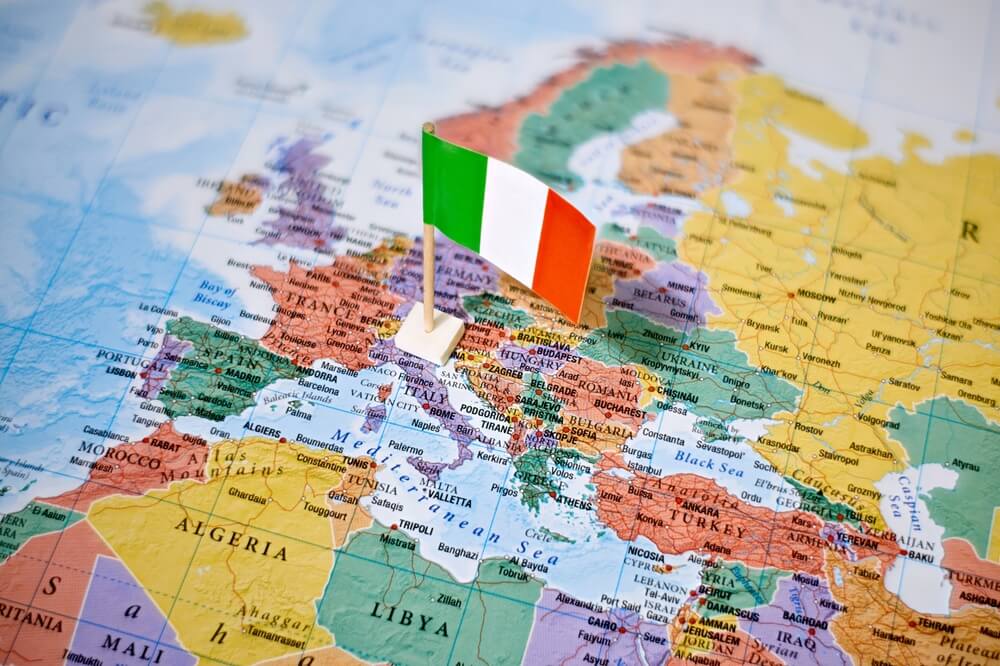
Italy is in southern Europe and is renowned for its rich history, stunning landscapes, breathtaking art and architecture, and world-class cuisine. The country is divided into 20 different regions, from Trentino-Alto Adige in the north down to Calabria and the island of Sicily in the south.
Surrounded by the Mediterranean Sea, it offers luxury holidaymakers a diverse blend of rolling countryside and cultural treasures, from the Colosseum in Rome to the canals of Venice and the Duomo in Florence, along with plenty of coastal charm and picturesque villages.
It is the perfect destination for those seeking a luxury holiday with plenty of relaxation and unforgettable experiences.
Italy Travel Guides
Our series of Italy travel guides will help you plan where you want to go on your next holiday to Italy. Whether you’re in search of a week on an Italian beach, two weeks in the countryside, or just a weekend break in an Italian city, we’re here to help you plan your next luxury holiday in Italy.
Getting to Italy for Your Luxury Holiday
Italy is easy to reach by public transport or car. It is a competitive route, so travel costs don’t need to break the bank.
You can easily research prices for travel by air, train, or bus on Omio, a really helpful travel website aimed at simplifying the journey-planning process. Just enter your dates and departure and arrival destinations, and it will let you compare different flight, bus, and train routes, as well as book tickets. You can then download these to a handy app to keep everything in one place, with customer support in 12 languages if you need it.
How to Get to Italy by Plane
Italy’s busiest airports in terms of passenger numbers are Rome, Milan Malpensa and Milan Linate, Bergamo, Venice, Catania and Naples. However, there are also a number of other smaller airports, including Bologna, Pisa, Bari, Verona, Florence and Ancona.
How to Get to Italy by Train
If you are already in Europe, travelling to Italy by train is another option. Italy is one of the most rail-friendly countries in the world. Several of Italy’s most scenic train journeys cross its borders into countries in the north; the route through the Brenner Pass links Munich with Venice, while there are also fast train services between Milan, Turin, and Paris, and an overnight train between Vienna and Rome.
Trainline is a useful site for planning train journeys within Europe, a one-stop shop for your train travel requirements. Their booking platform is easy to use and allows you to book in your preferred language and currency, with high levels of customer care before, during and after your journey.
How to Get to Italy by Car
There are three main points of entry into Italy by car: the Mont Blanc Tunnel from France, the Grand Saint Bernard Tunnel from Switzerland, and the Brenner Pass from Austria.
Once across the border, Italy has a good road network. If you’re looking to get from A to B quickly, it’s worth using the Italian Autostrada. These are fast roads, but you do have to pay to use them. Toll booths will either require immediate payment or ask you to take a ticket, in which case you’ll pay when you exit the motorway, by card or cash. Just make sure you choose the correct lane: Telepass or biglietto. Telepass is a device that automatically deducts the toll from your bank account; you likely won’t have one, so opt to take a ticket (biglietto).
The main north-south link road through Tuscany is the Autostrada del Sole, which runs from Milan all the way down to Reggio Calabria. The A1 links Florence to Bologna in the north and to Arezzo and Rome in the south, with a fast road leaving the A1 at Firenze Certosa connecting Tuscany’s capital to Siena. The A11 connects Florence to Prato, Pistoia and Lucca before joining the A12, which heads along Tuscany’s coastline to Genoa. You can check real-time traffic information and journey times using the Italian autostrade network here.
How to Get to Italy by Boat
With only a land border in the north, Italy is surrounded by sea, so arriving by boat is also an option. With 7,900 km of coastline, its ports welcome over 60 million cruise and ferry passengers each year.
Ferries travel from neighbouring countries such as France, Spain, Greece, the Ionian Islands, Albania and Croatia, with companies including Corsica Ferries, Moby Lines, Grimaldi Lines, Medmar and Grandi Navi Veloci. From France, ferries arrive in Genoa, Livorno, Piombino and Savona. From Spain, you can sail from Barcelona to Genoa and Civitavecchia. From Greece, boats arrive in Bari, Ancona and Brindisi, and ferries from Croatia also land in Bari and Ancona.
There are also ferries within Italy connecting one region to another, for example, from mainland Italy to Sicily and Sardinia. To book tickets on many of the main ferry and boat routes, head to Ferryhopper.
How to Get to Italy by Bus
For those on a budget, consider travelling to Italy by bus. The main companies offering international and national routes are FlixBus (which covers 1,200 destinations in 26 countries), MarinoBus, Baltour, Marozzi, and Cliento. The most popular international routes include those from Barcelona, Berlin and Nice to Rome, and from Munich, Vienna and Prague to Milan.

Getting Around Italy During Your Luxury Villa Holiday
Once you arrive in Italy, you have a few options for getting around during your luxury villa holiday. We usually recommend hiring a car; even if you don’t use it every day, it gives you more freedom and lets you explore parts of the country that may be hard to reach by public transport. That said, it’s good to understand all the options open to you, and our advice also differs depending on where your chosen luxury villa rental in Italy is located.
Getting Around Italy By Train
Italy’s main train operators are the state-run Trenitalia and the privately owned Italo, both offering super-efficient high-speed links between major cities.
Trenitalia’s trains fall into three categories – Alta Velocità (AV), Intercity (IC) and Regionale – reaching speeds of up to 300, 250 and 200 km/h respectively. The AV or high-speed trains are the most expensive but offer very comfortable seating, which must be reserved in advance, across sub-categories including the Frecciarossa, Frecciargento and Frecciabianca, with standard, premium, business and executive classes and, on Frecciarossa trains, an on-board café. The Intercity (IC) trains are still fast and operate between major cities; if travelling to or from Tuscany, the overnight Intercity Notte service runs between the north and south, though with more limited on-board food. Regionale services are the cheaper, slower trains that stop at most stations – a good option for reaching Tuscany’s smaller towns and villages, or simply for enjoying the scenery if you’re not in a hurry.
Train travel in Italy is no different to anywhere else in the world: the sooner you book, the cheaper your fare. You can book directly with the train operator, but because more than one operator may run a given route, a better option is Trainline, which shows all available ticket options from every provider and recognises both English and Italian station names.
Getting Around Italy By Car
If you are hiring a car in Italy, book as early as possible, as rental rates only seem to get more expensive as the holiday approaches. Bookings For You recommend Auto Europe, who offer free cancellation should your plans change.
If you’re flying into Italy and renting a car from the airport, we recommend choosing one of the rental car agents listed on-site. You’ll usually need to be at least 21 years old to rent a car in Italy (with a young driver’s surcharge if you’re under 25), and you’ll need to provide a credit card on arrival.
Most cars are manual, so specify in advance if you want an automatic. We recommend hiring a small car rather than a larger vehicle, as many of Italy’s streets are narrow. If touring around Italy, you can pick up and drop off your vehicle in different locations, though you’ll typically find rental options more limited, with a possible one-way surcharge.
Getting Around Italy By Bus
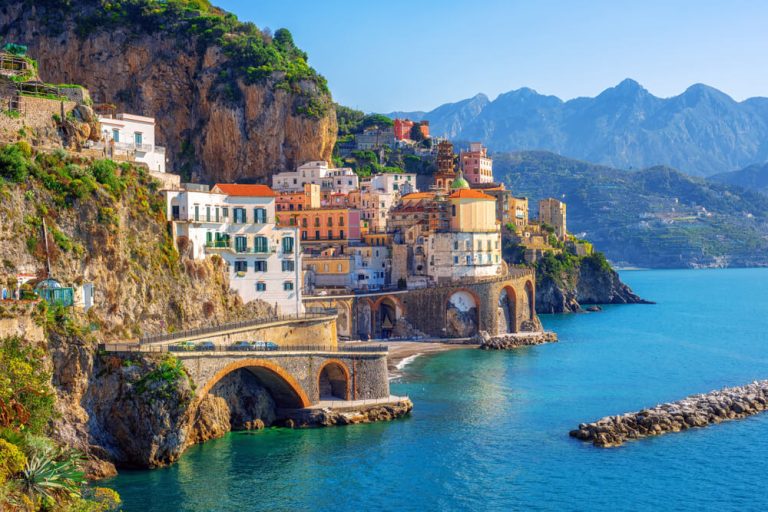
Buses are a convenient and affordable way to travel around Italy during your luxury villa holiday. They’re particularly useful when exploring major cities or getting to and from smaller towns and villages that aren’t easily accessible by train, and can offer a pretty impressive sightseeing experience too. For anyone visiting the Amalfi Coast, we’d never recommend driving yourself along that clifftop coastline, so take the bus and keep your eyes on the views, not the traffic.
There are a few different types of bus service: intercity buses connecting major towns and cities, regional and local buses within specific areas, airport shuttle buses, and tour buses offering guided sightseeing. With well over 100 different bus companies operating in Italy, though, working out timetables and routes can be confusing, and online information is generally limited and not particularly user-friendly, with fewer services at weekends and on public holidays. If you’re already in Italy, it may be worth visiting the bus station in person to check timetables and book tickets. Alternatively, you can now buy bus tickets online at Trainline; these typically go on sale about three months before the travel date, so booking early will help you get the cheapest fares.
Getting Around Italy by Boat
Ferries connect regions within Italy, for example, from mainland Italy to Sicily and Sardinia. To book tickets on many of the main ferry and boat routes, head to Ferryhopper. For the most popular boat routes, which run only during high season (for example, boats from Amalfi to Capri, Sorrento to Ischia, or Ischia to Positano), we recommend booking as early as possible to avoid disappointment.
If you are visiting the Italian Lakes, boat timetables for Lake Como, Lake Garda, and Lake Maggiore are available on the Navigazione Laghi website, and you don’t need to book tickets in advance. If you are visiting Venice, it’s worth considering a Venice waterbus and mainland bus pass, valid for Venice, Venice Lido, Murano, Burano and the Torcello Islands as well as the bus in Mestre and Marghera, with 1, 2, 3 and 7-day options.
Italian regions you might be interested in for a luxury holiday

Things to Do in Italy During a Luxury Holiday
With approximately 65 million tourists visiting in 2024, Italy was the 5th most visited country in the world. Over the past decade the country has consistently been in the top 5 most visited countries. And perhaps it’s not surprising that we have so many clients choosing to holiday in an Italy villa when you consider all the things to do in Italy.
Experience the Art and Architecture
The history of Italy is extremely long, stretching back to prehistory and the Copper Age, but its most famous periods are probably the Roman era and the Renaissance – a movement that began in Florence in the fourteenth century before spreading to Siena, down to Rome, and as far north as Milan and Venice.
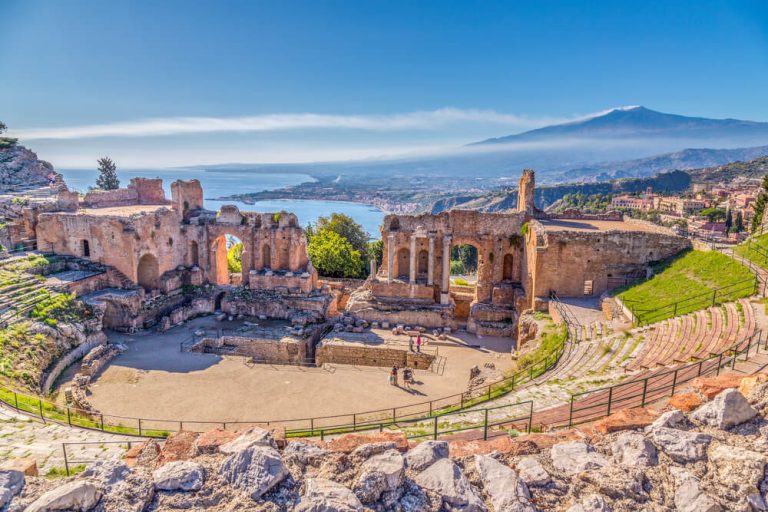
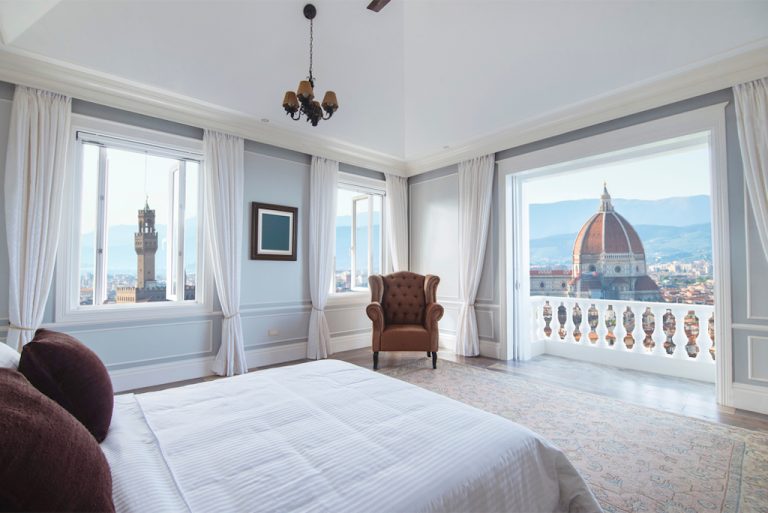
The wonderful thing is that so much of this history has been preserved. From the Colosseum and Pantheon in Rome to the Ponte Vecchio, Palazzo Vecchio and Duomo in Florence, an incredible amount of Italian history is still wonderfully intact for all to see and admire. Much of it is retained in Italy’s buildings too, from the Duomo of Milan to the Leaning Tower of Pisa and the Valley of the Temples in Sicily – the list of historic sites and beautiful buildings in Italy is endless.
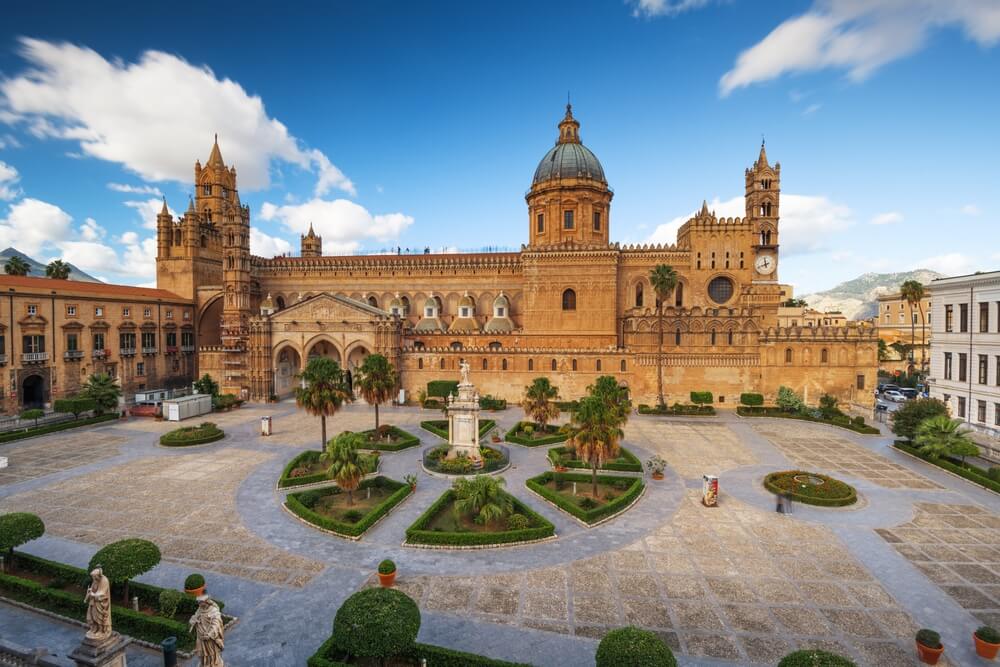
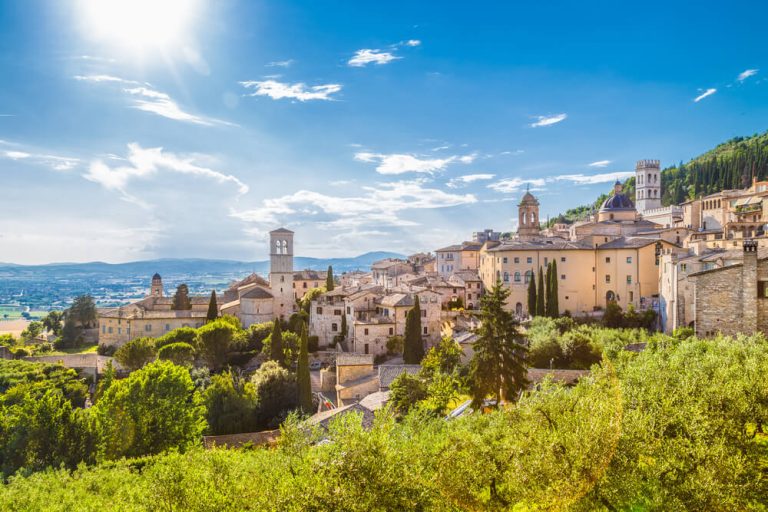
Italy’s rich history is also captured in its art. From Botticelli’s ‘Birth of Venus’ in the Uffizi in Florence to Leonardo’s ‘The Last Supper’ in Milan, gallery after gallery displays works by the world’s most famous artists, while the Sistine Chapel in Vatican City and Michelangelo’s ‘David’ in the Galleria dell’Accademia round out an incredible array of world-famous art. You don’t have to visit the big national galleries to see it, either – the smallest hilltop village in Umbria can be home to a church housing works by renowned Renaissance artists. Head to the local church in the village where you’re staying on your Italy villa holiday, and you may come across breathtaking frescoes, artworks and sculptures.
Discover the Vineyards and wineries
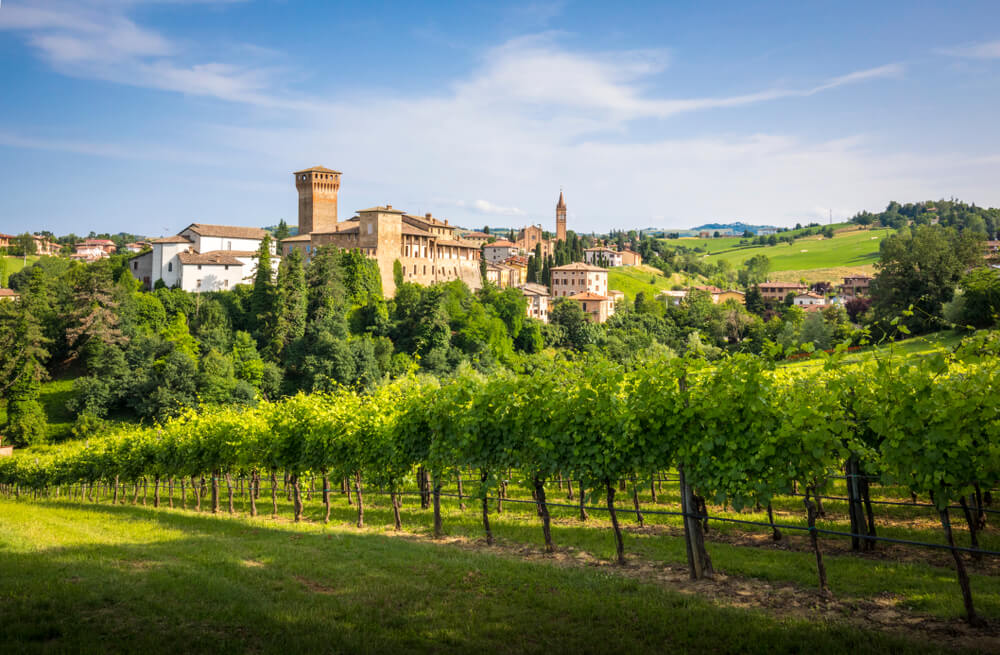
Italy is one of the world’s oldest wine producers, with vine-growing traditions stretching back even before the Phoenicians, Etruscans and Greeks who settled here, and well beyond the Romans, though we do have them to thank for the increase in viticulture.
Today, Italy is the biggest wine producer in the world, with over 1.7 million acres under vineyard cultivation across every region. Some of the biggest wine regions include Veneto, Puglia, Tuscany and Piedmont. Much of the wine is exported, but Italians like a tipple too, consuming an average of 42 litres per head per year. Cin cin!
Exploring the Italian countryside
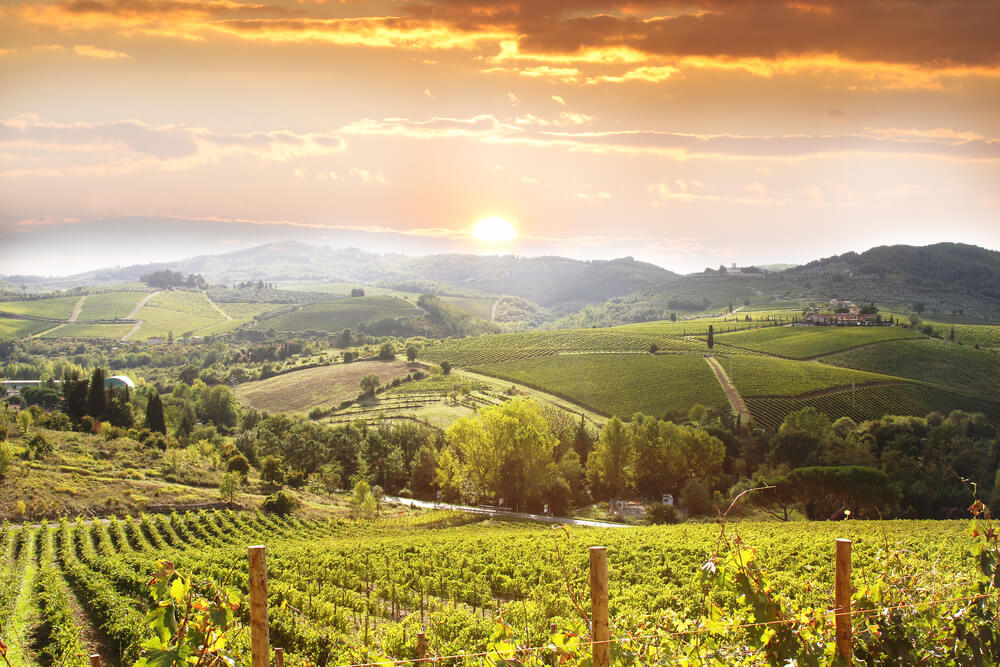
Equally, no visit to Italy would be complete without exploring its breathtaking countryside. Whilst Italian towns and cities have so much to offer, holidaymakers can’t fully appreciate Italy’s beauty until they’ve driven along its rural roads and visited some of its smaller towns and villages.
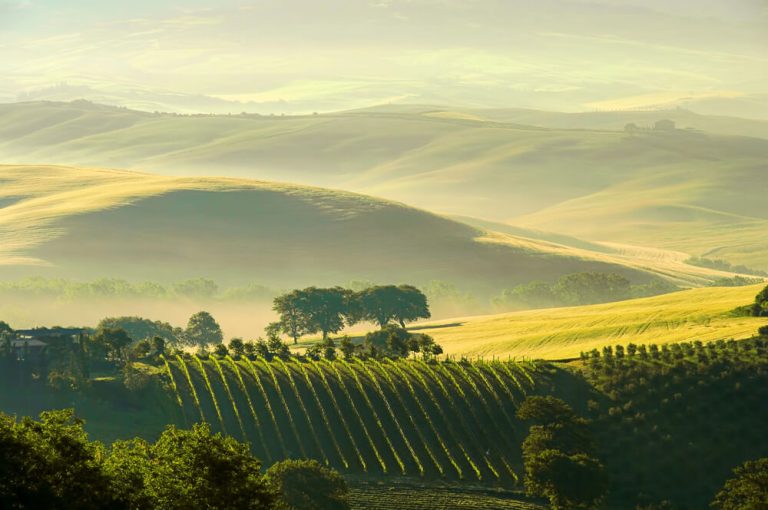
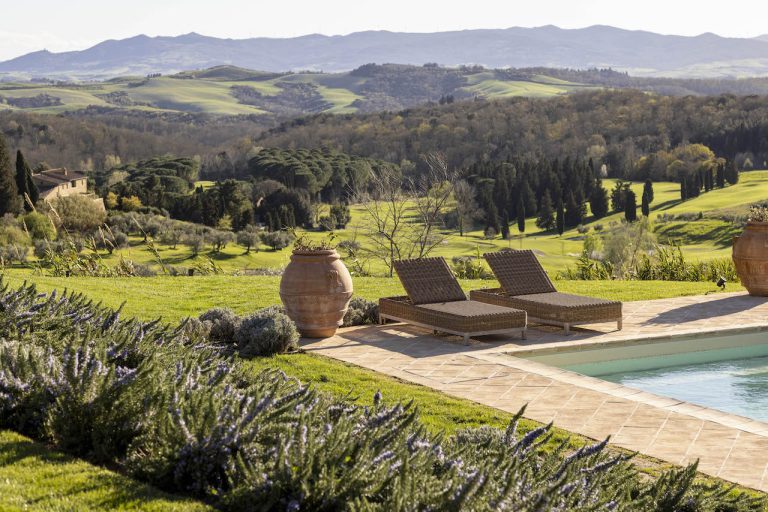
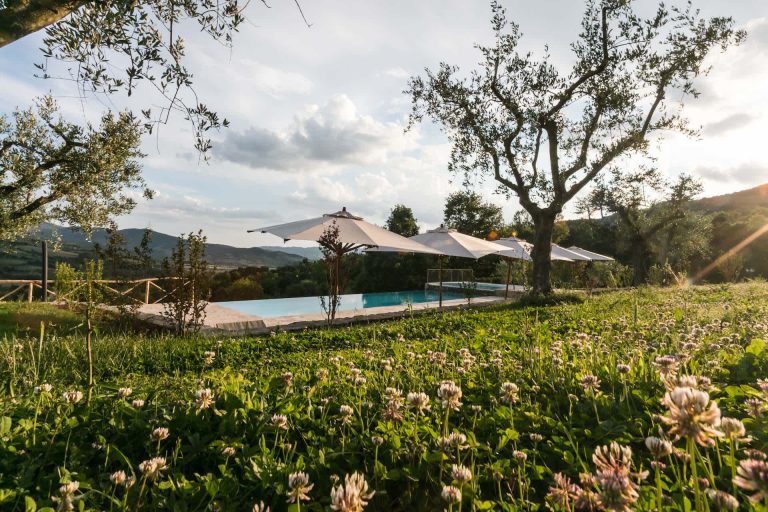
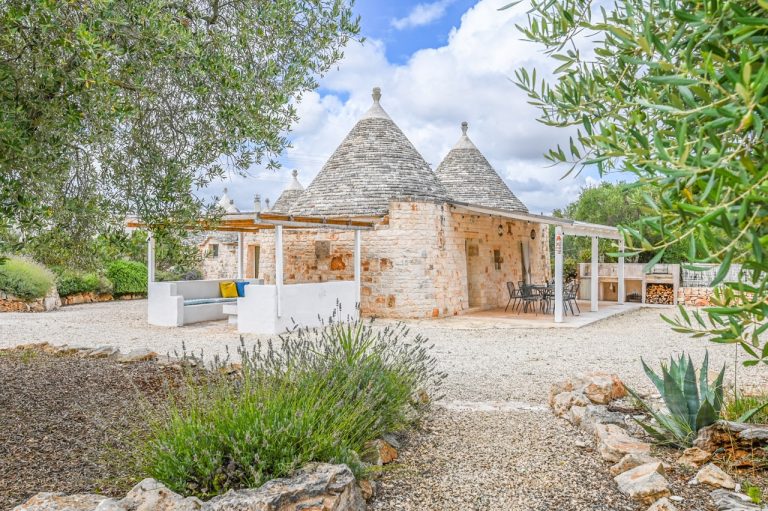
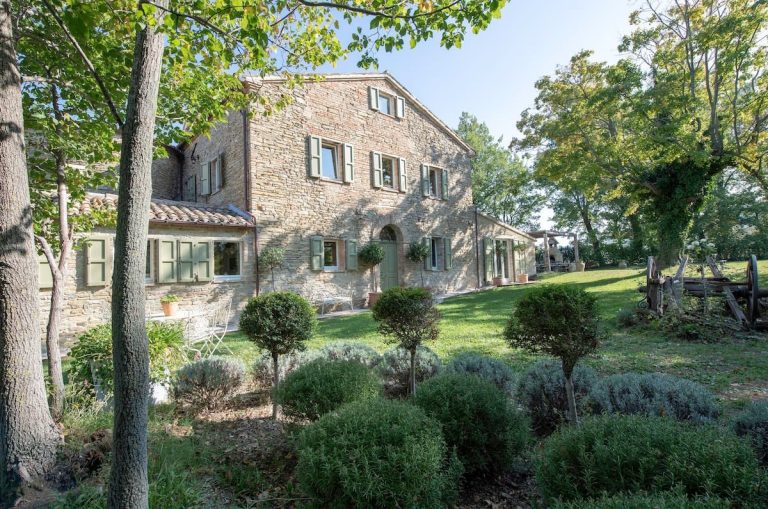
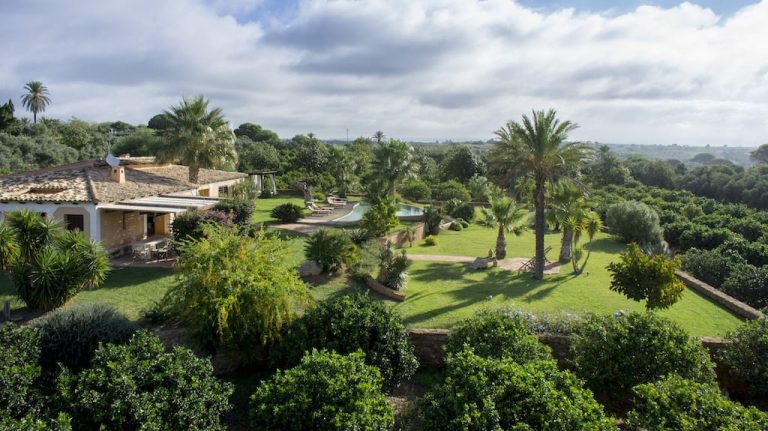
Italy is incredibly varied when it comes to its rural tapestry. In the north there are the mountainous regions of the Dolomites and the Alps. As you move south, the land gives way to the gently rolling hills of Italy’s central belt – its ‘green heart’ in Umbria and the vineyards of Tuscany. Head south again and you’ll reach the lemon groves of the Amalfi Coast, before reaching the olive groves of Puglia in Italy’s heel. Each region has a unique character, but each is as stunning as the next.
Indulge in the Italian Food
Italian food needs no introduction. The home of pizza and pasta, Italy is synonymous with good food. While the UK has only more recently started appreciating ‘zero-mile’ food, Italians have never veered from this approach. Italian food isn’t usually complicated – in fact, it can be remarkably simple, but the quality of the ingredients is second to none, so it always tastes incredible. Italians also love and appreciate what they eat, where it’s from and how it was made, so they take their time to enjoy it. There’s no rushing at the meal table; instead, it’s a slow affair that lets them enjoy the company of those they’re dining with.
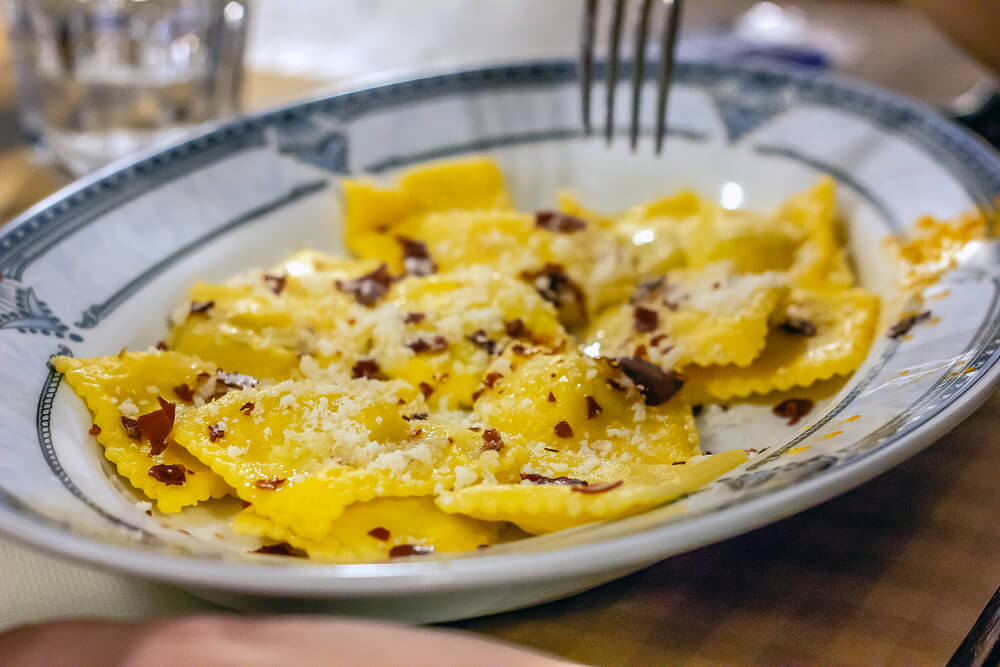
Each region has its own culinary specialities, handed down through the generations. The north is known for warm, hearty dishes like polenta, risotto and Osso Buco, as well as its cheeses and cured meats. Central Italy offers classic pasta dishes such as Cacio e Pepe and Carbonara, among other regional favourites, while the south mixes pasta, seafood and vegetables – try the Orecchiette in Puglia and the Arancini in Sicily.
Visit the Italian Beaches
With over 4,700 miles of coastline, Italy has a plethora of beautiful beaches to enjoy, each region offering its own unique charm and appeal.
If you’re seeking white sand and Caribbean-like seas, head to Sardinia, where the beaches are among the most beautiful in Europe. If you’re after small rocky coves in dramatic settings, opt for the Amalfi Coast or the Cinque Terre in Liguria. Or, for a chic, upmarket resort, head to the beach resorts of northern Tuscany, such as Forte dei Marmi.
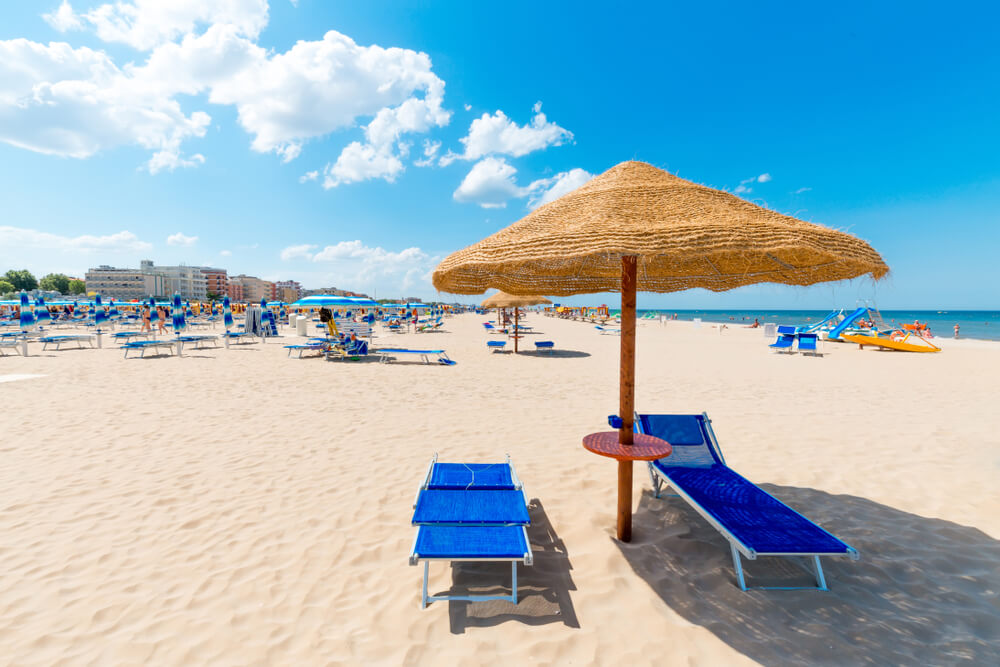
Some of the most striking beaches include the Scala dei Turchi in Sicily, the Cala Goloritzé in Sardinia and Marasusa in Calabria; some of the most picturesque are Chiaia di Luna on the island of Ponza and the Cala di Volpe in Sardinia. Also in Sardinia, La Pelosa is one of our favourites for a dip in the sea. One beach in Puglia has even earned the nickname ‘the Maldives of Italy’ thanks to its long stretches of pale white sand.
You’ll find Italy’s beaches busiest in July and August, when temperatures and visitor numbers both peak. Public beaches are free to use, though many are managed by private beach clubs (lidos), which charge for sun loungers, parasols, showers and WCs, and sometimes bars and cafes too. Be aware that some of Italy’s most enchanting beaches and coves can only be accessed by boat.
The Best Time to Visit Italy for a Luxury Holiday
Weather-wise, there’s no reason you can’t visit Italy at any time of year for a luxury villa holiday. Most of Italy has a Mediterranean climate, and its relative mildness year-round means it can genuinely be visited “off-season”. Don’t forget that Italy is also home to a number of ski resorts, making it a great winter destination if you enjoy snow sports.
Temperatures are hottest in the south. Opt for a luxury villa in Puglia or Calabria, and you can expect over 300 days of sunshine a year, with peak summer temperatures in July and August often surpassing 30°C. The main towns and cities can become almost stiflingly hot, turning quiet and sleepy during the day before coming alive again at night; the coast, however, stays much fresher, with miles of golden sand and beautiful beaches, heaven for sun worshippers.
Further north, in the central belt, Lazio, Tuscany and Umbria enjoy a relatively mild climate year-round, though temperatures and visitor numbers still peak in summer, when the cities can feel stifling, you’ll find it cooler and more refreshing in the hills and on the coast. In the north, opt for a luxury holiday villa in the Italian Lakes, and you shouldn’t see the humidity found further south; even here, the climate stays mild all year, evidenced by the tropical plants found in the ornate lakeside gardens.
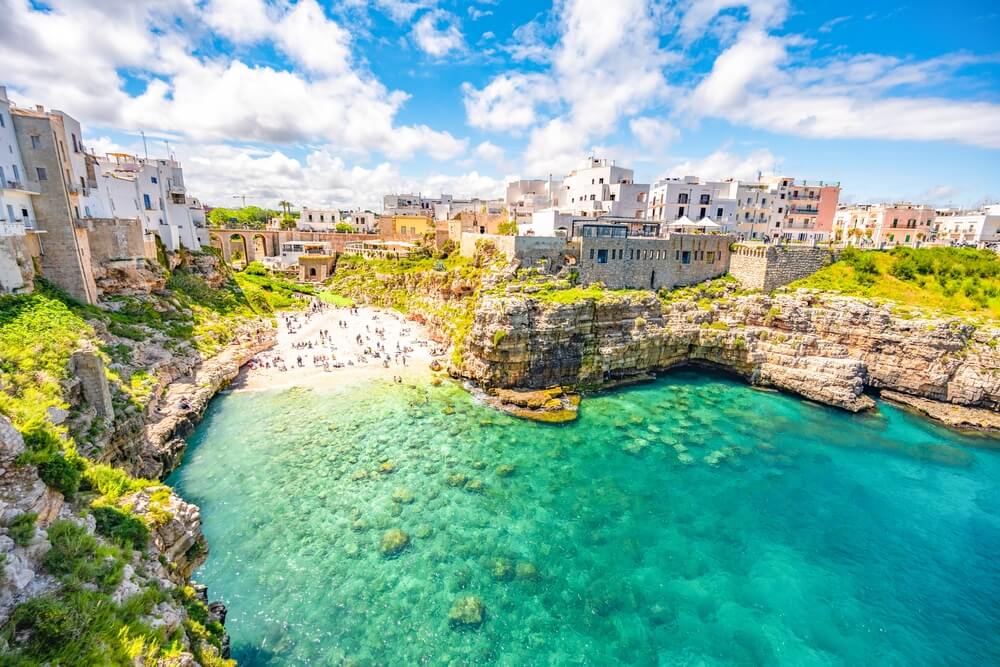
Because of its popularity, Italy’s main tourist centres get busy in the summer months. Its cities are much quieter and cooler in autumn, winter, and spring, making sightseeing far more pleasant, so we recommend visiting Rome, Florence, Venice, or Siena out of season to avoid both the museum queues and the crowds. Italy also enjoys many festivals across autumn and spring, a great time to visit if you want to soak up local culture, while heading to Puglia in October or November can still bring low-twenties temperatures and beach weather.
That said, don’t let the crowds put you off travelling in peak summer. July and August are Italy’s busiest months, when many Europeans visit and Italians themselves head to the cooler lakes or coast. Every year on 15th August, Italy celebrates Ferragosto, perhaps the most eagerly anticipated day of the Italian summer calendar, a national public holiday marked with parties, feasts and spectacular fireworks.
How many days do you need in Italy for a luxury holiday
At Bookings For You, we’ll happily help create a bespoke itinerary for your luxury holiday in Italy. After all, an itinerary will vary depending on the location of your luxury villa and whether this is your first visit or whether you’re a returning seasoned holidaymaker. Here’s a breakdown of what an itinerary could look like depending on the length of your luxury villa holiday in Italy.
3 Days in Italy
- Best approach: Focus on a single city to maximise time and avoid rushed travel.
- Top destinations: Venice (canals), Florence (art/museums), Ravenna (history), Matera (sassi), Rome (ancient history), Milan (culture), or food capitals like Palermo, Parma, and Bologna.
- Tip: Add optional local day trips if you want to explore beyond the city centre.
7 Days in Italy
- Best approach: Choose a single region and base yourself at one property (e.g., a luxury holiday villa in Italy) rather than attempting a multi-city whistle-stop tour.
- Recommended regions: Tuscany, Italian Lakes, Puglia, Umbria, or Emilia Romagna.
- Sample Tuscany week: Base near San Gimignano for local exploring, day trips to Florence and Siena, Chianti wine tasting or cooking classes, a day on the Tuscan coast, and relaxing by your private pool at your luxury holiday villa.
14 Days in Italy
- Best approach: Split your time across two distinct regions to experience contrasting landscapes and cultures.
- Popular pairings:
- Italian Lakes and Tuscany: 4-hour drive or high-speed train connection.
- Italian Lakes and Puglia: Fly directly from Milan to Bari.
- Amalfi Coast and Sicily: Travel via an overnight ferry from Naples to Catania.
1 Month in Italy
- Week 1 (Italian Lakes): Stay on Lake Maggiore for great value and easy day trips to Lake Como and Lake Orta.
- Week 2 (Tuscany and Coast): Base in rural Tuscany to explore Florence, Siena, and Pisa, with a day trip or overnight stay along the Cinque Terre coastal paths.
- Week 3 (Central/Southern Italy and Rome): Choose between authentic stays in Umbria/Le Marche, or a chic Amalfi Coast escape combined with Pompeii. Include a 2-night city break in Rome.
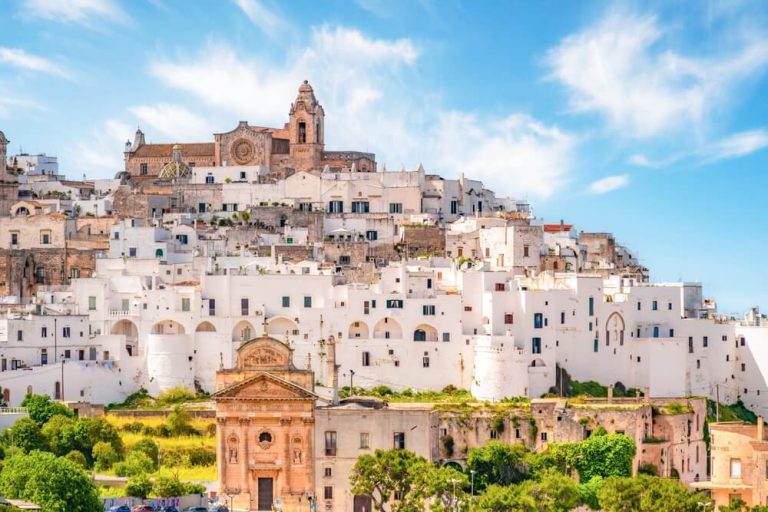
- Week 4 (Puglia, Basilicata and Sicily): Stay in central Puglia (Valle d’Itria near Ostuni or Alberobello), take a day trip to Matera in Basilicata, and conclude with a short trip across to Sicily.
Italy holidays for...
At Bookings For You, we’ll happily advise you on the best location for your Italy villa holiday. Whilst we would argue that there is no bad region of Italy, different places will appeal more to some than others. Let us know what your interests are and we’ll let you know which regions we think you’ll enjoy most.
For Couples
A city break in Italy can be a great option for couples. Opt for a stay in Florence, Rome or Venice or instead choose one of the smaller towns and cities such as Verona, Siena or Matera.
Alternatively, if you’re looking for a romantic break in Italy, consider the picturesque Chianti countryside in Tuscany. Or opt instead for the beautiful backdrop of the Amalfi Coast’s picturesque clifftop villages, the idyllic beaches of Puglia or the sparkling waters of the Italian Lakes.
For Families
We recommend renting a villa with pool in Italy if you’re holidaying with children. Whilst there is so much to see and do in Italy, they will thank you for time spent relaxing poolside!
If travelling with young children, we’re firm believers that if the kids are happy then the parents will be too! As a result, make sure you pick an Italian destination where there is plenty for them to enjoy.
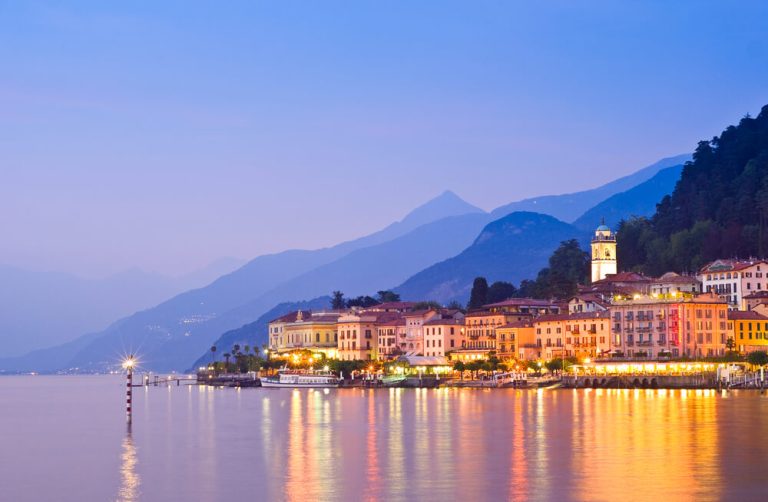
We think the Italian Lakes has much to offer families. However, whereas Lake Como and Lake Orta are arguably better suited to couples or an older generation interested in historic homes and gardens, Lake Maggiore has a wealth of things to interest younger ones too. These include the array of water sports, the lakeside lidos, the animal and adventure parks and more.
Or, if your children love spending time on the beach, you may want to consider a villa in Puglia. The beaches here are terrific. Whilst Tuscany can also boast some incredible coastline, we have tended to find that more of Tuscany’s beaches have been taken over by beach clubs where you need to pay for access, something that doesn’t always work as well for families with young children.
In reality though, there is no ‘bad’ area of Italy for families. In Italy, family is paramount. Strong family ties are important and Italians love children and babies unashamedly. Italy is an extremely welcoming destination, full of family-friendly activities that will keep the whole family entertained.
Wherever you opt to stay on your next Italian villa holiday, Bookings For You will be happy to provide you with an itinerary of days out that everyone can enjoy.
Solo Travellers
If travelling solo, we recommend choosing a location with good public transport links. Whilst driving in Italy is easy for the most part, it can definitely be stressful if travelling on your own. Instead, we think it’s much more relaxing to go by train. Choose a location with excellent train links and easily accessible train stations.
Alternatively, if you’re looking to meet others during your travels, a city break in Italy can be a great option. Staying in a larger town or city can make it easier to connect with fellow travellers and experience the city’s culture as part of a larger group.
For Groups
We think that renting a large villa in Italy in the heart of the countryside is a great option for groups. You’ll be able to enjoy the privacy and space that a self-catering villa offers and won’t need to worry about disturbing the neighbours!


Ready to start planning your luxury villa holiday to Italy?
Now you know when to go, how long to stay and how to get there and around Italy during your luxury villa holiday. But a true luxury holiday is defined by where you rest your head at the end of the day.
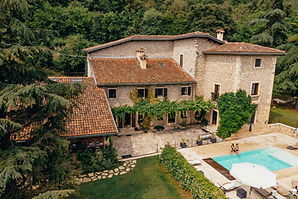
Picture mornings spent sipping espresso on a sun-drenched terrace, afternoons lounging poolside against panoramic mountain or coastal backdrops, and evenings cooked for by a private chef in your own Italian courtyard.
Take a look through our portfolio of luxury villas in Italy to find your perfect base for your holiday. If you’d like expert assistance, contact us to let our team help you plan your next luxury holiday experience.