


Florence
Travel Guide
Everything you need to know
Where is Florence
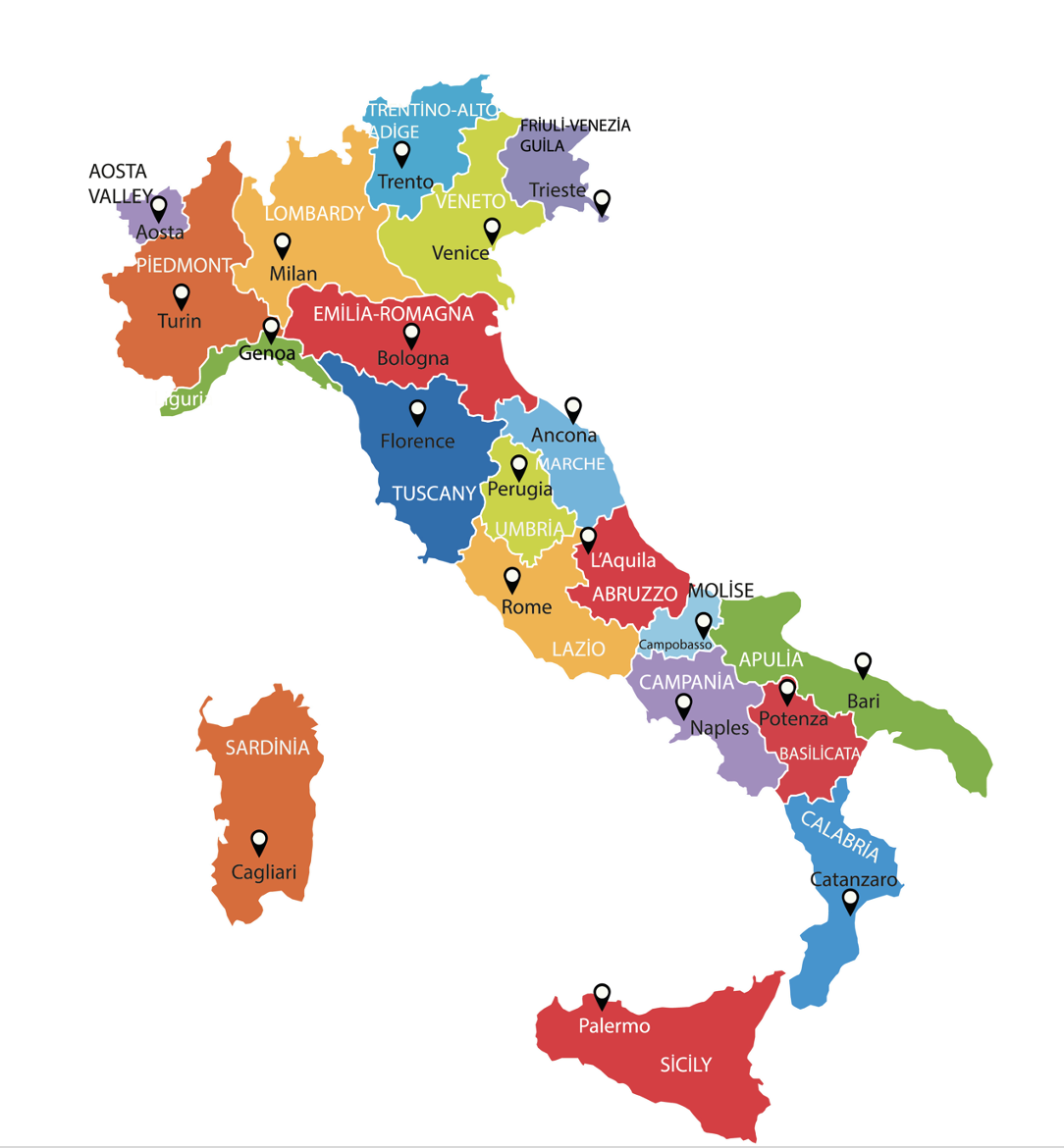
Florence is the capital city of Tuscany, a region in central Italy located roughly halfway between Rome and Milan. The city sits inland along the river Arno, surrounded by rolling hills, vineyards and olive groves that define the classic Tuscan landscape. Florence is about 230 kilometres north of Rome and 300 kilometres south of Milan, making it easily accessible from Italy’s major cities by train or car.
Florence is divided into five main administrative districts, known as quartieri. Each has its own distinct character and atmosphere. The Historic Centre (Quartiere 1) is the cultural and touristic heart of the city; The Campo di Marte district (Quartiere 2) lies to the northeast; The Gavinana–Galluzzo district (Quartiere 3) stretches to the south and includes both suburban neighbourhoods and scenic hillside areas; The Isolotto–Legnaia district (Quartiere 4) is located southwest of the city centre and finally, the Rifredi district (Quartiere 5) is located to the northwest and is home to Florence’s main university campus, hospitals and the Careggi area. However, as a tourist in Florence you will more likely only explore the centre of the city which is divided into these neighbourhoods: Centro Storico, Santa Maria Novella, Sante Croce, Oltrarno and St Marco.
How to get there
Florence is very easy to reach either using public transport or by car. It is a very competitive route meaning that travel costs don’t need to break the bank either.
By Plane
Florence’s main airport is Florence Airport (FLR), located just a few kilometres from the city centre. You will see this referred to as Aeroporto di Firenze Peretola or Amerigo Vespucci Airport.
There are regular direct flights from several European hubs such as London, Paris, Amsterdam, Frankfurt and Barcelona, with airlines including ITA Airways, Vueling, Lufthansa and British Airways.
If you’re travelling from further afield, you may need to connect via a larger international hub. Many long haul visitors choose to fly into Rome Fiumicino (FCO) or Milan Malpensa (MXP) and then either take a connecting flight or continue to Florence by train. The flight time from Rome to Florence is just under an hour, but travelling by train is often faster and more convenient overall. For the most up to date flight information, visit the Florence Airport website.
The transfer from the airport into the city centre takes about 15 minutes. There is a tram service but if you’re travelling with luggage you may prefer to book a Florence private airport transfer in advance.
Another popular option is to fly into Pisa International Airport (PSA), which is served by a wide range of budget airlines. From Pisa, Florence can be reached by train in around 1 hour. This is often a better option for those travelling to Florence from the UK.
By Train
Italy is one of the most rail friendly countries in Europe, and Florence is exceptionally well connected by train. The city’s main station, Firenze Santa Maria Novella, sits right in the historic centre, making arrival quick and convenient.
High speed trains connect Florence to Rome in around 1 hour 30 minutes, Milan in under 2 hours and Venice in just over 2 hours away. The journey from Naples takes around 3 hours. Trains are fast, comfortable and frequent, making rail travel one of the best ways to reach the city.
Florence is also well connected to the rest of Europe. Travellers from the UK can take the Eurostar from London to Paris, then continue via high-speed rail through Milan to Florence. The full journey takes around 14 -16 hours and many people choose to break it up with an overnight stop.
You can check train times, compare prices and book tickets via Trainline or Trenitalia.
By Car
If you’re arriving in Florence by car, the city is easily accessible via Italy’s Autostrada motorway network. From the north, take the A1 (Autostrada del Sole) from Bologna, while travellers coming from Rome will also use the A1 heading north. Journey times are around 3 hours from Milan and 2.5 hours from Rome, depending on traffic.
Italy’s road network is generally efficient, but do be aware that Florence’s historic centre is protected by a Zona a Traffico Limitato (ZTL). Non-resident vehicles are not allowed to enter these restricted areas and fines can be issued automatically via camera enforcement. If you are staying in central Florence, check with your accommodation in advance to see whether temporary access can be arranged but do prepare for this not to be the case. Either way, we don’t recommend having a car in Florence – the city is easily walkable and rush out in the city is stressful if you’re behind the wheel.
Tolls are commonplace on Italian motorways. You’ll either take a ticket when entering and pay when exiting, or pay immediately at toll booths. Payments can usually be made by credit card or cash, but be aware that cash is being phased out in some places. For route planning and toll information, visit the official Autostrade per l’Italia website.
By Bus
Long distance bus travel to Florence is also a cost effective option, particularly from major Italian cities. FlixBus operates regular routes from Rome, Milan, Venice, Bologna and Naples, with journey times ranging from 2 to 5 hours depending on the route.
Florence’s main bus station is located close to the city centre and the train station, making onward travel straightforward. While buses are slower than high speed trains, they are often cheaper and a good option for budget conscious travellers.

How to get around Florence
Florence is a very walkable city and exploring the historic centre on foot is by far the best way to experience it. The old town covers an area of roughly five square kilometres, meaning most of the city’s major sights are within comfortable walking distance. Many central streets are also pedestrianised during the day, so walking is often the simplest and most enjoyable option.
That said, if you need to give your legs a break or want to venture beyond the centre, Florence offers a reliable public transport network. The tram system links the city centre with Florence Airport and several outlying neighbourhoods, making it a convenient choice for arrivals. It is also currently being expanded, with new lines (T3 and T4) expected to be operational by the end of 2026 and beyond. These new lines will connect the city centre with suburbs such as Bagno a Ripoli and Campi Bisenzio. Contactless payment is accepted onboard, adding to its ease of use.
Florence also has an extensive bus network operated by Autolinee Toscane, ideal for heading out of the centre of the city. Bus tickets in Florence are excellent value, typically costing around 2 euros and are valid for 90 minutes. One of the most popular excursions is to Piazzale Michelangelo, perched on a hillside with breathtaking views over the city. We think it’s especially magical at sunset, though it can get busy in high season. While it’s possible to walk up, many visitors opt for the number 12 bus from Piazza Ognissanti.
Another trip worth making is the number 7 bus from Santa Maria Novella station to Fiesole, a charming hilltop town just outside Florence. Known as one of the city’s most elegant suburbs, Fiesole is also home to impressive Etruscan and Roman archaeological remains and offers sweeping views across the Tuscan countryside.
The Best Neighbourhoods in Florence
Choosing the best neighborhood in Florence is no easy task. Each and every of Florence’s neighbourhoods have their own individual charm but it’s useful to have a run down of what to expect from each of the area of the city before you arrive.
Centro Storico
Best for iconic architecture
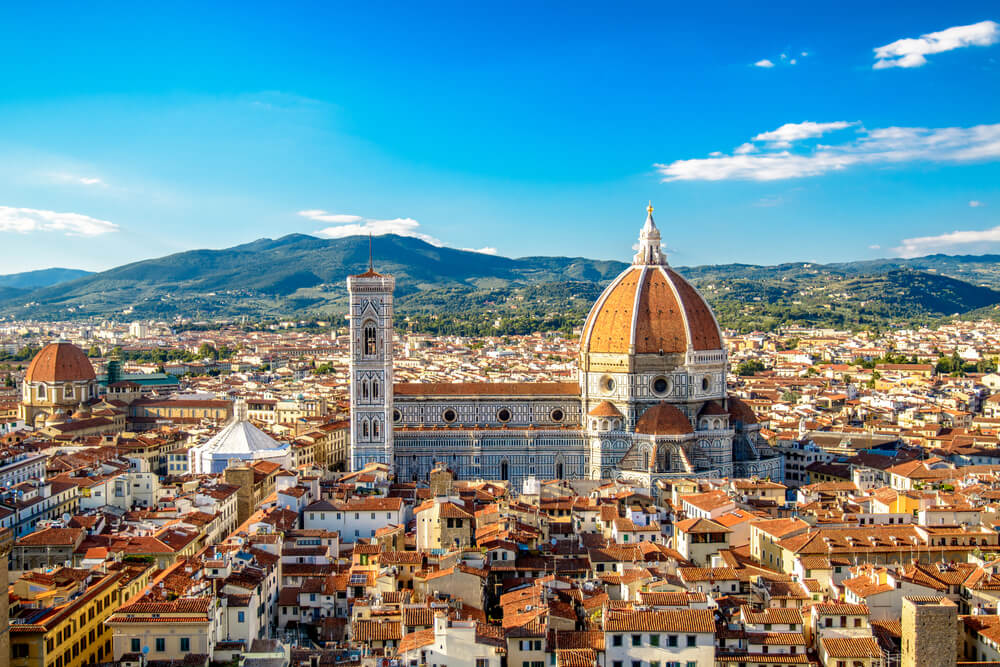
The Centro Storico (historic centre) is the cultural and architectural heart of Florence. Grand, dramatic and endlessly photogenic, this is Renaissance Florence at its finest. The streets are lively from morning to night, filled with visitors, street musicians and elegant boutiques. It’s busy pretty much all year round but if you enjoy being right in the heart of a city, then this is an excellent base. As with all of Italy’s historic centres, Florence’s historic centre is a hive of activity.
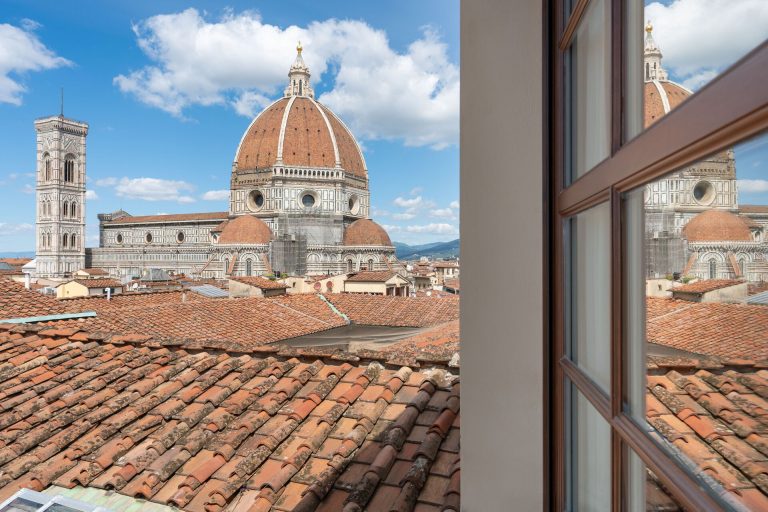
The neighbourhood is home to the magnificent Duomo (Cattedrale di Santa Maria del Fiore) with its vast terracotta dome engineered by Brunelleschi. This is probably Florence’s most iconic building with tourists flocking here in droves to get their Instagram moment in Florence. But don’t let this put you off. It is a magnificent building and you’ll soon see why so many people have Florence on their Italy bucket list. Our top tip is to book skip the line tickets to enter the Duomo itself and to opt for a ticket which includes access to Giotto’s Campanile bell tower. There are 414 steep steps to climb so it’s not for the unfit – but if you make it to the top you are rewarded with the most stunning 360 degree views of the city (including of the neighbouring Duomo) and beyond into the Tuscan countryside. Tickets also include entry to the Baptistery – often overlooked but equally stunning inside.
Just a short walk from the Piazza del Duomo, you’ll find the world renowned Uffizi Gallery, housing masterpieces by Botticelli, Michelangelo and Leonardo da Vinci. Again, this is a popular site so be sure to book skip the line tickets in advance to avoid spending half of your day in Florence in a queue! Get yours here.
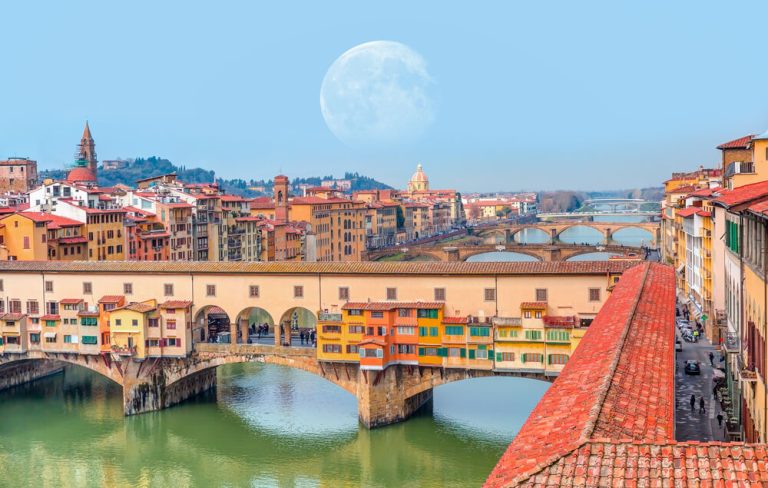
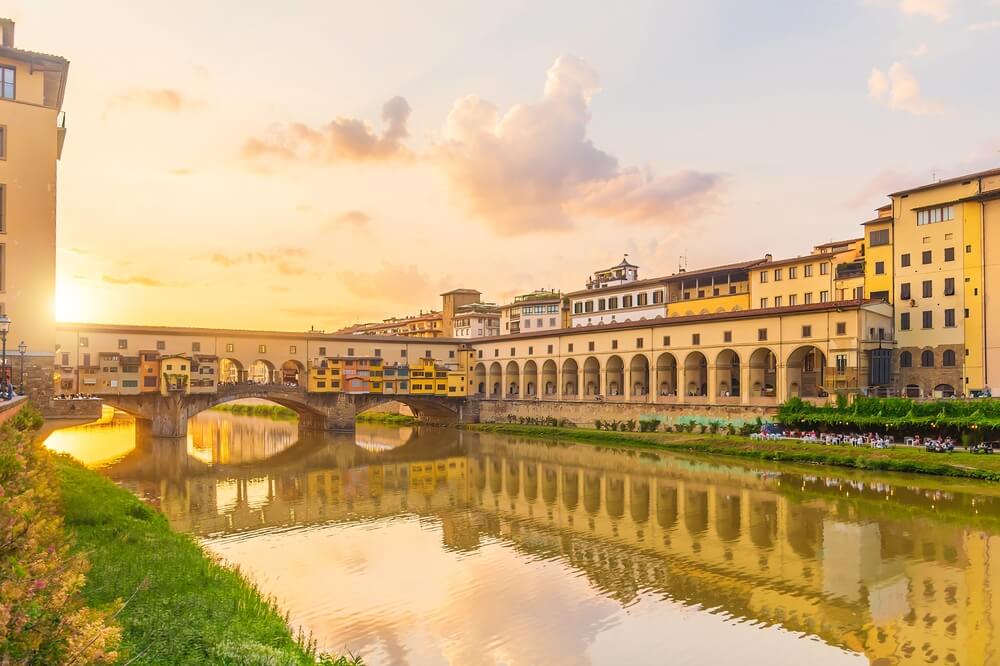
Other highlights include the medieval Palazzo Vecchio in Piazza della Signoria and the beautiful Ponte Vecchio. Lined with historic jewellery shops, the bridge oozes opulence and truly takes you on a journey back in time. It can become extremely busy during peak season so it’s definitely worth getting up early to avoid the crowds and enjoy the view up the river Arno.
Accommodation and dining recommendations
Florence is the perfect place for a city break in Italy. It’s compact enough to explore in a few days and while you can make a day trip here from your Tuscany villa, we recommend spending at least a night or two in the city itself. Florence’s Centro Storico has a reasonable selection of hotels to match most budgets but they can often feel a little soulless – churning tourists in and out on a daily basis.
Our recommendation is to opt for an apartment right in the centre of the old town. This will give you a more authentic Florentine experience but will not mean any compromise on luxury. Apartment Calma is a Bookings For You favourite. Just a few steps from the magnificent Duomo within the very heart of Florence, this exclusive luxury apartment sits within an elegant three-story building which has been recently renovated with care and attention to detail. The result is the perfect balance of historic charm and contemporary comfort. Larger groups will prefer Penthouse Pazzi. This luxury apartment in Florence has five spacious bedrooms and an equally enviable location less than a minutes walk to the Duomo. If you’re travelling with a group of friends it is also a surprisingly good value accommodation option in Centro Storico. Discover our full collection of Florence apartments here.
Dining in Florence is just as delicious as anywhere in Italy. However, as a tourist hot spot there are some places which may take advantage of this status and offer fare far below the usual standard in Italy. While it can be tempting to choose a restaurant in one of the main piazzas in Florence, very often the real gems are hidden down the city’s historic streets or in smaller, more intimate piazzas off the main tourist trail.
Tucked in the streets north of the Duomo, Regina Bistecca is the perfect place to sample Florence’s most famous dish – the Bistecca alla Fiorentina. This is a thick, T-boned steak seasoned with salt and pepper and grilled. Simple but delicious!
Also just a few minutes walk from the Duomo, you’ll find one of our favourite sandwich bars in Florence. Un Cafe Bistrot Spritz e Focacce is a tiny cafe with a huge heart. Oozing authentic Florentine charm, this little gem feeds locals just as much as tourists. The sandwiches are huge and excellent value and, of course, it’s also a great place to enjoy a spritz too. Inside there’s a cosy vibe with live music in the evenings. During the day, there are a few tables outside which look on to the piazza – the perfect spot for some people watching.
Santa Maria Novella
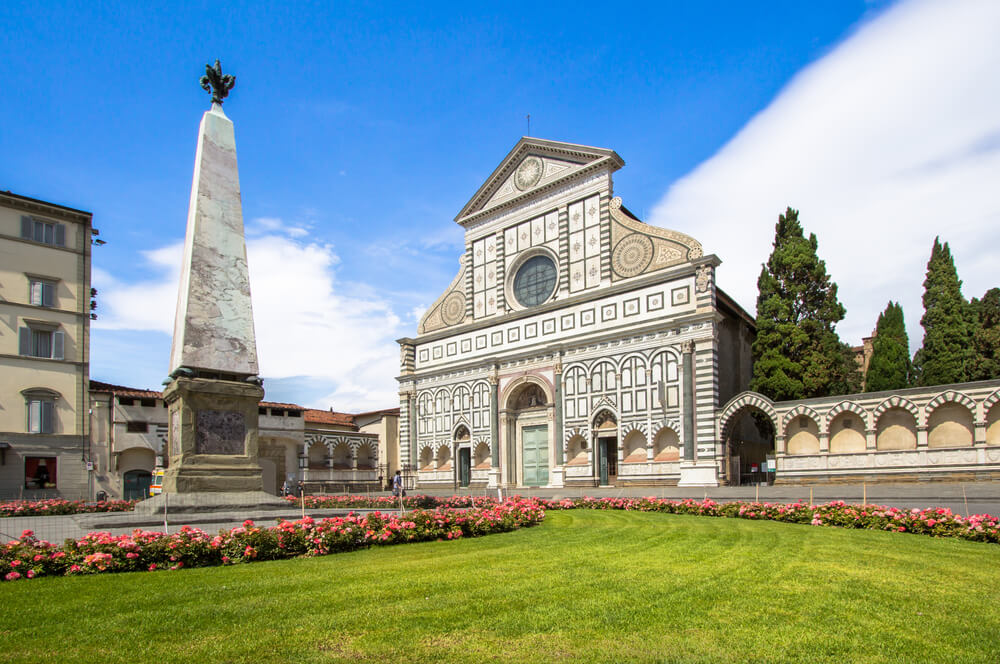
Best for easy transport links
Located just west of the Centro Sorico, Santa Maria Novella offers a slightly calmer atmosphere while remaining extremely central. It’s practical and well connected thanks to being home to the main railway station so it has become a popular base for travellers arriving by train.
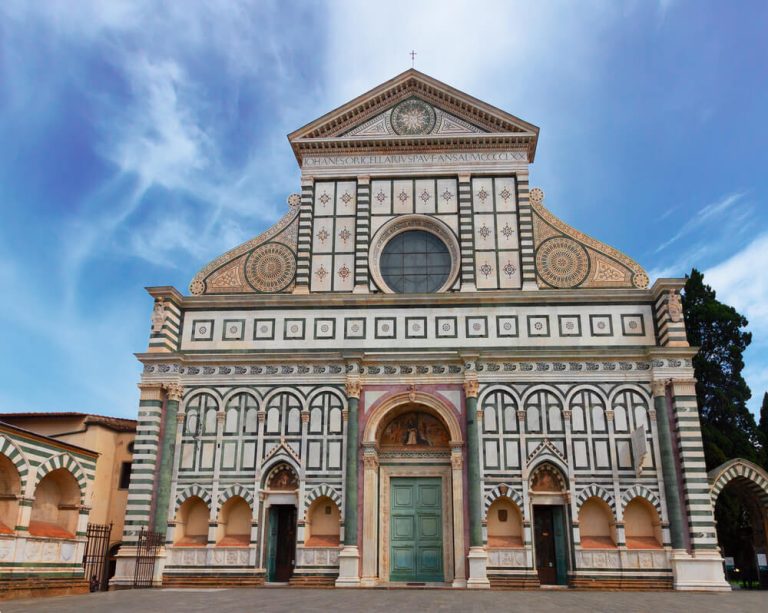
The streets here feel a little wider and less crowded than those around the Duomo, yet you’re still only a short walk from Florence’s main sights. We find this area to be a great balance of convenience and charm. The neighbourhood takes its name from the striking Basilica of Santa Maria Novella, famous for its beautifully proportioned marble façade and important Renaissance frescoes. The main Basilica is stunning but remember that this is an old convent with many beautiful architectural highlights. We love the Spanish chapel which is home to some magnificent artwork. There is also a small museum which houses intricate embroidery work by the nuns in the 15th century as well as a great cafe too.
This area of the city is also home to the grand Piazza Santa Maria Novella which provides an open, airy space that feels slightly removed from the intensity of the historic centre. Also nearby is the Officina Profumo-Farmaceutica di Santa Maria Novella – the world’s oldest pharmacy. Here, herbal remedies and perfumes have been in production since 1221. If you’re in the area it’s well worth a visit if nothing else to appreciate the beautiful decor of the building.
For a more contemporary experience, Santa Maria Novella is also home to Florence’s only urban modern art gallery. Inside Street Level Galleries you’ll find experimental urban art inspired by city life in Florence. Do also take some time to wander the small connecting alleys which house leather and wood working workshops, many of which are open to the public to browse and purchase hand made items.
Accommodation and dining recommendations
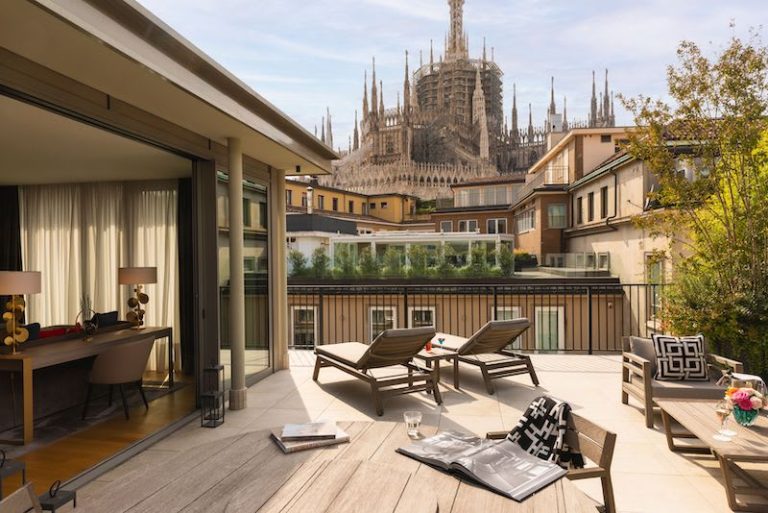
There are plenty of hotels near the train station but they can feel a little functional and often have a very urban feel. Our advice is to consider staying in an apartment in Santa Maria Novella. That way, you can have a more authentic experience while also enjoying the additional amenities of an apartment such as cooking facilities and more living space. One of our favourites in this neighbourhood of Florence is Apartment Luxe. Formerly a theatre, the building perfectly balances traditional Florentine style with state of the art modern facilities. As well as your own private apartment, guests also enjoy access to a number of communal areas within the building. These include a complimentary co-working space and an executive lounge, where drinks and snacks will be available throughout the day. Younger guests will also enjoy the media room. A panoramic rooftop terrace with solarium and hydropool is the perfect relaxing space to come back to after a day of sightseeing. And there is a gym for those that like to work out. Plus, if you plan on hiring bikes, there is even a safe storage area for bicycles. Discover our full collection of Florence apartments here.
In this area of Florence, we find it difficult not to stop for a pizza at Pizzeria Insieme. This is a great local pizza restaurant which does takeaway if you’d prefer to take your pizza back to your Florence apartment. And the icing on the cake is that they serve the very best gluten free pizza that we’ve had anywhere in Italy. Alternatively, for a restaurant that oozes character and serves up phenomenal steak, head to I’ Tuscani San Pancrazio. If you fancy pasta served up with a bit of showmanship, opt for the freshly made tagliatelle flambé al tartufo fresco in crosta di Grana Padano at the Osteria Pastella. It won’t disappoint!
Santa Croce
Best for Lively Nightlife
Santa Croce is full of energy and authentic everyday Florentine life.Yet it is still home to one of the most visited sites in the city. Despite this, the area feels less polished and more lived-in than the streets around the Duomo. There’s a creative, slightly bohemian energy here that appeals to travellers who enjoy atmosphere as much as architecture.
By day, Santa Croce has a distinctly local feel. Artisans work in small leather workshops, cafés hum with conversation and students spill into the piazza between lectures. The streets are lined with independent boutiques, wine bars and traditional trattorias, giving the area a strong sense of identity beyond its headline sights.
As evening falls, the neighbourhood truly comes alive. Locals gather in Piazza Santa Croce for aperitivo, friends linger over long dinners and bars fill with a mix of residents and visitors. It’s lively without being overwhelming, sociable without losing its authenticity.
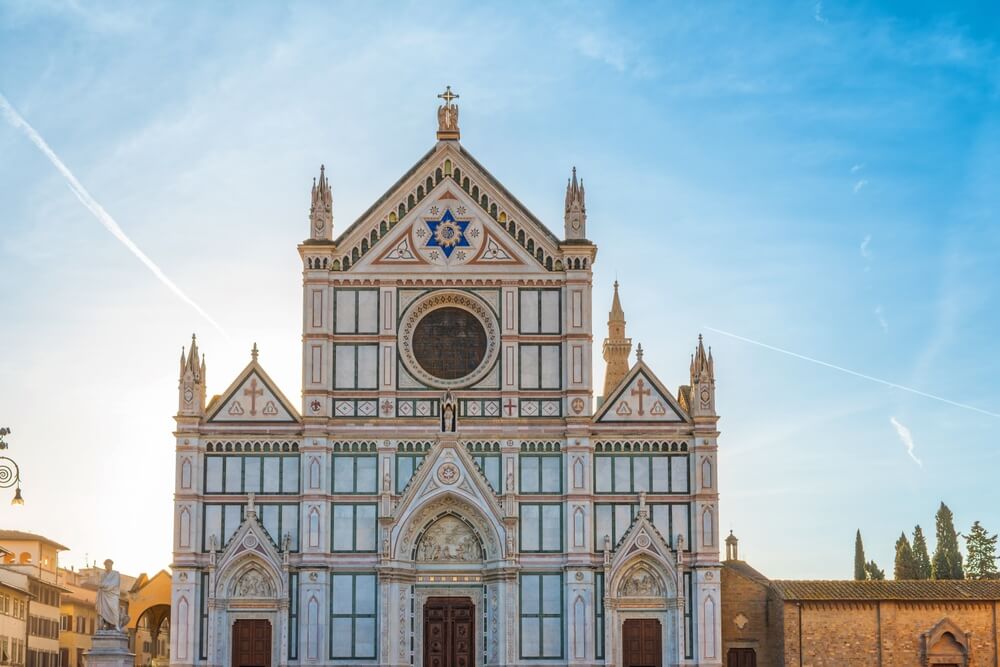
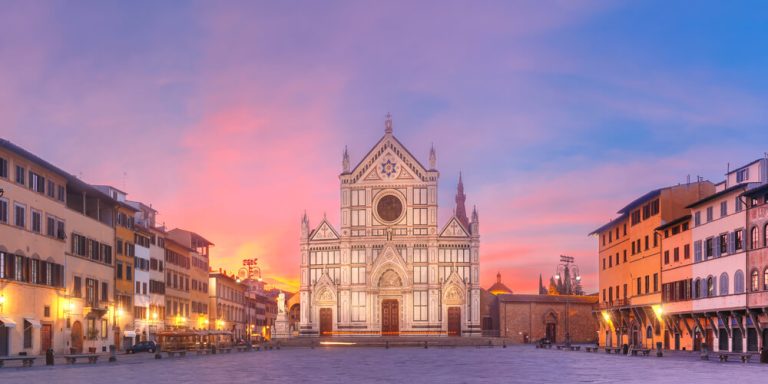
The magnificent Basilica of Santa Croce dominates the neighbourhood, its striking neo-Gothic façade standing proudly over the vast piazza. Often referred to as the “Temple of the Italian Glories,” the basilica is the final resting place of some of Italy’s most illustrious figures, including Michelangelo, Galileo and Machiavelli. Inside, you’ll also find beautiful fresco cycles by Giotto and an atmosphere that feels both grand and contemplative.
The expansive Piazza Santa Croce itself is one of the largest squares in Florence. It regularly hosts cultural events and concerts including the historic Calcio Storico matches each June – a centuries-old form of football played in period costume that transforms the piazza into a dramatic sand-filled arena. It’s also the setting for the popular Christmas market each year.
Art lovers should also visit the nearby Museo dell’Opera di Santa Croce, which houses religious artworks and historic artefacts linked to the basilica’s past. Beyond the headline sights, Santa Croce rewards those who wander. The surrounding streets are filled with artisan workshops, particularly leather makers and goldsmiths – continuing a tradition of craftsmanship that dates back centuries in Florence.
Accommodation and dining recommendations
Santa Croce has fewer hotels than the neighbouring neighbourhoods. Our top choice for accommodation in the area is Casa Santa Croce. This cosy central apartment is the perfect base from which to explore central Florence. With stunning exposed beams and modern appliances, it’s hard to believe that this apartment can be rented for as little as £70 per person per night. Discover our full collection of Florence apartments.
Santa Croce has some excellent dining options. If you fancy a sweet treat then it’s certainly the place to be. The gelato at Vivoli is world-acclaimed and quite rightly so. Their gelato affogato has shot to instagram fame and for very good reason. This is a popular tourist stop but is still frequented by local Florentines too. Either way everyone’s in for a treat!
However, one of our favourite places in Santa Croce is Caffe Cibreo. In fact, this is a family of restaurants serving of some of Florence’s finest food in their casual cafe, a more formal trattoria and finally in their theatre! All stand just a few metres from each other and only a short walk from the Piazza del Duomo. Each location gives a different experience. We love the cafe which is small and intimate offering generous portions of some really delicious authentic Italian dishes. The theatre offers a great communal dining experience with dinner cooked in the open kitchen, followed by a show. And finally the trattoria offers more formal traditional Italian dining.
Oltrarno
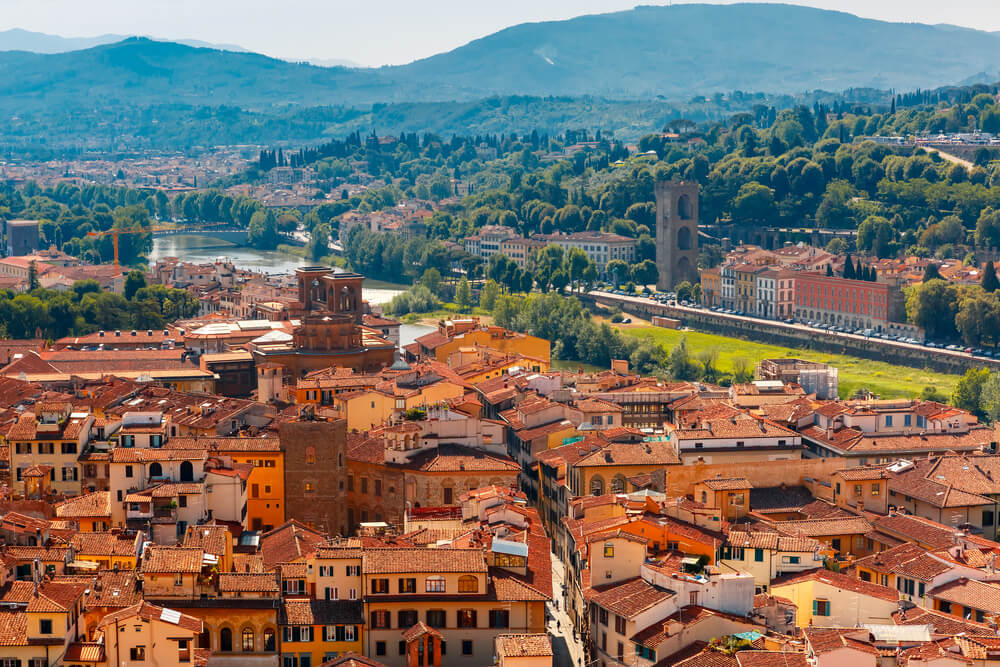
Best for authentic vibes and aperitivo
Cross the River Arno and you’ll discover Oltrarno. It translates literally to ‘beyond the Arno’. While Florence’s historic centre dazzles with monumental landmarks and steady crowds, the Oltrarno neighbourhood offers something gentler and endlessly authentic.
This is the Florence of artisans and ateliers, of shuttered windows and quiet courtyards. In Oltrarno, traditional workshops still produce leather goods, marbled paper and handmade jewellery, all using techniques passed down through generations. The pace here is noticeably slower. Mornings begin with locals picking up pastries from neighbourhood bakeries, afternoons drift by in leafy squares and evenings revolve around aperitivo in lively piazzas.
The heart of Oltrarno is Piazza Santo Spirito, a square that perfectly captures the area’s spirt. It’s informal, sociable and unmistakably Florentine. Children kick footballs across the cobblestones, market stalls sporadically pop-up and friends gather on church steps long after sunset.
Oltrarno appeals to travellers who want to experience Florence beyond its postcard image. It’s romantic without trying to be stylish and creative without losing touch with its roots.
Accommodation and dining recommendations
Away from the main tourist trail, there are fewer hotels over this side of the river. Life in Oltrarno is local so our advice is to embrace this and rent an apartment in the neighborhood. We loved our stay in Apartment Oltrarno. Situated on the second floor of the building, overlooking the main square, it is furnished and decorated in an upmarket, contemporary style – very Oltrarno! This is definitely a cool place to stay in Florence and is perfect for fitness enthusiasts since it boasts its own Turkish bath and private gym area. Alternatively, discover our full collection of Florence apartments to rent here.
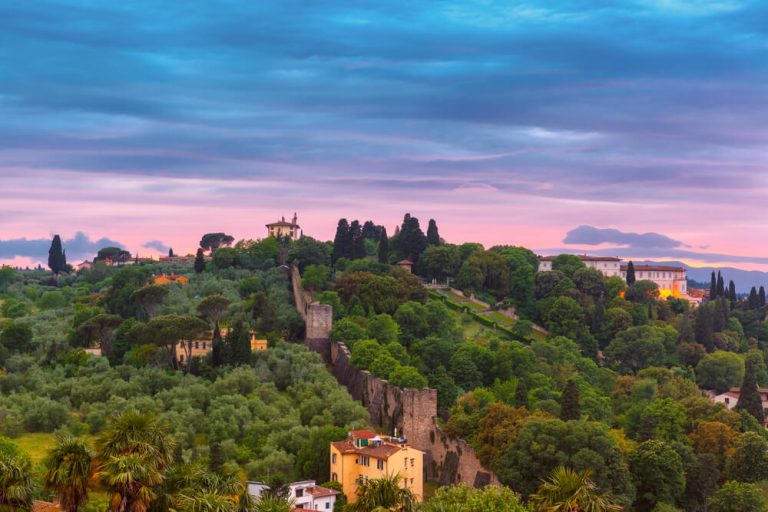
Oltrarno is one of the best neighbourhoods in Florence for relaxed, high quality dining. This is particularly true if you’re seeking traditional Tuscan flavours away from the busiest tourist streets. Trattoria La Casalinga is a beloved Oltrarno institution, serving generous portions of ribollita, pappa al pomodoro and bistecca alla Fiorentina in an unpretentious setting. It’s the sort of place where locals return again and again.
When it comes to aperitivo and evening drinks, Oltrarno truly comes into its own. The atmosphere is relaxed, sociable and effortlessly cool. Volume, set inside a former carpenter’s workshop, blends art, music and cocktails in a space that feels both industrial and inviting. It’s a great spot for a casual early evening drink.
San Marco
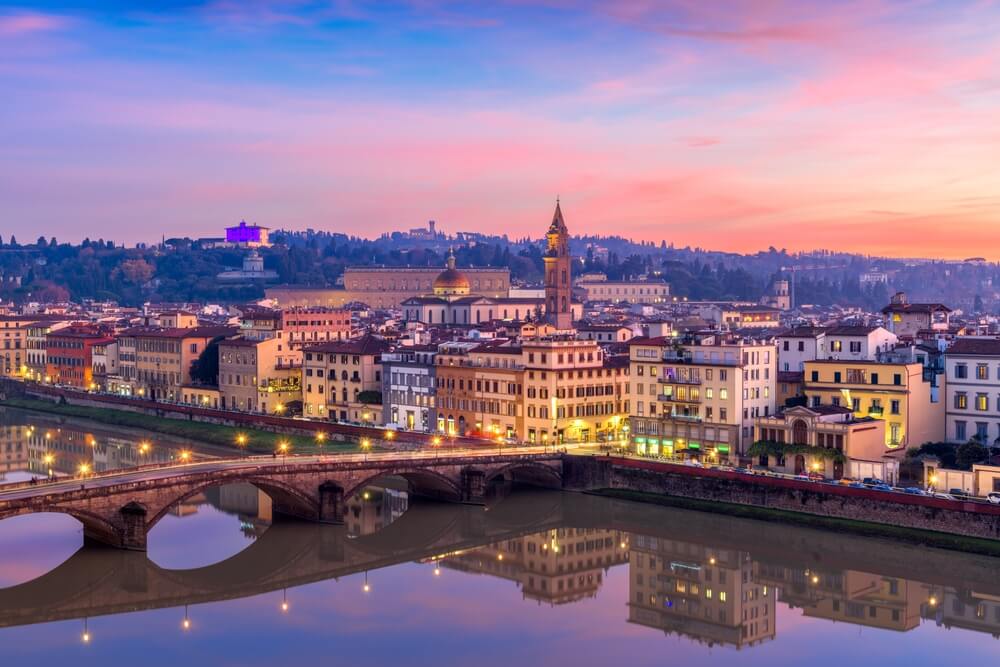
Best for Art Lovers
San Marco offers a quieter, more intellectual atmosphere just north of the busiest streets. Wider roads and a more residential feel makes it appealing to those who prefer to retreat from the crowds after a day of sightseeing. Like all of Florence, it remains culturally rich but slightly calmer than the areas around the Duomo.
This is a neighbourhood shaped by art, academia and quiet grandeur. With the University of Florence nearby and several major museums within easy reach, San Marco has long attracted scholars, artists and those seeking a slightly slower pace. It’s ideal for travellers who want culture on their doorstep but appreciate returning to a quieter base in the evening.
The spiritual and artistic heart of the neighbourhood is the San Marco Monastery. Once home to the Dominican friars and briefly to the fiery preacher Savonarola, the monastery is now a museum showcasing some of Florence’s most moving Renaissance art. The highlight is the series of frescoed monk’s cells painted by Fra Angelico. Each small, contemplative image feels deeply personal and wandering the quiet corridors offers a rare sense of stillness in a busy city.
Just a few minutes away stands the world famous Galleria dell’Accademia, home to Michelangelo’s David. Seeing the sculpture in person illuminated beneath a domed skylight is one of Florence’s most unforgettable experiences. Beyond David, the gallery also houses Michelangelo’s unfinished ‘Prisoners’, which offer fascinating insight into his sculptural process.
San Marco is also home to the elegant Piazza San Marco, an important transport hub and gateway to the northern side of the historic centre. Nearby, the Museo di San Marco and surrounding convent buildings provide further insight into Renaissance religious life, while smaller galleries and historic palazzi line the surrounding streets. Again, perfect for travellers who like to explore at their own pace rather than ticking off a Florence bucket list of must see sights.
Accommodation and dining recommendations
San Marco does have a reasonable selection of hotels. By and large, these are smaller boutique establishments and there are more budget options in this area of Florence. The Four Seasons is arguably the largest luxury hotel but we would argue that this doesn’t have the same authentic charm as a stay in an apartment in Florence.
San Marco offers a pleasant mix of traditional trattorias, casual cafés and relaxed neighbourhood restaurants – often at slightly more reasonable prices than the streets around the Duomo. For classic Tuscan cooking in a historic setting, Trattoria Zà Zà is a long-standing favourite. Located near the Mercato Centrale, it serves hearty pasta dishes, Florentine steak and regional wines in a lively atmosphere.
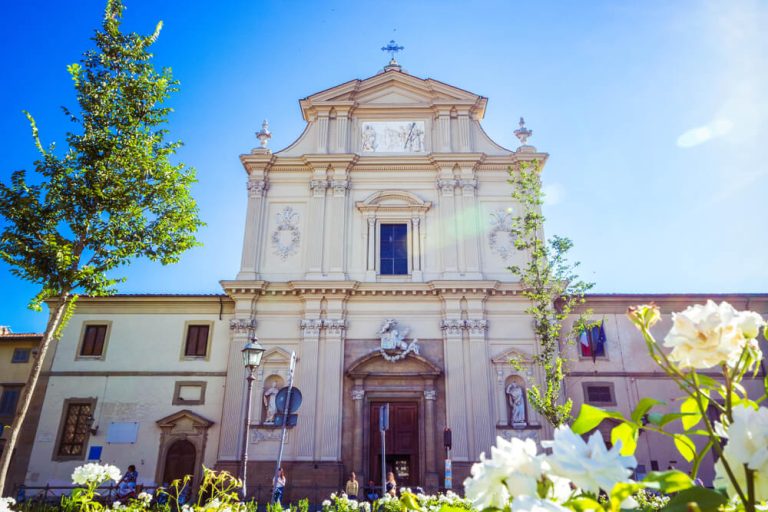
Just around the corner, Trattoria Mario is a no-frills institution known for traditional recipes and communal tables. It’s particularly popular at lunchtime, so expect a queue but we think this is always a good sign. For something lighter, several small cafés along Via Cavour and the surrounding streets offer excellent espresso, pastries and panini, perfect for a mid-morning break between museum visits.
Things to do in Florence
Art and Architecture
Florence is often described as the cradle of the Renaissance and nowhere is that more evident than in its extraordinary art and architecture. The city’s skyline is dominated by the magnificent Duomo, crowned by Brunelleschi’s revolutionary dome. Climb to the top for panoramic views across Florence’s iconic terracotta rooftops and rolling Tuscan hills.
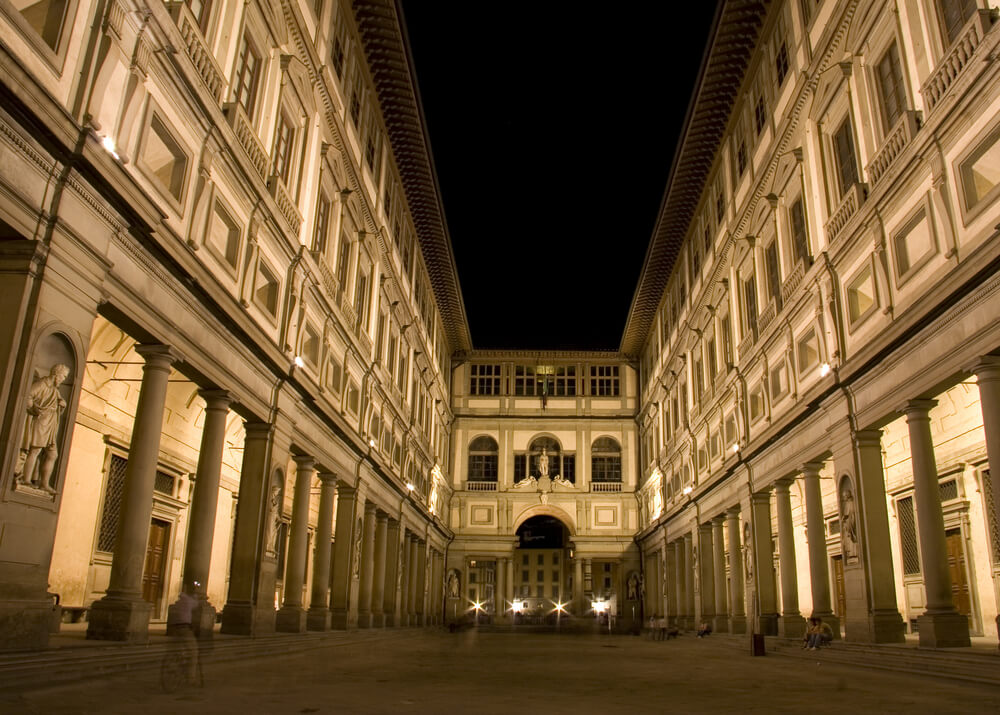
A huge attraction in Florence for art lovers is the world famous Uffizi Gallery, home to Botticelli’s Birth of Venus and works by Leonardo da Vinci, Raphael and Caravaggio. When visiting these masterpieces, we highly recommend booking a ticket which includes access to the Vasari Corridor. Sitting above the Ponte Vecchio bridge, the corridor was built by Vasari on the orders of Cosimo I de Medici in 1565 to connect the Palazzo Vecchio with the Palazzo Pitti. Access is limited to small groups so you must book in advance. Get your ticket here. Equally unmissable is the Galleria dell’Accademia, where Michelangelo’s David stands in breathtaking splendour. Here you will also find work from numerous accomplished artists including Fra Bartolomeo, Botticelli and Ghirlandaio.
If you’re travelling to Florence as a family, the Leonardo Interactive museum is a particularly good museum to visit for children especially on a rainy day in Florence. Bringing to life the work and genius of Leonardo da Vinci, it’s home to over 50 machines constructed entirely of wood using the original Da Vinci drawings. It’s extremely interactive. Children (and adults) can play with the models as much as they like, turning wheels and watching the gears and mechanisms in action on anything from a crane to a machine gun. Book tickets to the Interactive Leonardo Museum or a guided tour to bring this creative genius to life even further.
Beyond these headline attractions, Florence is a city that rewards those who look up, with majestic architectural masterpieces crowning every street and alley. Be brave and wander down quiet streets and be sure to pop in to the city’s smaller churches where you will discover some wonderful artistic treasures.
History
Florence’s story stretches back to Roman times, but it was during the Middle Ages and Renaissance period that the city truly changed the course of European history. Once a powerful republic and later ruled by the influential Medici family, Florence became a centre of finance, politics and intellectual life.
Start your historical journey at the imposing Palazzo Vecchio, which has overlooked Piazza della Signoria since the 14th century. Inside, lavishly decorated chambers tell the story of Florence’s civic pride and political power.
Nearby, wander through Piazza della Signoria itself – an open air museum of sculptures that reflects the city’s Renaissance identity. Crossing the iconic Ponte Vecchio offers another glimpse into Florence’s medieval past. Remarkably spared during World War II, its cluster of jewellery shops continues a tradition that dates back centuries.
For a deeper dive into Medici influence, visit the Palazzo Pitti, once the grand residence of Florence’s ruling dynasties. We also love the Museo dell’ Opera, where you’ll find the original, ornate bronze doors of the Baptistry designed by Lorenzo Ghiberti and dating back to the early 15th century. Many visitors do not realise that the doors on the Baptistry are in fact replicas.
Also not to miss is the Basilica of Santa Croce, the largest Franciscan church and the resting place for several eminent Florentines, including Michelangelo, Rossini and Machiavelli. You’ll find the church in the piazza of the same name which is one of our favourites in Florence.
Italy is predominantly Catholic and dominated by its magnificent churches, but when in Florence it’s also well worth visiting the city’s synagogue – the Tempio Maggiore. It’s one of the largest synagogues in Europe. Its interior is spectacularly colourful and it’s topped with an incredibly beautiful turquoise dome. Its existence owes much to David Levi who left the funds to build this in his will following his death in 1870. It was opened in 1882. Hitler’s armies tried to destroy the building when they retreated in 1944 but failed thanks to Italian resistance fighters. The synagogue is situated inside lush gardens set behind cast iron railings. Also situated here is a fascinating museum displaying a superb collection of Jewish ceremonial items and art. Reserve your tickets to the Jewish synagogue and museum in advance.
Another gem of a museum is Museo Galileo, which is home to one of the largest collections of scientific instruments in the world and reflects the fact that Florence has been as interested in science for as long as it has been in art. The Medici family encouraged scientific research as much as they did art and this was continued by the Lorraine family in Florence in the 17th century. Galileo Galilei arguably did more than anyone else to bring about the birth of modern science. Galileo’s original instruments are all on display in the museum including his telescopes and the lenses he used to discover Jupiter’s Moons. Book skip the line tickets to the Museo Galileo or book a fascinating guided tour of the Galileo Museum to learn more about this scientific genius.
Finally, we always recommend a visit to the Laurentian Library. This museum is home to the most important collection of manuscripts in the world and where we think you’ll find the most beautiful reading room in the world too.
Green Spaces
While Florence is famed for its art and architecture, it also offers beautiful green spaces where you can slow the pace and escape the crowds. This is especially nice to do during the spring when Florence is alive with colour as spring flowers burst into bloom.
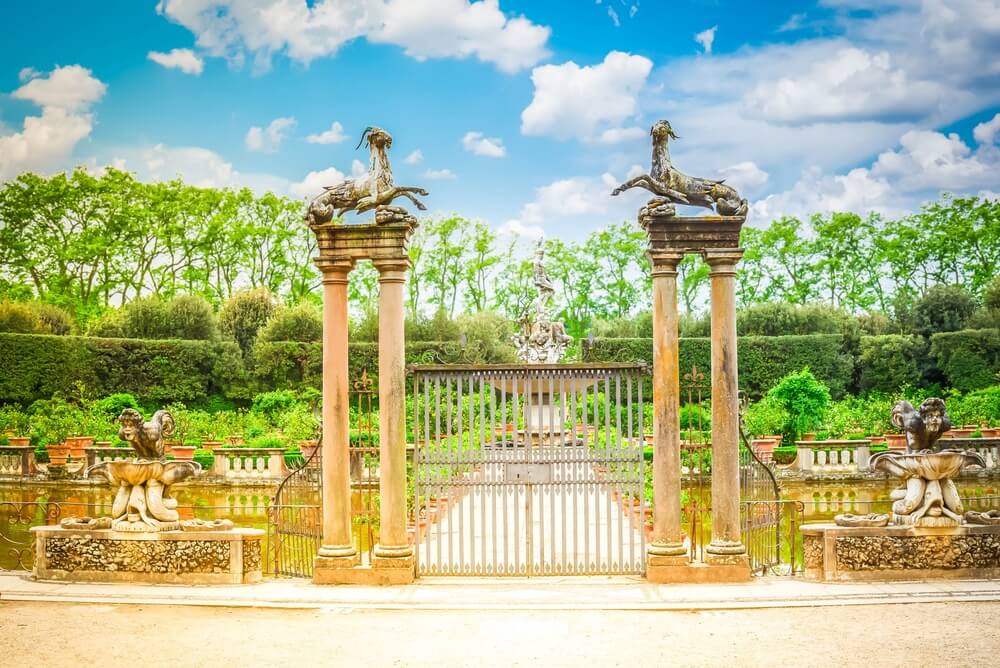
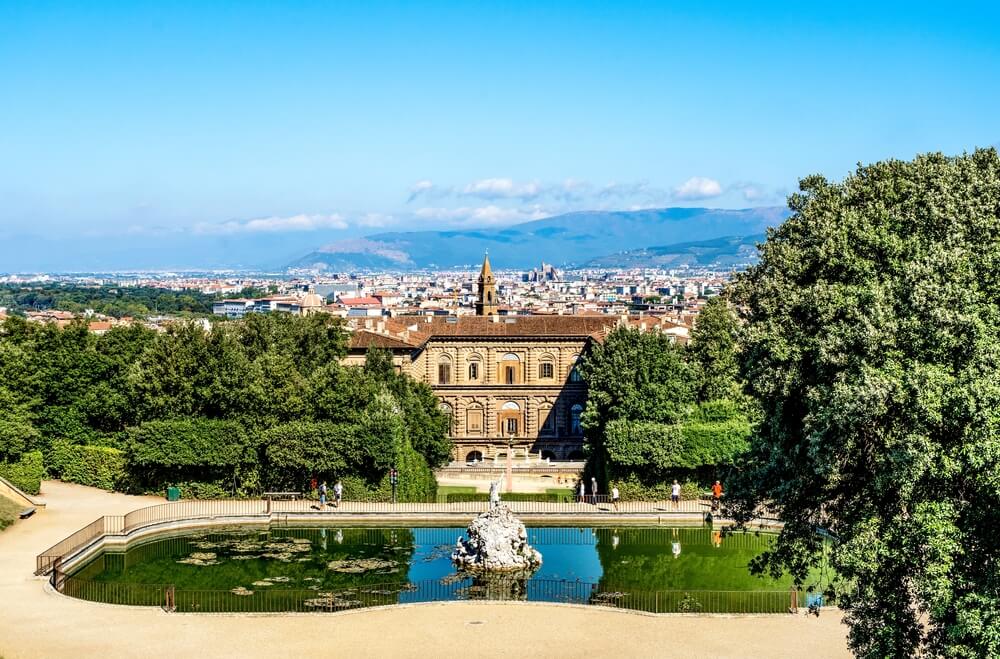
Behind Palazzo Pitti you’ll find the stunning Boboli Gardens, a masterpiece of Renaissance landscape design. Terraced lawns, statues, fountains and shaded pathways make it a peaceful retreat from the heat of the summer sun and there are superb views over the city.
For a more relaxed and local atmosphere, head to the Rose Garden below Piazzale Michelangelo. From here, Florence unfolds before you in postcard perfection as local Florentines take refuge in this beautiful garden. It is particularly magical at sunset.
If you’re looking for somewhere less formal, the Cascine Park along the River Arno offers wide open spaces popular with joggers, cyclists and families. It’s the perfect spot to stretch your legs or hire a bike to discover the area on two wheels.
Food and Drink
The lively Mercato Centrale is the perfect introduction to Florence’s food scene and and an equally perfect place to discover more of Tuscany’s local produce. Browse stalls piled high with pecorino cheeses, wild mushrooms, truffles, cured meats and fresh pasta. It really is a fabulous way to taste Florence.
Wine is central to Florentine life. Sitting in the heart of Tuscany, the city is surrounded by some of Italy’s most celebrated vineyards. Wine bars across Florence offer guided tastings of Chianti Classico, Brunello di Montalcino and lesser known Tuscan varieties too. In fact, most wine bars in Florence can give you a good education on what you’re drinking. Visit Winedering to book a formal tasting close to your Florence accommodation. Or, for something uniquely Florentine, seek out one of the city’s historic wine windows (buchette del vino). These are small arched openings where wine was once sold directly to the public centuries ago – a charming reminder of Florence’s long standing love affair with wine.

If you prefer a hands-on approach, Florence is an excellent place to join a cooking class. Learn how to make fresh pasta from scratch, prepare traditional Tuscan sauces or perfect a classic tiramisù under the guidance of local chefs. Many classes begin with a guided market visit, where you’ll select seasonal ingredients before returning to the kitchen to create a delicious meal. It’s a wonderful way to understand the rhythms of Italian cooking and to take a little of Florence home with you. One of our favourites is at Cooking Art Brunelleschi – right in the heart of the city. This is a popular experience so we highly recommend booking in advance here. Alternatively, our partners at Arianna & Friends would be delighted to help you find the perfect cooking class in Florence. Or, if you have a sweet tooth or are visiting Florence with kids then why not enjoy a lesson on how to make gelato. Whilst the origins of gelato are unclear and many regions claim to have invented it, the Florentine claim is a strong one. They argue that it originated with them in the 16th century when they shipped blocks of ice from the Apennine mountains. If you’re happy just to eat gelato rather than make it, then we can recommend taking a trip to Vivoli Gelato, one of Florence’s oldest gelateria.
Off the Beaten Track Florence
Florence’s headline attractions are extraordinary. However, some of the city’s most memorable moments happen away from the busiest piazzas. Step beyond the Duomo and the Uffizi, and you’ll discover quieter corners that reveal a more intimate, authentic side of Florence. One of our favourite spots to wander are the tiny alleys that link the main streets of Santa Maria Novella. Here you’ll discover open wood and leather workshops filled with treasures being carefully crafted by local artisans.
You must also visit the Oltrarno district, where you will find more artisan workshops still practising traditional crafts such as book binding, marbling and gold leaf decoration. Wander the smaller side streets around Santo Spirito and San Frediano and you’ll find independent studios with welcoming proprietors to chat to about techniques passed down through generations of Florentines.
For a peaceful, cultural experience, visit San Miniato al Monte. Perched high above the city, fewer visitors make the climb but the reward is one of Florence’s most beautiful Romanesque churches with panoramic views that rival those from Piazzale Michelangelo, but with a fraction of the crowds.
Art lovers looking for something quieter should explore the Museo di Palazzo Davanzati, a fascinating glimpse into a medieval Florentine home, or the Brancacci Chapel, where Masaccio’s frescoes quietly transformed Renaissance painting.
If you’re craving green space beyond the Boboli Gardens, head to the Bardini Gardens. Often overlooked, there are wisteria covered pergolas in spring and spectacular views across the city skyline.
Another outdoor option that can be especially popular if you’re travelling with teens is Kayaking down the River Arno. It is a wonderful opportunity to see the city from a different perspective and to get away from the crowds during the peak months. Paddle beneath famous sites such as the Ponte Vecchio, whilst learning about the city from a knowledgeable tour guide. Tours are up to two hours long and can also be a good way to burn some calories after a Bistecca alla Fiorentina the night before!
Best Sights to Visit in Florence
Florence may be compact, but it is overflowing with extraordinary landmarks. From revolutionary Renaissance art to sweeping hilltop views, the city offers an unmatched combination of history, culture and magnificent beauty. Below are the essential sights to include in your Florence itinerary – with practical details to help you enjoy your visit.
Cattedrale di Santa Maria del Fiore
Florence’s Cathedral is more than just a landmark – it is the defining symbol of the city. In fact, if you arrive on a clear day you can even see the Duomo as you land into the city’s airport. Brunelleschi’s vast dome, completed in 1436, was a groundbreaking feat of engineering that helped usher in the Renaissance. Climbing the 463 steps to the top brings you face to face with Vasari’s dramatic fresco of the Last Judgement before emerging onto one of the most spectacular viewpoints in Italy.
Even if you don’t opt to climb up the tower, the cathedral complex offers plenty to explore. The Baptistery’s golden mosaic ceiling is breathtaking, while Giotto’s Bell Tower provides an alternative climb with equally rewarding views. To climb the tower you must book a ticket with an allocated time slot.
It’s worth noting that entry to the main Duomo is free, however there are always huge queues to enter through this main entrance. Instead, if you buy a ticket for entry into the Duomo, Baptistery and Bell Tower, you also get access through the door on the other side of the Cathedral.
Also part of the complex, housed in the basement of the main cathedral building, the Opera del Duomo Museum houses original sculptures and models that explain how this ambitious architectural masterpiece was constructed. The staff here are wonderfully knowledgeable and passionate about the history of the complex and it’s definitely worth visiting if you have the time.
The Uffizi Gallery in Florence
The Uffizi is one of the most significant art galleries in the world. Its collection charts the development of Western art from the Middle Ages through to the Renaissance. Highlights include Botticelli’s The Birth of Venus and Primavera, Leonardo da Vinci’s Annunciation and works by Raphael, Titian and Caravaggio.
The experience is not only about the paintings. The gallery’s long corridors, lined with classical statues and framed by arched windows overlooking the Arno, create a dramatic setting that enhances the art itself. Visiting the Uffizi allows travellers to understand why Florence became the cradle of the Renaissance.
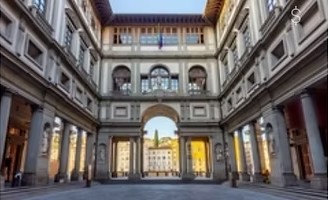
Even before you enter the building, you can feel the history and grandeur of the artwork inside. On your approach to the entrance, the huge arches of the Loggia dei Lanzi are the perfect introduction. Constructed in the 14th century as a venue for public functions, today the space is an al fresco sculpture gallery – the perfect appetiser for the joys of the Uffizi Gallery itself.
As one of Florence’s most popular sights, it is essential to book Uffizi tickets in advance and we strongly recommend opting for a skip the line ticket. Florence is far too good to waste any time in a queue!
Basilica of Santa Croce
Slightly east of the historic centre in a district named after this very Basilica, Santa Croce combines artistic beauty with historical weight. Inside lie the tombs of Michelangelo, Galileo and Machiavelli, making it a place of pilgrimage for lovers of art, science and politics alike.
The basilica’s frescoes by Giotto are among the finest examples of early Renaissance painting, while the peaceful cloisters provide a quiet retreat from the busy streets outside. To really get the most out of the experience we really do recommend visiting the basilica with a guide. There are so many stories entwined in the history of this building and the great thinkers who have been laid to rest here.
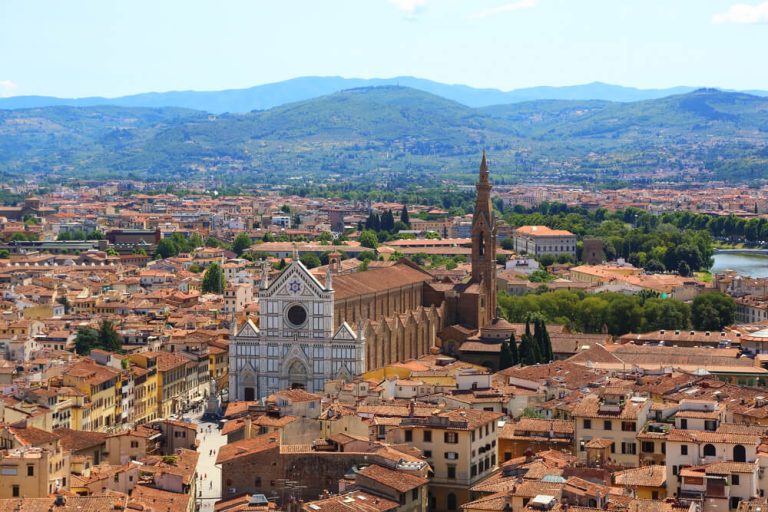
The expert guides who offer tours have dedicated their lives to this period in history and present it in such a way that you will also be entertained as well as educated. Unsurprisingly these tours are popular and tickets sell out quickly. Check availability and book yours here now.
Additionally, the spacious piazza in front of Basilica Sante Croce regularly hosts cultural events and festivals, giving visitors a chance to experience some of Florence’s living traditions. The Genius Loci Festival held in September is a chance to experience sunrise concerts in the Piazza. Later in the year, there is a chocolate festival and this is also the location of Florence’s German Christmas market.
Galleria dell’ Accademia
The Accademia’s headline attraction is Michelangelo’s David and it truly lives up to expectations. Positioned beneath a domed skylight, the sculpture’s detail, scale and anatomical precision are extraordinary when seen in person.
Beyond David, the museum houses Michelangelo’s unfinished Prisoners, which appear to struggle free from their marble blocks. These works offer a rare glimpse into the artist’s creative process and reveal the raw energy behind his genius. The gallery also contains religious paintings and musical instruments that provide broader insight into Florentine culture.
The gallery is in the quieter San Marco district of the city but don’t let this lure you into thinking that the gallery itself will be quiet too.
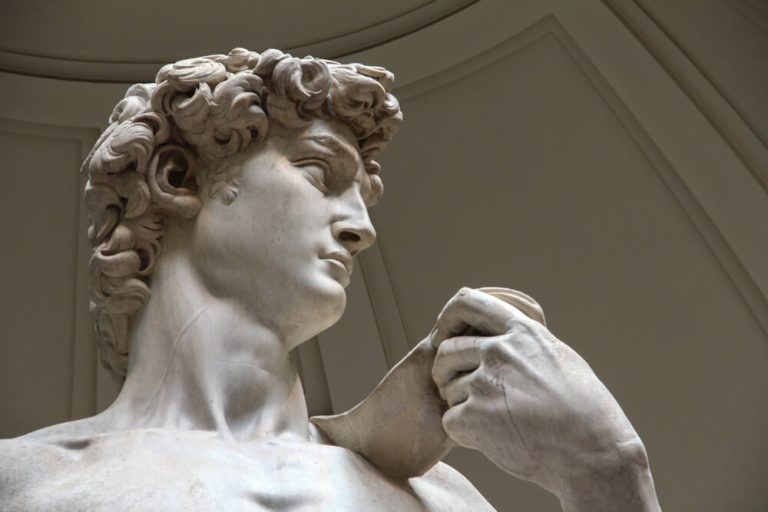
People travel from all corners of the world to see Michelangelo’s David and this means it’s one of Florence’s busiest attractions. Much like with the Uffizi Gallery, if you don’t book skip the line tickets, the chances are that you will spend too much of your time in Florence in a queue. Check availability and book your Accademia tickets here.
The Ponte Vecchio
The Ponte Vecchio is Florence’s oldest bridge and one of its most photographed landmarks. The bridge spans the River Arno, linking the historic centre with Oltrarno. Built in the 14th century, by some miracle, it survived World War II and continues to house jewellery shops along its length. This is a tradition dating back to Medici times. It’s difficult to describe just how old the bridge and its ornate decoration is, but we can only describe it as stepping into a film set in the 14th century. There is no fee to cross the bridge but it can get very busy. So busy that it is almost too difficult to enjoy. For this reason, if you’re visiting Florence in high season we recommend getting up early for a stroll along the Arno followed by a visit to Ponte Vecchio.
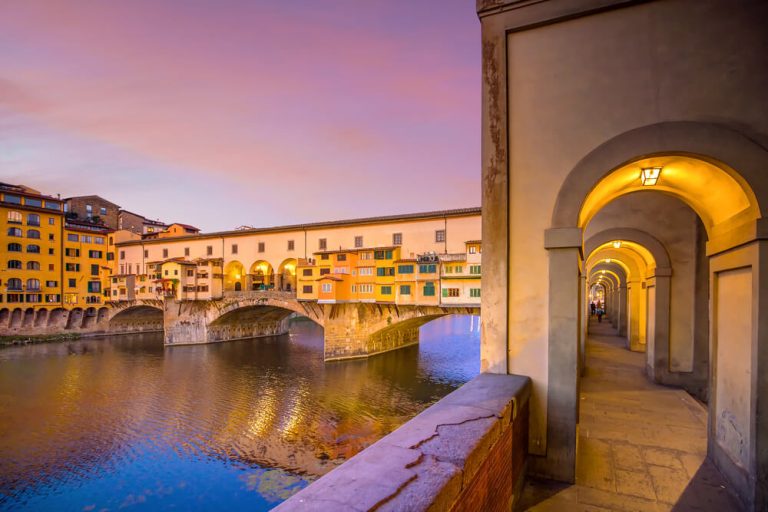
Walking across at sunset is particularly magical too, as golden light reflects off the Arno and musicians often perform nearby. The bridge also carries the Vasari Corridor above its shops, a hidden passageway once used by the Medici to move between palaces unseen. You can buy a ticket for a tour of the Vasari Corridor as as add-on to your Uffizi Gallery ticket.
Palazzo Pitti and Boboli Gardens
Across the River Arno, and probably the main attraction of the Oltrarno district, the Palazzo Pitti showcases the wealth and influence of the Medici family and later ruling dynasties. The Palatine Gallery’s lavishly decorated rooms are filled with works by Raphael and Titian, displayed in richly gilded surroundings that evoke royal grandeur.
Step outside and you’ll find the Boboli Gardens, one of the world’s finest Renaissance landscape masterpieces that became a model for European garden design. Sculptures, fountains and shaded terraces unfold across the hillside, providing space to wander and relax. The gardens also offer superb views back across Florence’s rooftops.
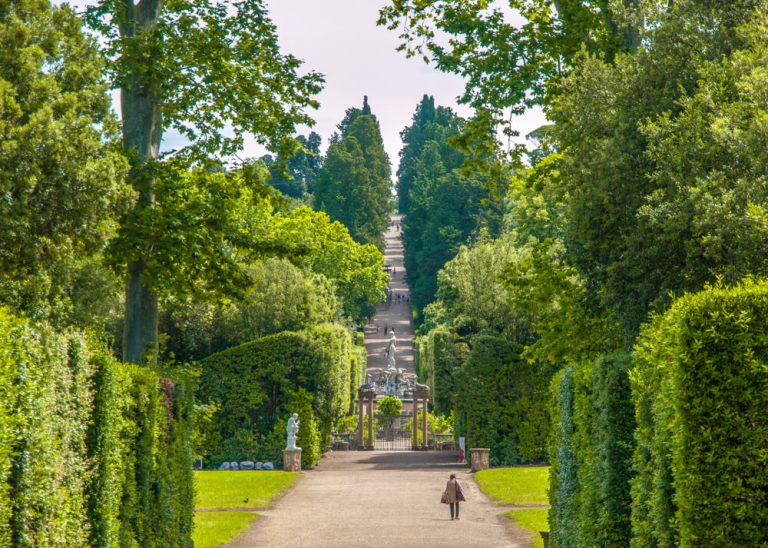
This green space becomes a real haven during the hottest days of the summer months and are the perfect place to catch your breath and contemplate the sheer beauty of Florence.
Tickets for the Palazzo Pitti and its gardens can be booked in advance and again we recommend opting for the skip the line option. Tickets usually also include an audio guide and can be booked here.
Piazzale Michelangelo
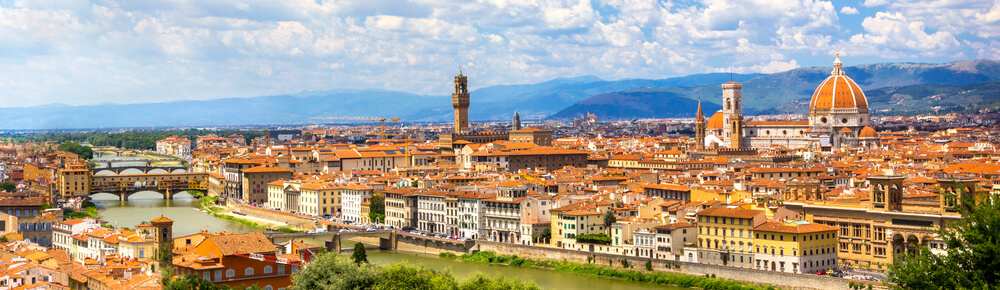
For the ultimate panoramic view of Florence, head to Piazzale Michelangelo. From here, the Duomo’s dome rises proudly above Florence’s majestic terracotta rooftops, framed by rolling Tuscan hills – it really is one of the finest views in all of Italy. You will enjoy views of many of the afore-mentioned bridges that span the River Arno as well as the Duomo and Palazzo Vecchio.
The piazza was originally the work of the 19th century architect, Giuseppe Poggi, and it’s dotted with copies of sculptures by Michelangelo. Unsurprisingly this is one of the most photographed spots in Florence and has risen to Instagram fame in recent years. This means it can be very busy but it is still well worth the trip up the hill.
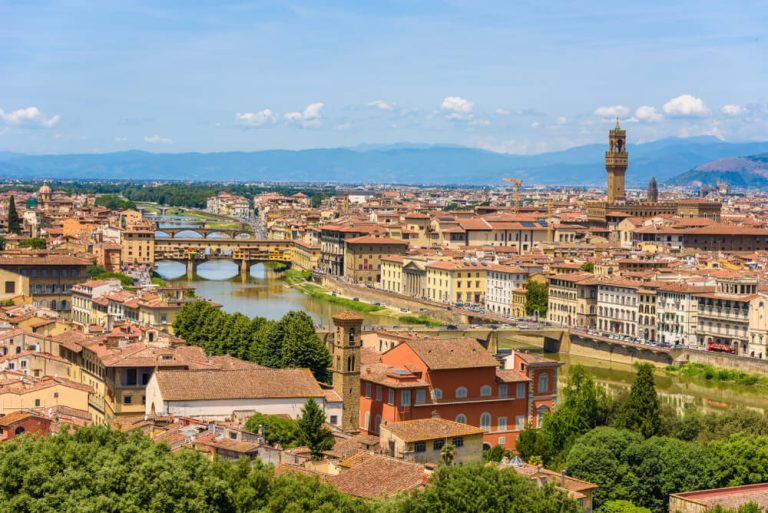
The square is particularly magical at sunset, when the city is bathed in warm golden light. Musicians often perform, adding to the romantic mood. Another bonus is that there is no entry fee. If you’re looking for more free things to do in Florence, discover our full guide here.
Profumo-Farmaceutica di Santa Maria Novella
It may seem a strange activity to enjoy on holiday, but a visit to the Officina Profumo-Farmaceutica di Santa Maria Novella (one of the world’s oldest pharmacies) is a must on any trip to Florence. It is located in the monk’s infirmary in the Basilica Santa Maria Novella and was established in 1221 by Dominican monks.
Even if you aren’t planning on shopping for one of the monk’s incredible perfumes or remedies, the building interior is still worth seeing. It is absolutely stunning with original frescoes, gilded ceilings and elegant wooden cabinets housing old glass medicine bottles. As soon as you enter, you’re immediately hit by the wonderful smells and fragrances of the herbs and spices used to create their products.
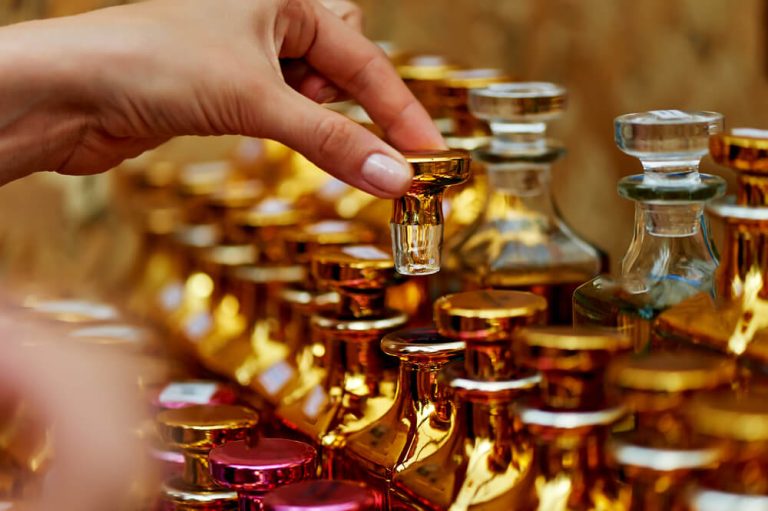
Head to the perfume bar to choose a fragrance perfectly suited to you. Alternatively, opt for a 2 hour masterclass in perfume making at the Antica Spezieria Erboristeria San Simone shop and laboratory.
Mercato Centrale
We make no secret of the fact that part of our love of Italy is closely intertwined with our love of food! And in our option, no visit to Florence is complete without spending time at Mercato Centrale. Housed in a striking 19th-century iron and glass structure, this vibrant food market is both a showcase of Tuscan produce and a celebration of Italian culinary tradition.
On the ground floor, you’ll find a traditional market atmosphere. Local vendors sell fresh fruit and vegetables, seasonal truffles, porcini mushrooms, pecorino cheeses, cured meats and handmade pasta. It’s the perfect place to discover regional ingredients and experience everyday Florentine life. Another great reason to book an apartment in Florence where you will have a kitchen in which to cook these delights.
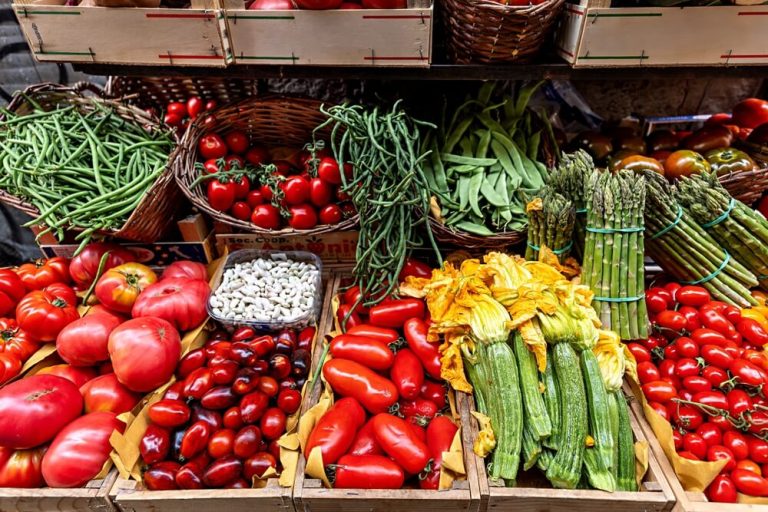
Even if you’re not cooking, browsing the stalls offers insight into Tuscany’s deep connection to its culinary culture. Upstairs, the market transforms into a lively food hall with artisan counters serving everything from fresh mozzarella and pizza to lampredotto (Florence’s traditional tripe sandwich) and gourmet burgers made with Chianina beef. It’s informal, energetic and ideal for sampling a variety of dishes in one place.
Mercato Centrale also hosts cooking classes, wine tastings and an abundance of food focused events. An ideal opportunity to engage in probably the most important part of Florentine culture – food!
Palazzo Vecchio
The Palazzo Vecchio was the symbol of civic power in Florence for centuries. Today, it gives a fascinating insight into Florentine history from the Romans through to Medieval times and then on to the Renaissance period. Construction on what you see today began in 1299 but the palace was built on the remains of an ancient theatre, parts of which are still visible to visitors.
These days, we think the most impressive part of the palace is the Salone dei Cinquecento (Hall of the Five Hundred). Construction on this section began in 1494. Measuring 54 metres by 23 metres and with a ceiling height of 18 metres, it is filled with large wall frescoes, beautiful sculptures, golden decorations and panelled ceilings.
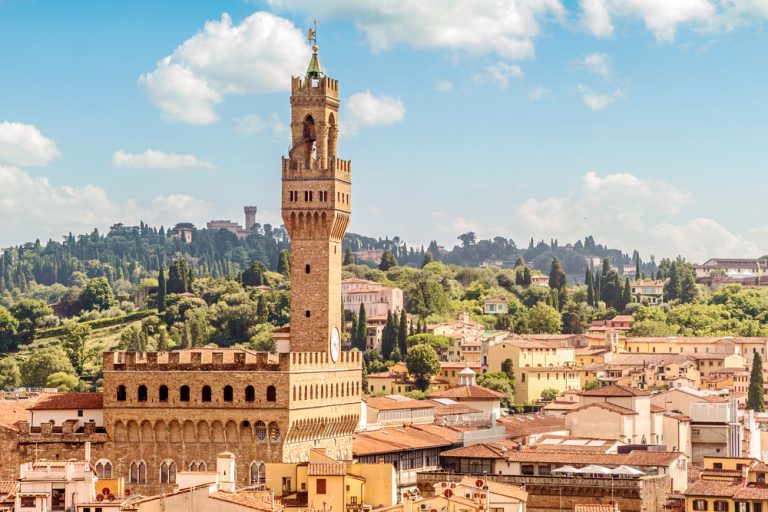
Also of note is the Quatieri Monumentali – a series of rooms which have been decorated by artists such as Michelangelo, Vasari and Donatello. And finally, there is also the incredible Hall of Maps. Inside this room is an enormous rotating globe (Mappa Mundi) and dozens of maps painted on leather showing how the world would have been seen in the mid 16th century.
The Duomo and Campanile aren’t the only viewpoints you can climb in Florence. Another option is to climb the Palazzo Vecchio. Just like from the top of the Campanile, this will give you the chance to enjoy excellent views of the Duomo itself. Book skip the line tickets to the Palazzo Vecchio and opt to upgrade your ticket to include the tower climb should you wish to take in the views. Or opt for a guided tour of the Palazzo Vecchio to bring the history of the building to life.
The Piazza della Signoria which sits in front of the Palazzo Vecchio, is home to a number of statues including the replica of Michelangelo’s David and while it’s not the real thing, it is a good replica if you’re too short on time to make it to the Galleria dell’ Accademia.
What to Eat and Drink in Florence
Like any visit to Italy, a trip to Florence is a real treat for the tastebuds. Florentines take their food seriously and this is a real bonus for those of us who choose to visit their city. We’ve actually never had a bad meal in Florence but there are definitely a few things that you must try on your trip.

Bistecca alla Fiorentina
If there were one dish that defines Florence, it would be the Bistecca alla Fiorentina. This legendary T-bone steak comes from the prized Chianina breed of cattle and is cut thick – very thick. Traditionally grilled over hot coals and seasoned simply with salt, pepper and a drizzle of local olive oil, it is served rare and sliced for sharing.
There’s no sauce, no fuss and most importantly absolutely no overcooking. The result is tender, smoky and deeply flavourful meat that celebrates quality above all else. Order it with cannellini beans or roasted potatoes and a bold Tuscan red wine and you’ll soon understand why Florentines are so proud of it.
Lampredotto
For something far more humble – but equally iconic – try lampredotto. This traditional Florentine street food is made from the fourth stomach of a cow, which we realise doesn’t make it sound very appealing! But trust us. Once it’s slow cooked in a fragrant broth with herbs and vegetables, it’s delicious and a real local authentic treat to eat in Florence.
Served in a crusty bread roll and topped with either a spicy tomato sauce or a vibrant green salsa verde, it’s surprisingly tender and packed with flavour. You’ll find lampredotto stands scattered across the city, particularly around markets and busy piazzas and always in Mercato Centrale. Locals swear by it as a quick, satisfying lunch and tasting it is a rite of passage for travellers with adventurous taste buds.
Ribollita
Ribollita is Tuscany’s answer to comfort food. This hearty soup is made with cannellini beans, cavolo nero, vegetables and stale bread (again trust us on this one)! The name means ‘reboiled’, as it was traditionally cooked one day and reheated the next, allowing the flavours to deepen.
Thick, rustic and nourishing, ribollita perfectly reflects the Tuscan philosophy of cucina povera – simple ingredients transformed into something rich and satisfying. It’s especially popular in the cooler months and pairs beautifully with a generous glug of local olive oil and a glass of Chianti.
Pappardelle al Cinghiale
Like everywhere in Tuscany, pasta is central to Florentine cuisine, and Pappardelle al Cinghiale is one of the most beloved local dishes. Wide ribbons of fresh egg pasta are coated in a slow cooked wild boar ragu, often simmered with red wine, tomato and aromatic herbs.
The sauce is rich and deeply savoury, with the gamey flavour of the boar balanced by long, gentle cooking. It’s a dish that feels both hearty and refined – a wonderful example of Tuscany’s countryside influence on Florence’s city tables.
Crostini Toscani
Often served as an antipasto, crostini toscani are small slices of toasted bread topped with a smooth chicken liver pâté. While it may sound simple, the flavour is rich and comforting and is sometimes enhanced with capers, anchovies (our favourite) or a splash of Vin Santo.
These little bites appear at the start of many traditional meals and are a perfect introduction to Tuscan dining. Pair them with a glass of local wine or a spritz and you’ll immediately feel part of the Florentine rhythm.
Cantucci and Vin Santo
To finish, nothing feels more Tuscan than cantucci dipped into Vin Santo. Cantucci are crisp almond biscuits, baked twice for their signature crunch. They’re served alongside a small glass of sweet dessert wine – Vin Santo – into which the biscuits are dipped before eating.
The combination of nutty biscuit and honeyed wine is simple but deeply satisfying. It’s not just dessert – it’s a ritual. Meals in Florence aren’t rushed and this gentle, sweet ending encourages you to linger a little longer at the table.
The Best Time to Visit Florence
While it may sound like a cliche, we think any time is a great time to visit Florence. However, temperatures can soar in the Summer months. Average temperatures of 25 degrees feel much hotter in central Florence and temperatures can even reach the low 30s across July and August. Humidity is high and just as temperatures can soar, so can the crowds.
So, for this reason, we’d probably recommend planning your trip in the Spring, Autumn or even Winter months if you can. You’ll find things quieter and definitely much cooler! Temperatures average between 7 and 13 degrees centigrade across the Winter months. They rise to a much more pleasant average of 15 to 18 degrees in the Spring months of April and May but often it feels warmer, especially in the Tuscan sun.
However, as the temperatures rise, so does the rain. Rainfall is actually lower in January and February than across April and May.
Whenever you are lucky enough to visit Florence we stand by there not being a bad time to come. But, if you opt to visit Florence in peak Summer, it just means you’ll need to enjoy more gelato to keep cool!
How many days do you need in Florence
At Bookings For You, we’ll happily help create a bespoke itinerary for your Tuscany villa holiday. After all, an itinerary will vary dependent on the location of your villa in Tuscany and whether this is your first visit or whether you’re returning seasoned holidaymakers.
24 Hours in Florence
There is no better way than to begin 24 hours in Florence than with a strong Italian coffee taken standing at a bar. Enjoy it with a flaky cornetto and watch the city slowly wake up around you. That said, with only 24 hours in Florence, it’s best to be Italian and not to linger over this ritual.
From there, make your way to the heart of the city – Piazza del Duomo. Seeing the Cathedral of Santa Maria del Fiore for the first time is a genuine wow moment. The intricate marble façade and its vast red dome make it one of the most impressive buildings in Italy. If you’re feeling energetic, climb the dome or Giotto’s Bell Tower for sweeping views across terracotta rooftops. The earlier you go, the better – both for cooler temperatures and smaller crowds.
Just a few minutes walk then brings you to Piazza della Signoria, Florence’s historic political centre. The statues here – including a replica of Michelangelo’s David – stand proudly in the open air. Take a few moments to explore the square before heading inside the Palazzo Vecchio or continuing towards the Arno.
Florence is synonymous with Renaissance art and if you’re a keen art lover, spend a couple of hours in the Uffizi Gallery. Even if you’re not an art historian, seeing works like The Birth of Venus in person is something special. Definitely book skip the line tickets in advance. With just 24 hours in Florence you don’t want to waste any time in a queue! Afterwards, step back into the daylight and wander down to the River Arno. Cross the Ponte Vecchio and admire the glittering jewellery shops which line its borders. It’s busy, yes, but undeniably charming. Pause halfway across and look out over the river; this is one of Florence’s classic postcard views.
In the afternoon, cross back over the river to the Oltrarno district. Discover the artisan workshops, small galleries and quieter piazzas. Browse handmade leather goods, watch craftsmen at work or simply wander without a strict plan.
If you have the energy, climb up to Piazzale Michelangelo. The walk is steady but manageable, and the reward is one of the finest panoramic views in Italy. Florence spreads out before you — the Duomo’s dome rising proudly above a sea of terracotta roofs.
As evening approaches, it’s time for an aperitivo. Head back down into the city and find a lively piazza. Many bars serve small snacks alongside your drink, making this one of the most enjoyable hours of the day. The light at this time is magical, buildings glow golden and conversations spill out onto the streets.
For dinner, embrace local tradition and enjoy a Bistecca alla Fiorentina followed by a gentle stroll through the softly lit streets. Florence at night feels intimate and romantic – far quieter than during the day. Cross the Ponte Vecchio once more, admire the illuminated Duomo and savour the fact that, even in just one day, Florence manages to leave a lasting impression.
48 Hours in Florence
Spending two days in Florence is enough time to see the headline sights but still not quite enough time to be able to truly soak up the magic of the city. We recommend following the above itinerary for spending 24 hours in Florence but with double the time you will be able to enjoy each stop at a more leisurely pace. Additionally, on your second day in Florence we recommend heading over to the San Marco district to the Galleria dell’ Accademia. Here you will be able to see the original statue of David (as well as Michelangelo’s statue of Quattro Prigionieri) and other numerous artworks by accomplished artists such as Fra Bartolomeo, Botticelli and Ghirlandaio. This is also a good opportunity to visit the Basilica di Santa Croce. This church is the resting place of several eminent Florentines, including Michelangelo, Rossini and Machiavelli, as well as for Pisan born astronomer, physicist and engineer, Galileo Galilei.
From here, head along the Via Ghibellina and the Via del Corso towards Florence’s main shopping street – Via de’ Tornabuoni – where you will find the showrooms of Italy’s top fashion designers including Armani, Gucci and Prada as well as plenty of cheaper high street options en route.
And with 48 hours in Florence you will of course also have the luxury of two Florentine dinners! If you’ve enjoyed a Bistecca alla Fiorentina on your first evening then we recommend heading over to Caffe Cibreo to sample their award winning pasta. But also be sure to check what’s on at their adjacent theatre – Teatro del Sale. Dinner and a show here is one of the best nights out in Florence.
5 Nights in Florence
Spending 5 nights in Florence is almost the perfect amount of time to explore the city. Rather than following the above guides to spending 24 hours and 48 hours in Florence, we would recommend dedicating a day to each of the city’s districts. Don’t rush the experiences and take time to linger in museums and galleries.
Having a little more time in Florence will also allow you to enjoy at least one activity in the city. Our go-to Florence activity is a cooking class. These are interactive and entertaining in equal measure and you also get to eat the fruits of your labour. However, if you’re travelling to Florence with teens, they may prefer a kayak trip down the Arno River or to join a bike tour to explore the city on two-wheels. Both of these activities are best enjoyed with a knowledgeable local guide. One of our favourites is an e-bike tour up to Piazzale Michelangelo – a much kinder way to conquer the hill! Check out the best Florence experiences here.
With 5 nights in Florence, we always recommend staying in a Florence apartment. This way you will have more space to settle into Florentine life and have a much more authentic experience. Also remember that Florence is relatively compact so it’s quite reasonable to enjoy your evening meal in each different district on your 5 nights in Florence. This way you will get a unique experience and get to taste all corners of Florence’s delicious cuisine.
A Week in Florence
Spending a week in Florence is a real privilege. While it can be tempting to rush around a city of such high iconic value, we must insist that you don’t do this in Florence. Florence isn’t designed to be rushed. As the former home to some of the world’s finest artists, writers and philosophers, it’s almost disrespectful to dash around ticking off the sights. And with a week in Florence there’s no need. 7 days is enough time to explore each district at a leisurely pace and much like the above 5 day itinerary, it also allows time to enjoy at least one or two different activities in the city. Again we recommend booking an apartment in Florence and to embrace local life for a more authentic experience. With the luxury of a kitchen we also advise our guests to visit the Mercato Centrale at least once and to cook with locally sourced ingredients. Stall holders are always happy to advise on how best to cook their ingredients!
A Month in Florence
The prospect of spending a month in Florence is so dreamy that it almost sounds like the title of a novel! And it really can feel like a dream come true to be about to spend an extended period of time in such an amazing city.
Beyond the big hitting museums and galleries we would also recommend finding an activity which helps you immerse yourself in Florentine culture. Perhaps a multi-day cooking course or even an Italian language course? With a month in Florence there is also ample time to leave the city for a few day trips into the Tuscan countryside. Here you can enjoy some of the finest wine tours and tastings in Europe along with hiking and e-bike tours and much more. Our partners at Arianna and Friends are hugely experienced in arranging bespoke tours and experiences in Tuscany. Click here to explore what they have on offer to help you plan some activities and experiences during your month in Florence.
If you’re based in the city, then it’s unlikely that you will have a car and really not necessary while you’re in Florence itself. For the days you plan to leave the city we recommend hiring a car and driver so you can sit back, relax and enjoy the majestic Tuscan views. We always advise our guests to book their car in advance here. If you enjoy driving then it is also possible to rent a car in Florence for trips outside of the city. But always remember to check that your license is valid to drive in Italy and that you have all the necessary documents with you.
When choosing accommodation for a month in Florence, opting for a self-catering apartment is definitely the best option. Also consider staying a little outside of the city in a larger villa or apartment in Tuscany. Discover our full collection of Tuscany villas and apartments here.
Florence holidays for...
A holiday in Florence can mean so many different things. It’s a wonderfully diverse city and can offer so much more than just the big sights. So here are some ideas for all types of travellers in Florence.
For Couples
Florence is one of Italy’s most romantic destinations. It may be famous for Renaissance masterpieces and grand architecture, but beyond the galleries and guidebooks, Florence has an intimacy that’s hard to resist. Wander hand in hand across the Ponte Vecchio as the sun begins to set or climb Piazzale Michelangelo where the rooftops glow pink and the Duomo rises proudly above the skyline. There are few better places in Italy to share a quiet moment and simply take it all in.
For Families
We think Florence is a wonderful destination for families. While it’s known for Renaissance art and grand architecture, Florence is surprisingly manageable with children. The historic centre is compact, largely walkable and filled with open piazzas where little legs can stretch and parents can pause for a well earned espresso.
If you have older children with energy to burn, climb to the top of Giotto’s Campanile – the sense of achievement (and the sweeping views) make the steps worthwhile. Cross the Ponte Vecchio together and let younger travellers peer into the glittering jewellery shop windows. Florence often feels like an open air museum and even children who claim not to love “history” can be captivated by its scale and beauty.
Solo Travellers
We think Florence is one of Italy’s best destinations for solo travellers. Compact, beautiful and so easily walkable, it’s a city where you can fill every hour with art, history and Florentine culture or simply wander this wonderful city without a plan. Florence feels safe, manageable and perfectly sized for exploring alone, allowing you to move at your own pace without ever feeling overwhelmed.
If you’re feeling sociable then there is plenty to get involved with as a solo traveller in Florence. Cooking classes, wine tasting and almost endless guided tours make Florence a perfect place to visit solo.
For Groups
Travelling to Florence with a group of friends or as an extended family is great fun. In a city which offers such diverse experiences, there is something for everyone to enjoy. Remember to contact us to help you find the best accommodation solutions. Many of our apartments are in buildings where we can make multiple bookings for you – giving you the perfect balance of shared living but with a little privacy too.