





What to do during your luxury holiday to Umbria
Now that your travel arrangements are locked in and you’ve secured your dream villa, the fun of filling your itinerary with unforgettable moments begins!
While neighbouring regions might get more headlines, Umbria holds a special kind of magic. Known as the “Green Heart of Italy,” it is a land of wild, emerald valleys, dramatic waterfalls, ancient hill towns, and an understated luxury that feels refreshingly undiscovered. Here, days are defined not by packed tour buses or long queues, but by quiet moments of pure indulgence, tasting rare black truffles in Norcia, sipping world-class Sagrantino in Montefalco, or simply listening to the evening breeze roll over the hills from your private terrace.
To help you plan a getaway that strikes the perfect balance between exploration and relaxation, we’ve put together a guide to Umbria’s best sights, tastes, and experiences.
History and culture in Umbria
Umbria is often celebrated for its peaceful landscapes and beautifully preserved hilltop towns. Steeped in history and oozing authentic Italian culture, the whole region is a haven for those travellers looking to discover history and culture in Italy at its best. Known as Italy’s “Green Heart”, Umbria sits at the centre of the peninsula and has been inhabited since prehistoric times. Long before Rome rose to power, the region was home to the Etruscans, whose legacy can still be seen in towns such as Orvieto and Perugia.
Under Roman rule, Umbria became strategically important, with roads, theatres and civic buildings shaping the landscape. Many of these ancient foundations remain visible today, subtly woven into medieval streets and piazzas. After the fall of the Roman Empire, Umbria passed through the hands of various powers, including the Lombards and the Papal States, shaping its identity as a deeply religious and culturally rich region. It officially became part of a unified Italy in the 19th century.
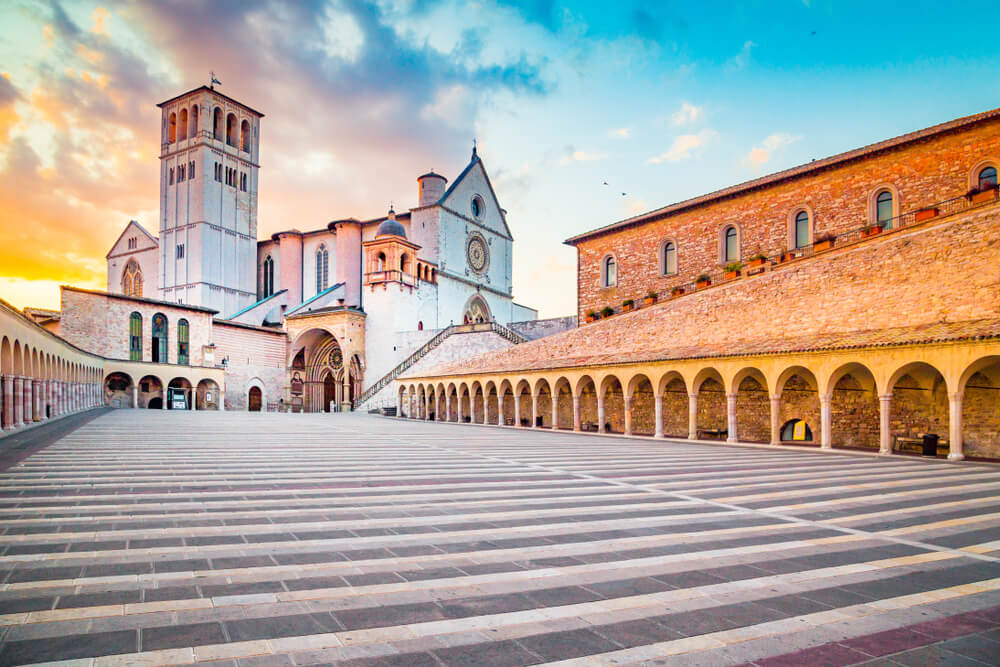
Umbria’s hilltop towns are perhaps its greatest cultural treasure. Places like Assisi, Spoleto, Gubbio and Todi are living museums, where Roman ruins, medieval palazzi and Renaissance churches sit side by side. The Basilica of Saint Francis in Assisi is one of Italy’s most important religious sites, while Gubbio’s Palazzo dei Consoli and Spoleto’s Roman theatre tell stories of civic pride and artistic achievement spanning centuries.
Religion, craftsmanship (especially in food!) and community life are deeply woven into Umbrian culture. This is reflected not only in grand basilicas and monasteries, but also in local festivals, traditions and food culture which has been passed down through generations. From ancient olive oil production to medieval celebrations, Umbria offers countless ways to connect with Italy’s past and learn about Umbrian culture first hand.
Whether you’re wandering a quiet piazza, exploring an ancient church or enjoying a long lunch overlooking rolling hills, Umbria’s history and culture are never far from the surface — and that’s exactly what makes the region so special.
Vineyards and wineries in Umbria
Umbria is home to some exceptional wines, and visiting a vineyard is one of the most rewarding experiences in the region. Spend an afternoon tasting Sagrantino di Montefalco, one of Italy’s most powerful red wines, or enjoy lighter whites and rosés produced in small, family-run wineries. Many vineyards offer guided tastings paired with local cheeses and cured meats, giving you real insight into Umbrian food culture.
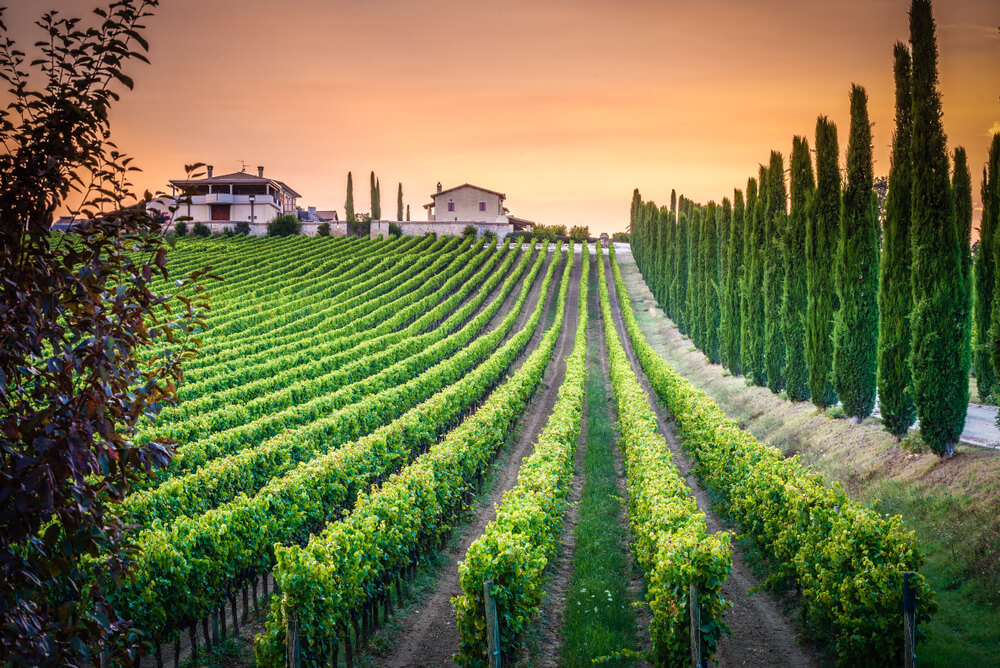
If you’re looking for an exceptional wine tasting experience in Umbria, look no further than spending a couple of hours with Roberto and his family at Enotica Properzio in the heart of Spello. Roberto, a larger than life character, and an impeccable host, and his knowledge of wine is second to none. Guests are warmly welcomed and treated to a superb array of wines accompanied by the most delicious, home made food. Located in the centre of Spello, a beautiful old town dating back to Roman times, the enoteca has tables both inside and outside, either at the front or in a more private rear garden.
Exploring the Umbrian countryside
Umbria’s countryside is quietly spectacular. Rolling hills, olive groves, vineyards sit alongside pockets of wild, mountainous terrain. We often think that Umbria’s countryside is just as beautiful as Tuscany’s but with the bonus of being less discovered by tourists.
Umbria is well known as the ‘green heart of Italy’ and not surprisingly given it’s name, it is ideal walking territory. With an abundance of national parks to choose from, many of the areas are protected ensuring that Umbria’s natural beauty will be preserved for future generations.
The parks include the Monti Sibillini National Park as well as a number of smaller regional parks, among them Colfiorito, Monte Cucco, Monte Subasio, the Tiber River Park, Trasimeno and the Nera River Park. In addition there is the Parco STINA and some smaller reserves such as the parks of Sette Frati and Villalba, Lake Alviano and La Valle.
The largest of the parks – the Monti Sibillini National Park – is a wonderful place for hiking. Covering nearly 18,000 hectares, this is a nature lovers paradise with nearly 2000 species of flowers from edelweiss to orchids. The Monte Cucco regional Park just as good for anyone interesting in hiking. The scenery here is just as breathtaking, with an equal abundance of wildlife, from crayfish in the rivers, to eagles in the air and wolves in the forests. With over 120 kilometres of trails in the park, the difficulty will be knowing which route to choose! For the birdwatcher enthusiasts out there, opt for walks in the Colfiorito Regional Park.
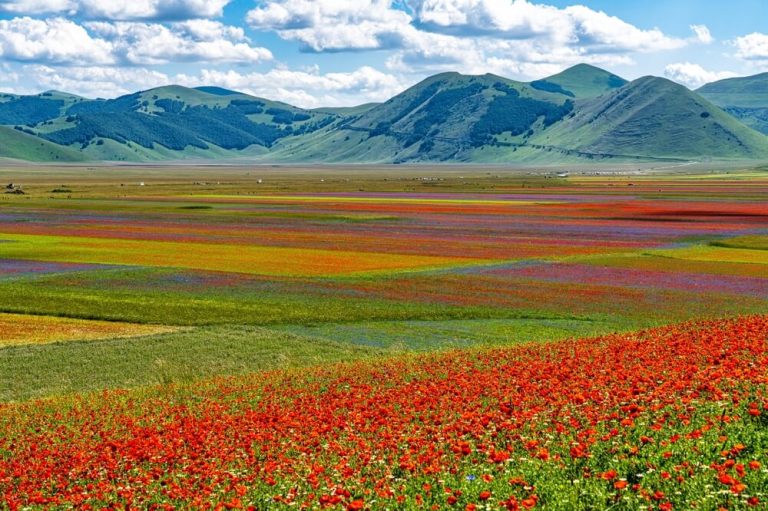
For lovers of open landscapes and mountain scenery, the Monti Sibillini National Park is the standout choice. Straddling the border between Umbria and Marche, this protected area offers high plains, rugged peaks and some of the most dramatic views in central Italy. The Piano Grande near Castelluccio di Norcia is particularly breathtaking, especially during La Fioritura, when the fields burst into colour. Hiking routes here range from gentle walks to challenging mountain trails, making it suitable for a variety of abilities.
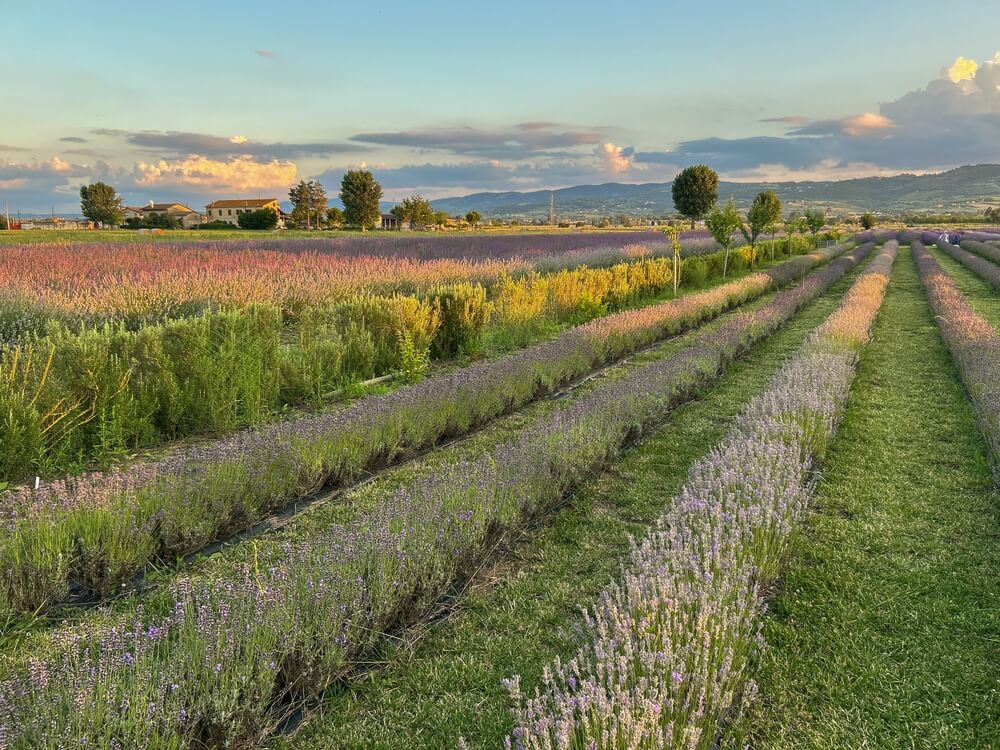
If you prefer gentler countryside, the valleys and hills of central Umbria provide a softer, more pastoral experience. Areas around Montefalco, Bevagna and Todi are ideal for scenic drives, cycling and walking through vineyards and olive groves. These landscapes invite slow exploration, with plenty of opportunities to stop one of Umbria’s picturesque villages for refreshment along the way
Nature lovers may enjoy the wooded areas and nature reserves scattered across the region, where quiet trails offer the chance to spot local wildlife and enjoy peaceful surroundings far from the crowds. Guided walks can be a great option if you want to learn more about the land, its history and its flora.
Umbria’s landscape is exceptionally rewarding for cyclists too. Rolling countryside, olive groves and vineyard-lined valleys create ideal conditions for scenic rides, while the region’s famous hill towns offer more challenging routes for those looking to test their legs.
In the valleys and rural areas, roads are often quiet and gentle, making them well suited to road cycling. Routes around Lake Trasimeno, for example, are relatively flat and particularly popular, offering long, peaceful rides with open views and minimal traffic. These areas are ideal for leisure cyclists or those looking for longer, steady days in the saddle.
For more experienced riders, Umbria’s hilltop towns provide demanding climbs and exhilarating descents. Towns and cities such as Assisi, Spoleto and Gubbio sit high above the surrounding plains, and the roads leading up to them are steep and quite unforgiving. While these climbs are not for beginners, the rewards at the top — panoramic views and the satisfaction of the ascent — are considerable.
Mountain bikers are equally well catered for, with off-road trails, forest tracks and mountain paths, particularly in areas like the Monti Sibillini and the Apennine foothills. These routes offer a wilder, more rugged cycling experience and are best suited to riders with some off-road experience.
Wherever and however you choose to explore, Umbria’s countryside rewards those who take their time. Whether you’re hiking, driving, cycling or simply enjoying the view, look around and savour the moment.
Best Places to Visit in Umbria
As well as Umbria’s larger towns and cities, there are also a number of smaller towns and villages we recommend you visit, as well as a number of other sights that showcase the beauty of this region of Italy.
Cascate delle Marmore
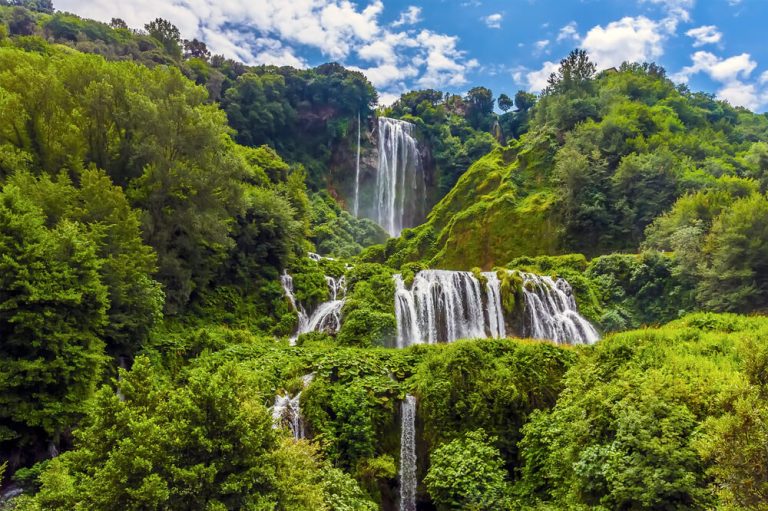
This is the largest man-made waterfall in the world and a truly magnificent sight. It was actually built by the Romans, so it’s had plenty of time to settle into its stunning natural setting. At a staggering 165 metres high, the falls are a must see destination if you’re visiting Umbria. While the falls are split across three levels, there are many viewing platforms from which to enjoy the wonderful vistas and take some fantastic photos. An entrance fee gives to access the falls, all the hiking trails and amenities in the park.
Lake Trasimeno
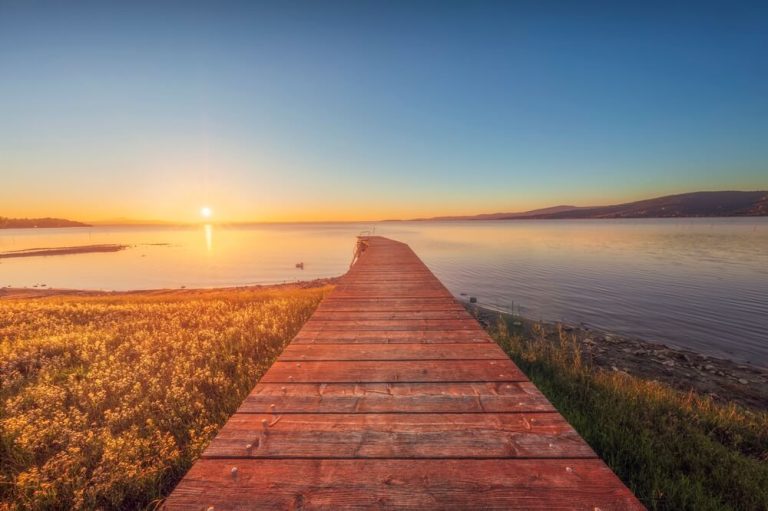
Lake Trasimeno is somewhat of a hidden gem in Umbria. At 128 square kilometres, it’s just slightly smaller than Lake Como. Yet at only five metres deep, it maintains a wonderfully mild temperature for swimming and water activities from the spring well into the autumn. Kayaks and paddle boards are available to rent. However, we recommend using a guide to help you stay safe while also getting the most out of your experience on the water. The best place to begin your visit is on Lido di Tuoro. We also recommend joining a boat tour to explore the picturesque islands of Polvese and Maggiore.
Trevi
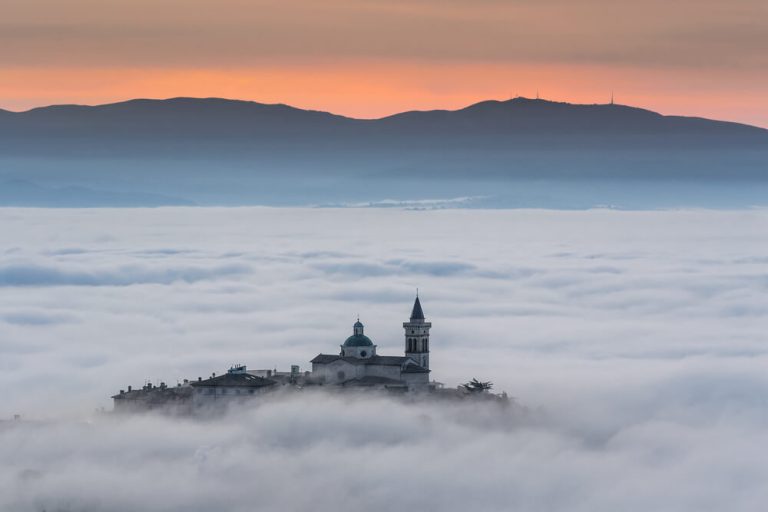
Perched on Monte Serano, Trevi towers over the iconic rolling green hills of the Spoleto valley. Like many of its neighbours, Trevi has a rich history peppered with different rulers and, while under Roman rule, it was a key town situated on the Via Flaminia. Modern day Trevi is divided into two parts: Borgo Trevi and the Centro Storico. Spend your time in the latter. Enter through one of the Medieval city gates: Porta del Bruscito, Porta San Fabiano or Porta del Cieco. Then follow the Via Roma and you will reach Piazza Mazzini, Trevi’s central square. A farmer’s market is held here every fourth Sunday of the month. It is also the setting for the abundance of festivals that Trevi hosts each year. Our favourite is the Black Celery Festival! Find out more in our guide to Trevi.
Monte Sibillini National Park
A visit to the Monte Sibillini National Park offers the chance to explore some of the most dramatic and unspoilt scenery in central Italy. Stretching across Umbria and neighbouring Marche, this protected mountain range is a haven of wild landscapes, quiet villages and outdoor adventure, perfect for travellers who enjoy nature, walking and wide open spaces. The park is defined by its rolling high plains, rugged peaks and deep valleys, with Mount Vettore standing as the highest summit. One of the most iconic areas is the Piano Grande near Castelluccio di Norcia, where vast, open fields transform each spring and early summer during La Fioritura. At this time, the plain bursts into colour with wildflowers blooming in vivid reds, yellows and purples – one of the most beautiful natural spectacles in Italy. Fans of hiking and walking will find trails suited to all levels.
Montefalco
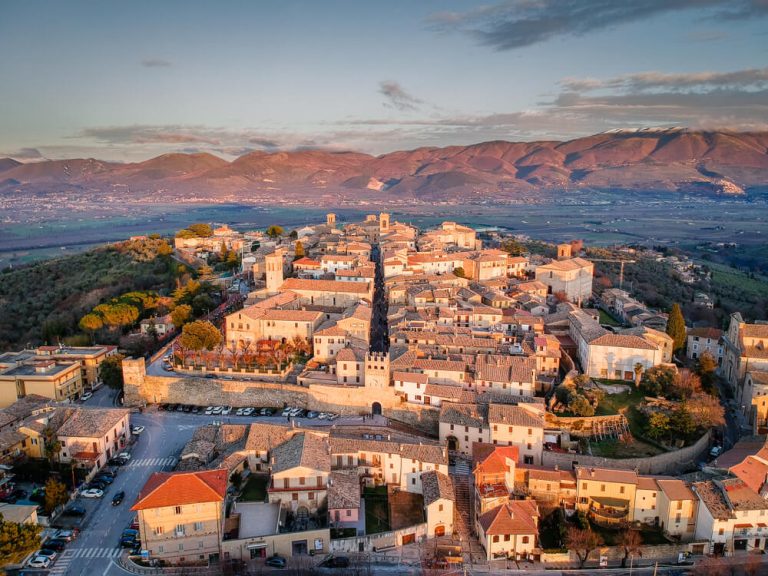
Since Roman times, Montefalco has been at the heart of Umbria’s wine production. Today, you’ll find that many of the town’s shops revolve around food and wine. This alcoholic tipple is celebrated a number of times during the year. At Easter there is the Terre del Sagrantino and on the last Sunday in May there is Cantine Aperte. At this time, you can taste the wines directly in the cellars or vineyards where they are produced. There are also 3 weeks of celebrations in the town in August as well as the Festival Calici in December.The town is beautiful and not to be missed, not least because its home to a couple of our favourite restaurants in Umbria – Locanda del Teatro and L’Alchimista.
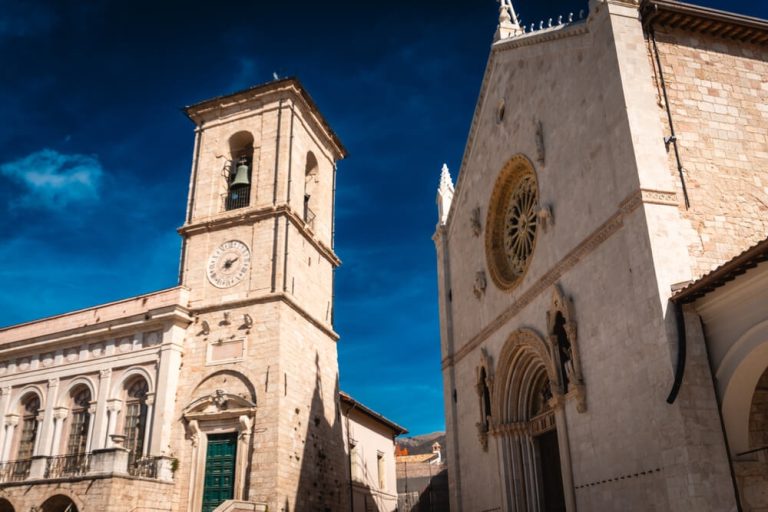
Norcia
Renowned for its exceptional food, and specifically its pork products (norcineria), cured meats and truffles, Norcia is one of Umbria’s most compelling destinations for holidaymakers seeking authenticity, beauty combined with culinary expertise. Set against the backdrop of the Sibillini Mountains, the town is also the birthplace of Saint Benedict, the founder of western monasticism. Sadly, much of the town was destroyed by an earthquake in 2016, but it is being rebuilt.
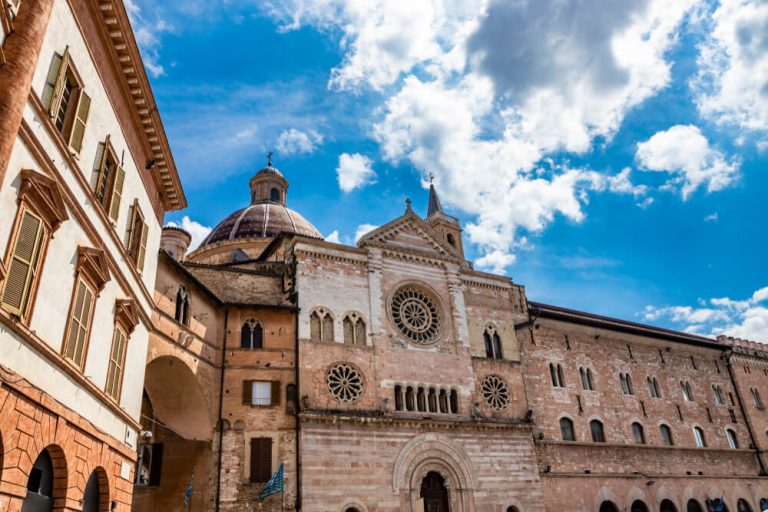
Foligno
Whilst much of Foligno dates to the mid 20th century since large parts were destroyed in WWII, it is still worth a visit, especially during the spectacle of the Palio della Quintana. This is a super exciting event during which ten horsemen must gallop along and insert their lance into a ring whose diameter decreases with each run. There are three jousts each year – in February, June and September.
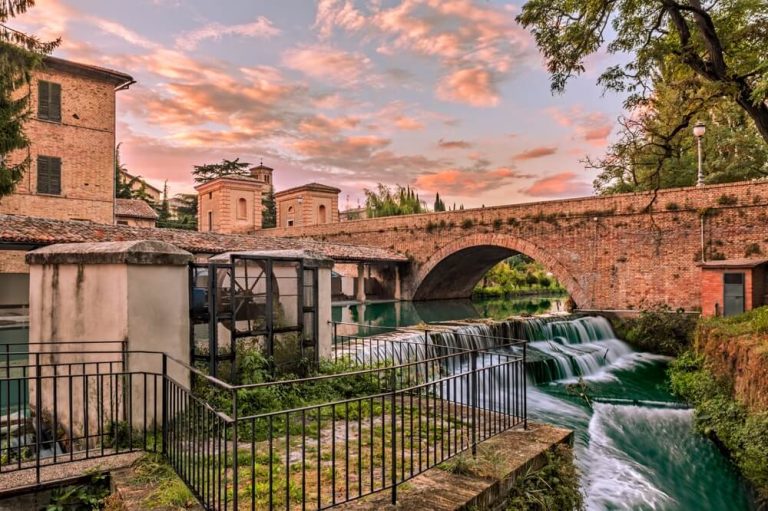
Bevagna
Another charming Umbrian town, Bevagna has very much preserved it’s medieval appearance but it’s clear to see it’s Roman roots in the layout of the streets and the glimpses of the Roman outer walls. The ruins of the Roman temple were also transformed into the church of the Madonna della Neve. There are a few small boutiques worth visiting in the town, a couple selling some wonderful cashmere goods and it’s also worth visiting the Churches of San Silvestro and San Michele Arcangelo. The city’s museum is housed in the Palazzo Lepri.
What to Eat and Drink in Umbria while on a luxury holiday
Umbrian cuisine is deeply connected to the land. The region’s food reflects its agricultural roots, with an emphasis on seasonal produce, slow cooking and simple techniques that allow ingredients to shine. Meals in Umbria are rarely rushed and are as much about tradition and togetherness as they are about flavour – although we’re sure you won’t be disappointed with the flavours either!
Strangozzi
Strangozzi is the most recognisable pasta of Umbria and a staple on menus across the region. Hand-rolled and slightly thicker than spaghetti, this pasta has a satisfying bite and is designed to carry simple, robust sauces. It’s most famously served with black truffle, but also pairs beautifully with tomato, garlic, chilli or slow-cooked meat ragù.
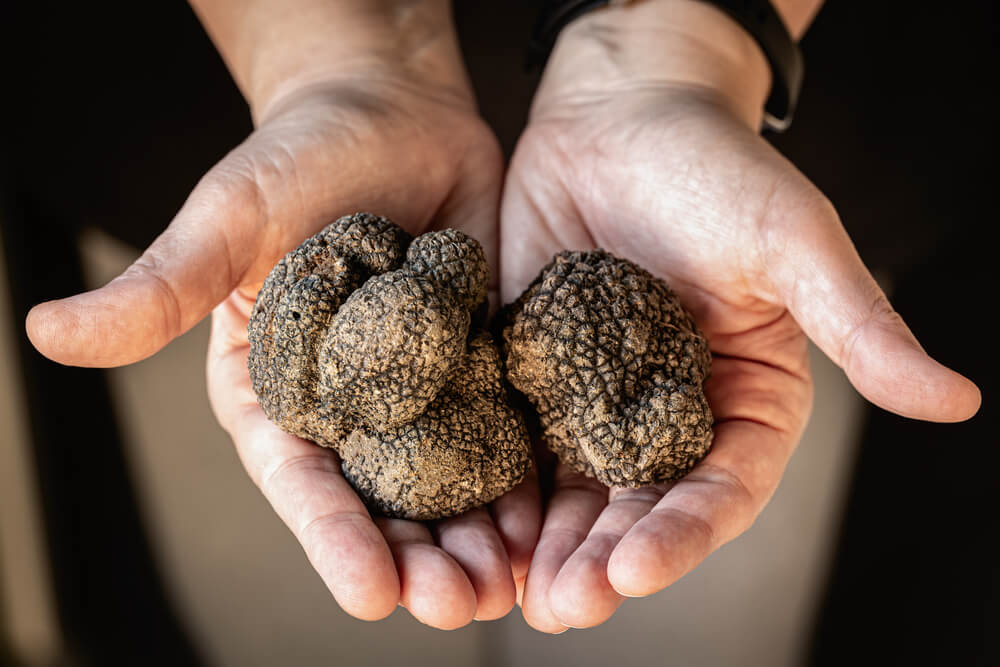
Black Truffles (Tartufo Nero)
Umbria is one of Italy’s premier truffle regions, particularly known for its black truffles harvested around Norcia, Spoleto and the Valnerina. Unlike white truffles, black truffles are often cooked or gently warmed to release their aroma. You’ll find them shaved over pasta, eggs, bruschetta and meat dishes. Truffle season varies, but black truffles are more often found during the winter months. Enjoying them at their freshest is one of Umbria’s great culinary pleasures.
Porchetta
Porchetta is a beloved Umbrian comfort food, traditionally made by slow-roasting pork seasoned with garlic, rosemary, fennel and wild herbs. Crisp on the outside and tender on the inside, it’s commonly eaten in sandwiches at markets, festivals and roadside stalls. It’s also served as a main course in traditional restaurants, often accompanied by roasted potatoes or seasonal greens.
Cinghiale (Wild Boar)
Wild boar is central to Umbrian cuisine, particularly in inland and mountainous areas. It’s most commonly found in rich ragù sauces served with pasta or as slow-braised meat, cooked for hours to tenderise the robust flavour. These dishes are deeply satisfying and pair perfectly with Umbrian red wines. If you are in Umbria during the colder months of the year, these dishes are some of the most hearty and warming on winter menus.
Torta al Testo
Torta al Testo is a traditional Umbrian flatbread cooked on a hot stone or griddle. Once cooked, it’s sliced open and filled with cured meats, cheeses, sausage or grilled vegetables. Simple yet incredibly comforting, it’s a popular choice for casual lunches and quick meals, especially in smaller towns and villages. We often find stalls at local markets serving up torta al testo – the perfect place to try one of our favourite Umbrian snacks.
Rocciata di Assisi
Often described as Umbria’s answer to strudel, rocciata is one of the region’s most traditional desserts. Originating in Assisi, it’s made by rolling thin dough around a filling of apples, walnuts, pine nuts, raisins, cocoa and spices before baking until golden. Lightly dusted with sugar and sometimes finished with a splash of liqueur, rocciata is comforting and delicious. It’s commonly enjoyed during festivals and family gatherings, but you’ll also find it in bakeries, markets and traditional restaurants across the region.
Let’s turn your dream Umbrian luxury holiday into reality
A luxury holiday in Umbria can be filled with moments that stay with you forever. It’s the scent of wild herbs floating through the evening air, the rich taste of fresh black truffles and full-bodied Sagrantino wine, and the deep sense of peace that comes from watching golden-hour light settle over the misty valleys from your private poolside terrace.
We take care of all the finer details so you can simply enjoy the magic. Whether you need a secluded hillside sanctuary with an infinity pool, a private chef to prepare authentic regional dinners, or a local driver for effortless wine tastings, we are here to make your stay truly seamless.
Take a look at our handpicked collection of luxury villas in Umbria today, and let’s start crafting your unforgettable Italian getaway!
Have questions or need personalised recommendations? Contact our team, we are always happy to help!