


Rome
Travel Guide
Everything you need to know
Where is Rome
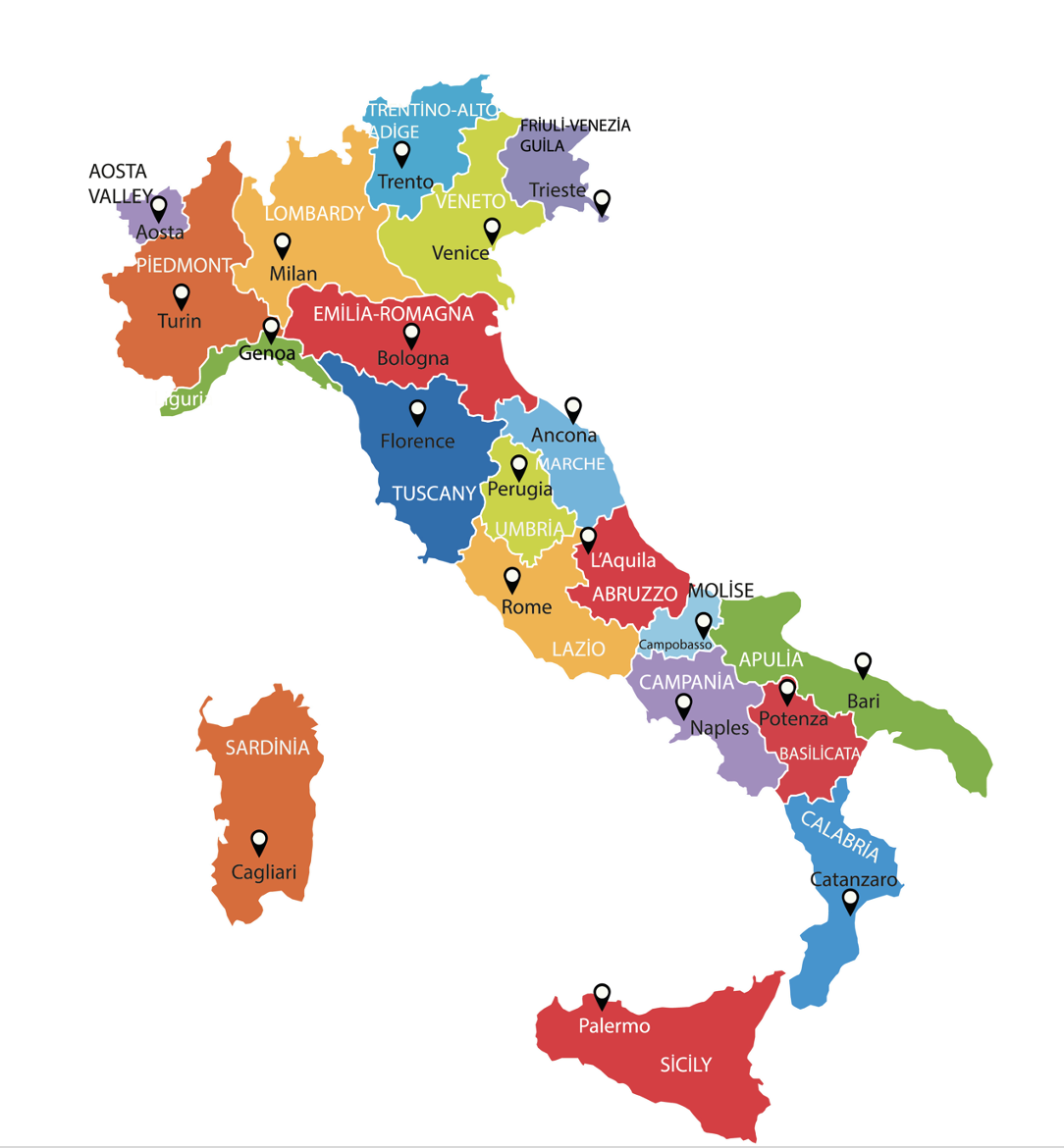
Rome is the capital city of Italy and the heart of the Lazio region. Located roughly halfway down the Italian peninsula, Rome sits about 280 kilometres south of Florence and around 570 kilometres south of Milan. The city is built along the banks of the River Tiber and lies just 30 kilometres inland from the Tyrrhenian Sea. With its international airports and extensive high-speed rail connections, Rome is easily accessible from Italy’s major cities as well as from across Europe and beyond.
Italy’s capital is divided into 15 administrative districts, known as municipi, each encompassing a mix of residential neighbourhoods, commercial areas and historic sites. However, most visitors will spend their time within the historic heart of the city. The Centro Storico forms the core of ancient Rome and contains many of its most iconic landmarks. To the west lies Trastevere, known for its cobbled streets and lively atmosphere. The Prati district, north of the Vatican, offers elegant boulevards and local restaurants, while Monti sits between the Colosseum and Via Nazionale with a more bohemian feel. The Vatican City – an independent city-state enclaved within Rome – lies just across the Tiber and is home to St Peter’s Basilica and the Vatican Museums.
How to get there
Rome is very easy to reach either using public transport or by car. It is a very competitive route meaning that travel costs don’t need to break the bank either.
By Plane
Rome’s main international airport is Leonardo da Vinci Fiumicino Airport (FCO), located around 30 kilometres southwest of the city centre. It is Italy’s busiest airport and serves as a major international hub, with direct flights from cities across Europe, North America, the Middle East and Asia. Airlines operating here include ITA Airways, British Airways, Lufthansa, Emirates and many others.
Rome’s second airport, Ciampino Airport (CIA), lies closer to the city and is primarily used by low-cost carriers such as Ryanair and Wizz Air. It serves a wide range of European destinations and can be a convenient and budget-friendly option.
From Fiumicino, the Leonardo Express train runs directly to Roma Termini station in around 30 minutes. Regional trains are also available at a lower cost but take slightly longer. From Ciampino, buses connect passengers to the city centre or to the metro network. Taxis and private transfers are widely available from both airports, with fixed fares set for journeys into central Rome. For the most up to date flight information, visit the official airport websites. Or check out our article with everything you need to know about booking flights to Italy.
By Train
Italy is one of the most rail-friendly countries in Europe and Rome is exceptionally well connected by high-speed train. The city’s main station, Roma Termini, sits close to many major sights and serves as a central transport hub.
High-speed trains connect Rome to Florence in around 1 hour 30 minutes, Milan in approximately 3 hours, and Naples in just over 1 hour. Venice can be reached in around 3 hours 45 minutes. Services are frequent, comfortable and efficient, making train travel one of the easiest ways to reach the capital.
Rome is also connected to wider Europe by rail. Travellers from the UK can take the Eurostar from London to Paris, then continue via high-speed services through Milan or Turin before heading south to Rome. The full journey takes approximately 16–18 hours, and many people choose to break it up with an overnight stop.
You can check train times, compare prices and book tickets via Trainline or Trenitalia.
By Car
If you’re arriving in Rome by car, the city is easily accessible via Italy’s Autostrada motorway network. The A1 (Autostrada del Sole) connects Rome to both Florence and Milan to the north and Naples to the south. Journey times are around 3 hours from Florence and 2 hours from Naples, depending on traffic.
Tolls apply on most major Italian motorways. Drivers either take a ticket on entry and pay on exit, or pay fixed tolls at designated points. Payment can typically be made by card or cash, although cash is gradually being phased out in some locations. For route planning and toll information, visit the official Autostrade per l’Italia website.
However, driving into Rome’s historic centre is not recommended. Much of the centre operates under a Zona a Traffico Limitato (ZTL), meaning non-resident vehicles are restricted and fines are automatically issued via camera enforcement. Parking can also be limited and expensive.
By Bus
Long distance bus travel to Rome is a cost-effective option, particularly from other Italian cities. Companies such as FlixBus operate regular routes from Florence, Milan, Bologna, Naples and beyond. Journey times vary depending on the route – around 3 hours from Florence and up to 8 hours from Milan.
Rome has several bus terminals, with many services arriving near Roma Termini or Tiburtina station. While buses are generally slower than high-speed trains, they are often significantly cheaper and can be a good choice for budget-conscious travellers. If you’re planning on visiting Rome by bus, FlixBus is a good place to start to plan routes and compare prices.
How to get around Rome
Rome is a wonderfully walkable city – at least within its historic centre. Many of the most famous sights are closer together than you might expect. It’s entirely possible to stroll from the Colosseum to the Pantheon, then on to Piazza Navona and the Trevi Fountain, all within a single morning. Wandering on foot is by far the best way to experience Rome’s atmosphere; every turn reveals another church, fountain or ancient ruin. Comfortable shoes are essential, as cobbled streets and uneven paving are all part of the charm.
That said, Rome is a large capital city, and distances can quickly add up. When you need to venture further – perhaps to the Vatican Museums or out towards Trastevere – then public transport becomes useful. Rome’s metro system is relatively small compared to other European capitals but connects many major sites. The two main lines (A and B) intersect at Roma Termini, making it easy to navigate. Trains are frequent and tickets are inexpensive, typically costing around 1.50 euro for a single 100 minute journey.
Rome also has an extensive bus and tram network that fills in the gaps where the metro does not reach. Buses are often the most practical way to cross the city, though traffic can be heavy during peak hours. Contactless payment is available on many services, and tickets can also be purchased at metro stations and newsstands.
Away from the very centre of the city and for a scenic and relaxed journey, consider using Tram 8, which runs between Piazza Venezia and Trastevere – a convenient way to reach one of Rome’s most charming neighbourhoods. If you’re heading to St Peter’s Basilica or the Vatican Museums, Metro Line A to Ottaviano is usually the quickest option.
Taxis are readily available throughout the city and can be hailed at official taxi ranks or booked via an app, the most popular of which is ItTaxi. Fares are metered and generally reasonable compared to other European capitals. While driving in Rome is possible, it is rarely advisable for visitors. Much of the historic centre operates under a Zona a Traffico Limitato (ZTL), restricting non-resident vehicles, and traffic can be unpredictable.
In short, the best way to get around Rome is a combination of walking and public transport. Explore the centre slowly on foot, then hop on the metro or a bus when your legs need a rest or when the city’s vast scale calls for wheels rather than wandering.
The Best Neighbourhoods in Rome
Choosing the best neighborhood in Rome is no easy task. Each and every district in Rome has its own individual charm but it’s useful to have a run down of what to expect from each of the area of the city before you arrive.
Centro Storico
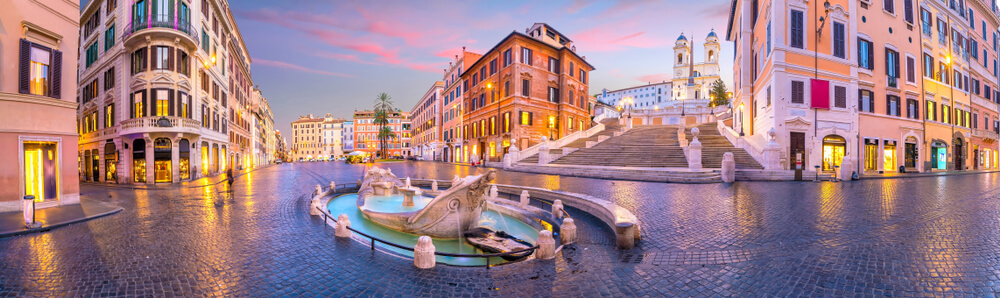
Best for first time visitors to Rome
Rome’s Centro Storico is the historic heart of the city. This is the Rome that most visitors imagine: grand piazzas, Baroque fountains, centuries old churches and winding cobbled streets lined with cafés, gelaterias and elegant boutiques. The entire area is a UNESCO World Heritage Site and is home to many of the city’s most famous landmarks, making it an ideal base for first time visitors who want to be within walking distance of the major sights.
At the centre of it all lies the Pantheon, one of the best-preserved monuments from ancient Rome. Originally built as a temple nearly 2,000 years ago, its vast concrete dome and open oculus remain an extraordinary architectural achievement. Just a short walk away is Piazza Navona, one of the city’s most beautiful squares. Built on the site of a Roman stadium, it’s famous for its elegant Baroque fountains, including the spectacular Fontana dei Quattro Fiumi (Fountain of the Four Rivers) designed by Gian Lorenzo Bernini.
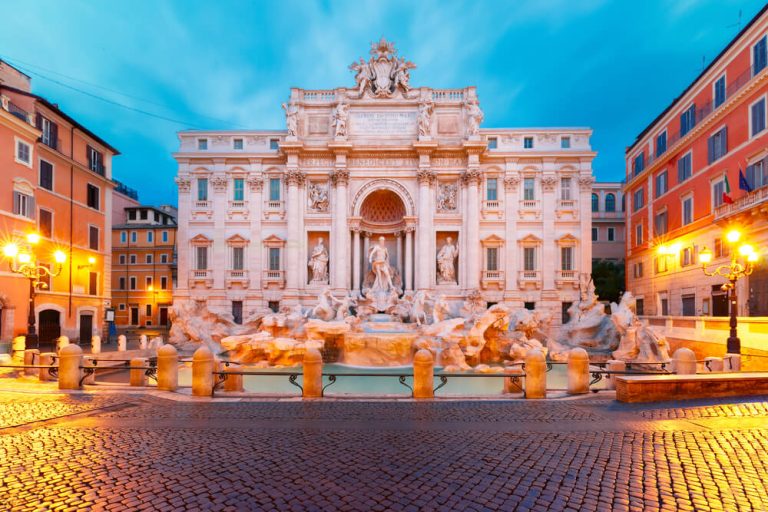
Another highlight is the iconic Trevi Fountain, where visitors toss a coin into the water to ensure a return to the Eternal City. A big hitter on a Rome bucket list and notoriously busy, it’s best to arrive here early in the morning. In an attempt to alleviate some of the congestion, the local authorities have recently introduced a 2 euro fee to enter the lower basin area of the fountain. Nearby, the elegant Spanish Steps connect Piazza di Spagna with the hilltop church of Trinità dei Monti and form one of the city’s most (and deservedly so) photographed locations.
Rome’s Centro Storico is essentially split vertically by perhaps the city’s most famous streets, Via Del Corso, with the Pantheon and Piazza Navona on one side and the Trevi fountain and Spanish Steps on the other. This makes it a great pit stop between the big sites. Via Del Corso is home to some of the best shopping in Rome which also means it draws local Romans looking for their retail therapy hit. As such, it is arguably the most ‘local’ area of the Centro Storico.
Accommodation and dining recommendations
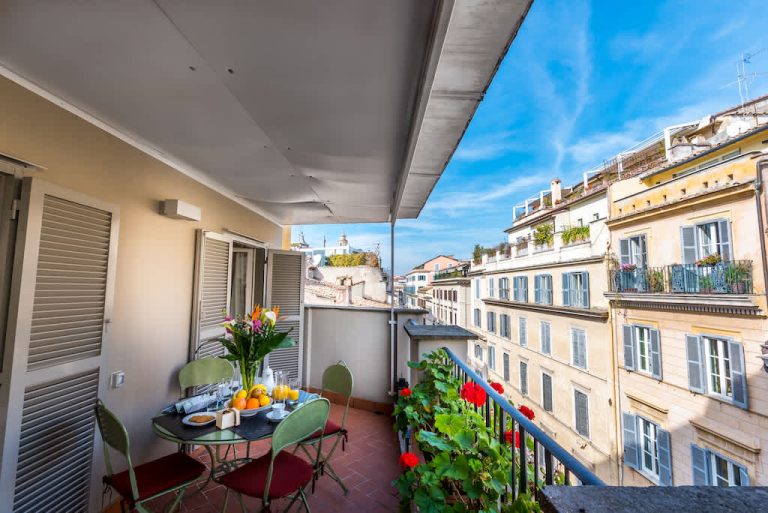
As you might expect, Rome’s Centro Storico has a wide selection of hotels and if you are visiting Rome for the first time then this is where we recommend you stay. This area is busy – pretty much day and night and arguably is slightly over touristed in places. As is typical of the tourist centre of any city, accommodation can really vary in quality. There are some hotels here that are definitely taking advantage of their central location offering highly priced rooms at disproportionately low standards. Luckily, here at Bookings For You we have a selection of stunning apartments just a few minutes walk from the Trevi Fountain and Spanish Steps. All of our apartments are in beautiful, tastefully renovated buildings and ooze ancient Roman charm alongside modern day luxuries. Discover our collection of Rome apartments.
Pasta is big business in Rome. Both carbonara and cacio e pepe are considered to be local staples and we think you should definitely try at least one or the other while in Rome. Come ‘na Vorta is a small Rome based family-run chain. They have a couple of locations in Centro Storico and they are a very reliable source of very good pasta. If pizza is more your thing then we recommend Emma Pizzeria on Via del Monte della Farina for a traditional Roman thin crust pizza.
Gelato must also be on the menu in Rome and we always recommend a trip to Gelataria Della Palma – right in the heart of the Centro Storico on Via Maddalena. This gelataria is somewhat of an institution in Rome with its main claim being that they serve 150 different flavours of ice cream! It is an amazing place but definitely not for the indecisive!
Trastevere
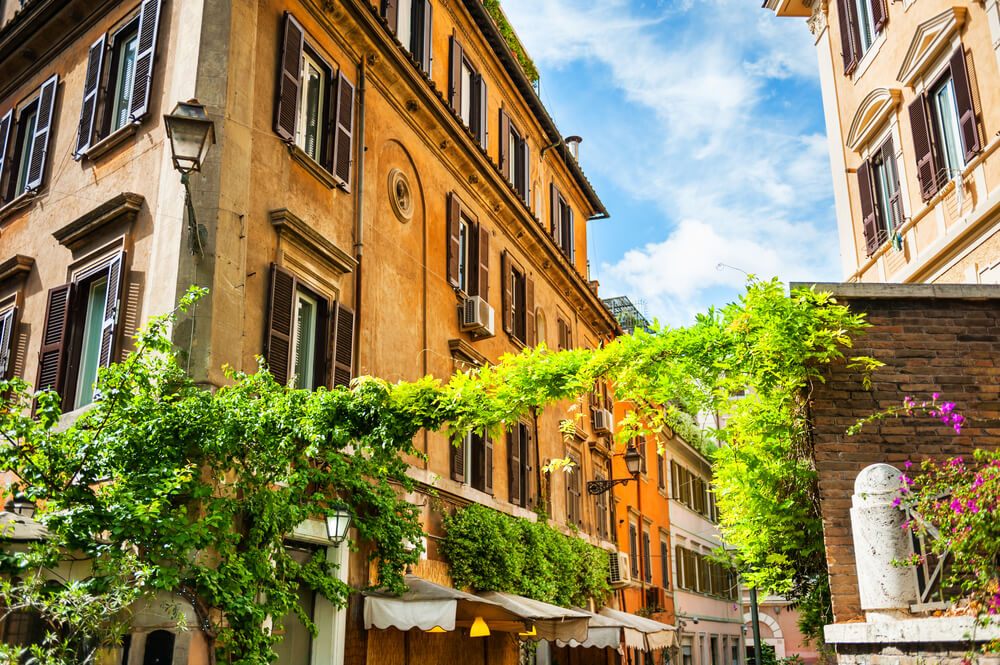
Best for night life
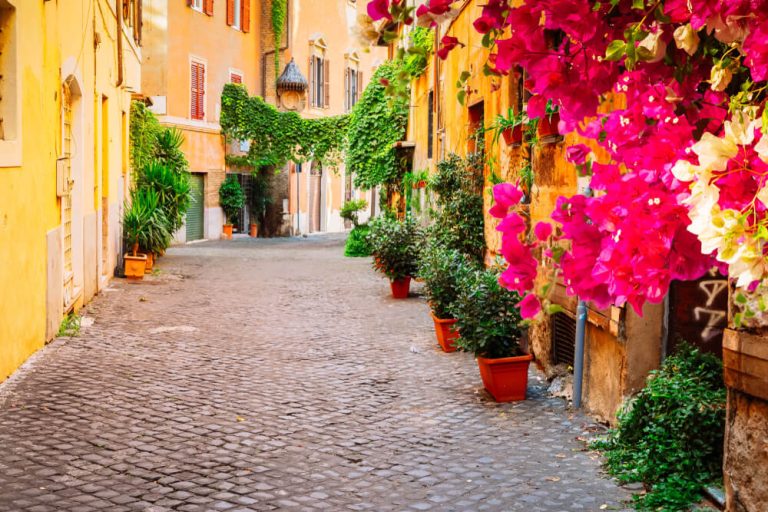
Across the Tiber from Rome’s historic centre lies Trastevere, one of the city’s most beloved neighbourhoods. Known for its colourful buildings and labyrinth of narrow cobbled streets, Trastevere has long been associated with a more bohemian, authentic side of Roman life. That said, for many years now travel guides have been recommending this neighbourhood as a more authentic area away from the more touristy districts so it is certainly not a hidden gem! Fans of urban art will love the array of graffiti that defines Tratevere. It’s a lively district that blends historic charm with a vibrant food and nightlife scene. So it will come as no surprise to read that it was this area that Anthony Doerr chose for his year in Rome which is so beautifully documented in his book Four Seasons in Rome.
The heart of the neighbourhood is Piazza di Santa Maria in Trastevere, a picturesque square surrounded by cafes and dominated by the beautiful Santa Maria in Trastevere. This church is one of the oldest in Rome and is famous for its glittering golden mosaics that date back to the 12th century.
Trastevere’s streets are perfect for wandering without a fixed plan. Laundry hangs between buildings and tiny wine bars spill out onto the pavements. During the day the area feels relaxed and residential, but in the evening it transforms into one of Rome’s liveliest dining and social scenes.
The neighbourhood also sits at the foot of Janiculum Hill, one of the best viewpoints in the city. A short walk uphill rewards visitors with sweeping panoramic views across Rome’s terracotta rooftops and iconic church domes. And if you walk over to Trastevere from the East, be sure to cross on the Ponte Garibaldi and to make a stop at Isola Tibernia – the small island between the banks of the River Tiber. Still home to one of Rome’s main hospitals, it’s quite a unique site right in the heart of Rome.
Accommodation and dining recommendations
Being just slightly away from the Centro Storico and its tourist congestion makes Trastevere a good option to look for accommodation. Trastevere has a wide range of accommodation, from charming boutique hotels to characterful apartments hidden along its narrow streets. A lovely option is Donna Camilla Savelli Hotel, set inside a beautifully restored 17th-century monastery. Its peaceful cloisters provide a welcome escape from the busy streets just outside. That said, we wouldn’t always recommend this district to young families or to those who like to get to bed early. Trastevere really does come alive at night and stays alive well into the early hours. There are plenty of hotels to choose from but unless you’re a real night owl then we recommend finding somewhere away from the busy piazzas. Opting for a Rome apartment away from Trastevere is also a good option. And with such good transport links (Metro line A) you can still enjoy a lively evening in Trastevere without needing to spend the night here too.
Food is a major draw here, with many traditional trattorias serving classic Roman dishes. It’s a particularly good place to try Amatriciana, Supplì, or slow-cooked Roman specialities in family run restaurants that have been operating for generations. A long time favourite of ours is Da Enzo al 29, a small but much loved restaurant known for perfectly executed Roman classics such as carbonara and cacio e pepe. Another excellent choice is Tonnarello in Piazza Trilussa. It’s lively and popular but serves hearty Roman dishes with generous portions and a welcoming atmosphere that captures the spirit of Trastevere.
For dessert, make your way to Gelateria del Viale for artisan gelato. Here, we highly recommend that you try the Sicilian orange – it’s one of the best ice creams we’ve ever tasted and we’ve tried more than just a few!
Prati
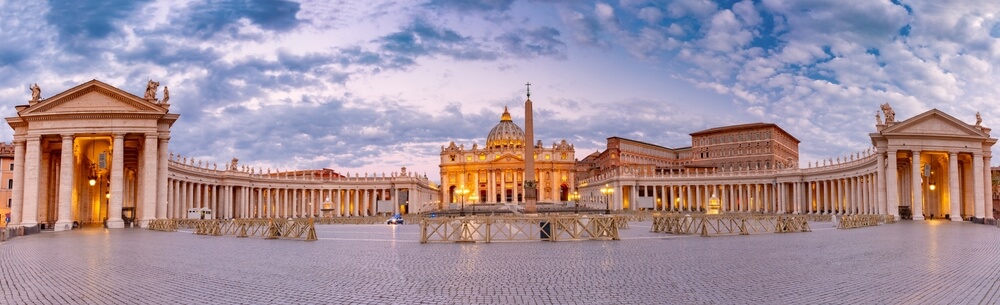
Best for elegant streets and easy access to the Vatican
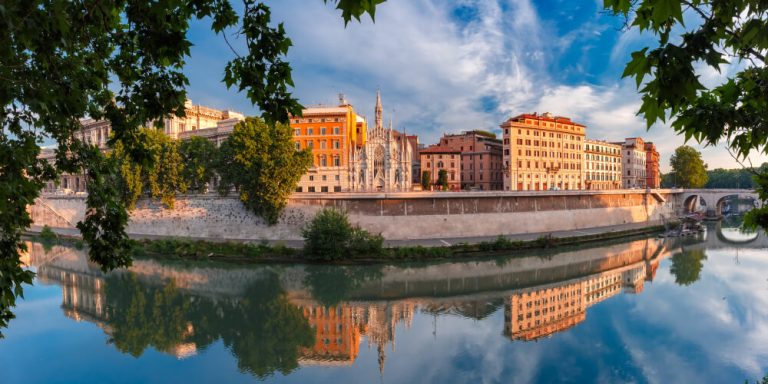
Just across the river from Rome’s Centro Storico, Prati offers a calmer and more refined alternative to the city’s older quarters. Built largely in the late 19th century after Rome became the capital of a unified Italy, the neighbourhood is defined by wide boulevards, elegant apartment buildings and an orderly grid of streets that feels quite different from the tangled lanes of medieval Rome.
Arguably the most authentic of all of Rome’s neighbourhoods, it’s where locals live and work – filled with independent shops, traditional cafés and family run restaurants. Mornings begin with the clink of espresso cups at corner bars, while residents browse delicatessens and bakeries before heading to the nearby offices that give the area a quietly professional feel.
However, Prati’s biggest draw is its proximity to the Vatican City. Within a short walk you can reach the magnificent St. Peter’s Basilica and the vast museums of the Vatican, home to masterpieces including the famous ceiling of the Sistine Chapel. Staying in Prati makes it easy to visit these iconic sites early in the morning before the crowds arrive.
The neighbourhood also boasts one of Rome’s best shopping streets, Via Cola di Rienzo. Here you’ll find everything from Italian fashion boutiques to bakeries and gelaterias, all set among elegant late 19th century buildings. It’s a lively street throughout the day and offers a pleasant alternative to the more tourist-heavy shopping districts around the Spanish Steps.
As evening approaches, Prati settles into a relaxed rhythm. Restaurants fill with locals rather than tour groups, and small wine bars hum with conversation over glasses of local wine. The atmosphere is sociable but understated, making it a great area for travellers who prefer a quieter base while still being close to Rome’s biggest attractions.
Accommodation and dining recommendations
Prati has an excellent range of boutique hotels and stylish apartments. One popular choice is Hotel Isa, a refined hotel tucked away on a quiet street just a short walk from the Vatican. Its rooftop terrace offers lovely views across the city’s rooftops and makes a wonderful spot for breakfast before a day of sightseeing.
When it comes to food, Prati is full of local favourites. One of the most loved is Pizzarium Bonci, a legendary pizza al taglio spot run by celebrated Roman baker Gabriele Bonci. The ever changing selection of toppings and light, airy dough make it one of the best places in Rome for a casual bite to eat.
For something more traditional, Trattoria Da Romolo alla Mole Adriana serves classic Roman dishes in a relaxed setting just a short walk from the river. Expect generous portions of pasta, seasonal Roman vegetables and a warm neighbourhood atmosphere.
And if you’re craving gelato after dinner, Prati has plenty of excellent options. One of the most popular is Gelateria La Romana, known for its creamy flavours and indulgent chocolate-filled cones.
Monti
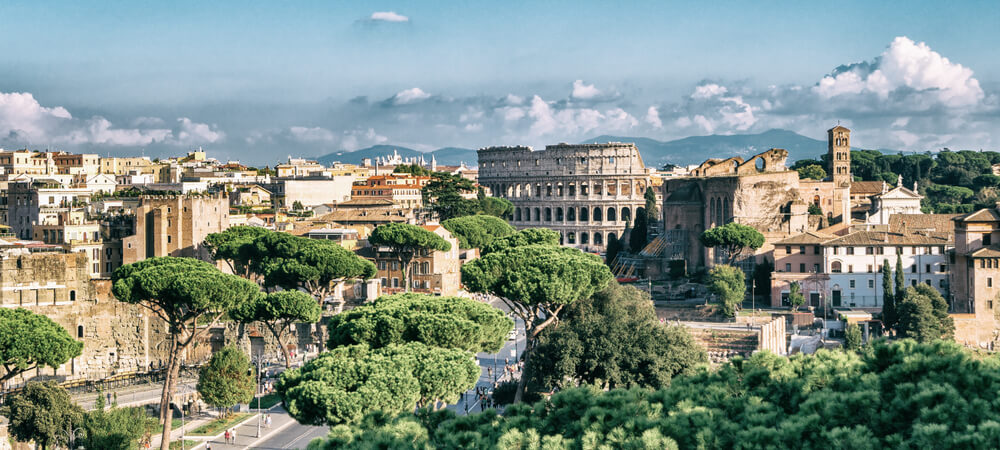
Best for village charm in the heart of ancient Rome
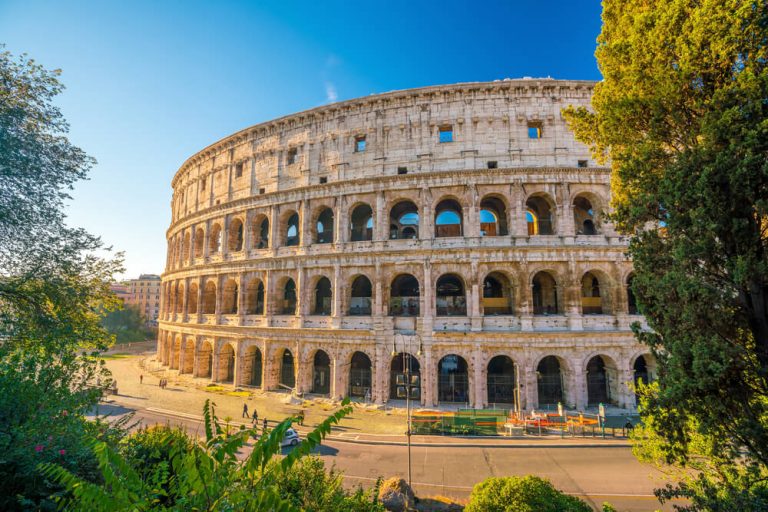
As the birthplace of Julius Caesar, this area of Rome (formerly known as Subura) has risen elegantly from its slum status during Roman times. Tucked between some of the most famous monuments in Rome, Monti manages to feel surprisingly local. The Colosseum dominates this neighbourhood and this fabulous piece of iconic Roman architecture makes for a magnificent centrepiece.
Just a few minutes from the historic centre, the neighbourhood has a relaxed, slightly bohemian character that makes it one of the most appealing places to stay in the city. Monti is one of Rome’s oldest districts and still retains a strong sense of identity. Its narrow cobbled streets filled with small independent shops are a real pleasure to discover. There’s a creative spirit here that attracts artists, designers and young Romans, giving the area an atmosphere that feels both distinctly historic and quietly contemporary.
By day, Monti moves at an unhurried pace. Locals browse vintage stores and artisan boutiques along streets such as Via dei Serpenti, while small cafes spill onto the pavements with outdoor tables. The neighbourhood’s focal point is the charming Piazza della Madonna dei Monti, where residents sit on the steps of the Renaissance fountain chatting over espresso or enjoying the afternoon sun.
Monti’s central location also places several major landmarks within easy reach. The magnificent Basilica di Santa Maria Maggiore lies just to the north, one of the city’s most important and beautiful churches. Meanwhile, the ruins of the Roman Forum and the Colosseum sit just downhill, meaning some of the greatest sites of ancient Rome are only a short walk away.
As evening arrives, Monti reveals another side of its personality. The neighbourhood has become known for its lively but laid back nightlife. Wine bars fill with locals enjoying aperitivi, small piazzas buzz with conversation and restaurants hum with the relaxed energy of long Roman dinners. It feels sociable and vibrant, yet never as crowded or frantic as some of the areas closer to the main tourist hot spots.
Accommodation and dining recommendations
If you opt to stay away from the city’s historic centre then Monti is a very good option. There are plenty of hotels to choose from but do still be mindful of places that look too good to be true. You will still be able to walk to most of the big attractions or you can opt to use Metro line B which serves this area of Rome. Our best advice if you’re staying in Monti is to try to find a hotel which has a view of the Colosseum itself – it really is magnificent – especially when it’s lit up at night. Many hotels in Rome have roof terraces offering gorgeous vistas of the city and some also have a pool which is a real bonus if you’re travelling in the summer.
One excellent option is Hotel Grifo, a charming family run hotel set on a quiet street close to Via dei Serpenti. Rooms are good value and the rooftop terrace offers wonderful views across the city – a perfect spot for a relaxed evening drink after a day exploring the city.
When it comes to food, Monti has some outstanding options. A long standing local favourite is La Taverna dei Fori Imperiali, a traditional trattoria just a short walk from the Colosseum. The restaurant has been run by the same family for generations and serves classic Roman dishes such as cacio e pepe, amatriciana and slow cooked veal.
For a more casual atmosphere, head to Ai Tre Scalini in Piazza della Madonna dei Monti. This historic wine bar (which also serves food) is known for its excellent selection of Italian wines and simple but delicious plates. We think it’s perfect for aperitivo or a relaxed late night meal. Tables spill onto the square, making it one of the best places in the neighbourhood to soak up Monti’s lively evening atmosphere.
And if you’re looking for something sweet after dinner, Monti has plenty of small gelaterias and bakeries hidden along its winding streets. Pick up a cone, sit by the fountain in Piazza della Madonna dei Monti and watch the neighbourhood drift into the night.
San Lorenzo
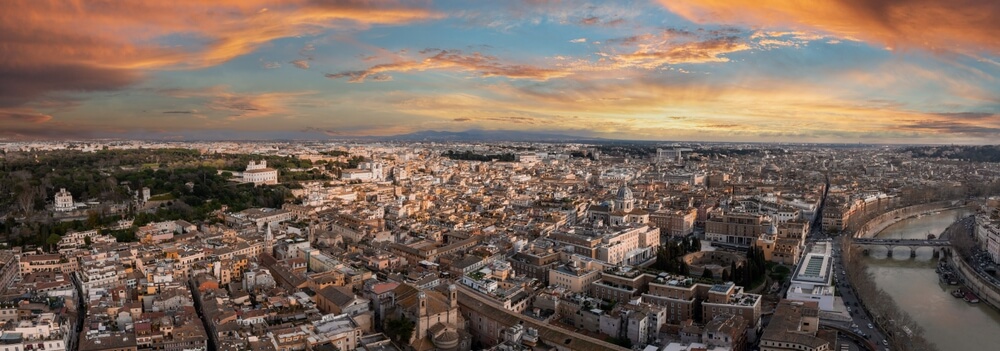
Best for Budget Travellers
San Lorenzo is our least favourite neighbourhood in Rome. It’s worth remembering that Rome sets the bar high so it’s not necessarily an area to avoid, it’s just not the place we would choose to stay. As with most urban areas, being close to the city’s main train station often means that practicality prevails over beauty and there are places where this is true for San Lorenzo.
The neighbourhood developed in the late 19th century as a working class district close to the railway lines and factories that once surrounded the city. Today its identity is shaped by the nearby Sapienza University of Rome, one of Europe’s largest universities, which brings thousands of students into the area every day.
San Lorenzo’s streets are filled with independent cafés, vintage shops, music venues and casual eateries. Colourful murals and graffiti decorate building walls, giving the neighbourhood a vibrant urban feel that contrasts with the grandeur of central Rome.
And, even this more modern district can give visitors a taste of history. The neighbourhood was heavily bombed during the Bombing of San Lorenzo, one of the first Allied air raids on Rome during the Second World War. So tourists here can visit several memorials and preserved buildings that still mark this moment in the district’s past.
As night falls, San Lorenzo becomes one of Rome’s most energetic nightlife hubs. Bars, live music venues and late night pizzerias attract students and young locals, creating a lively and informal atmosphere that often continues well into the early hours.
Accommodation and dining recommendations
We don’t usually recommend that visitors to Rome stay in San Lorenzo. While you may find some quite reasonably priced hotel accommodation in San Lorenzo, too often it’s a case of you get what you pay for and standards can be low. Opting to make the short journey over the Centro Storico and finding an authentic Rome apartment is always a better option. That said, if you are a student or are travelling on a budget then this is the best neighbourhood to find budget hotels and hostels.
Food here is casual, affordable and often excellent. A neighbourhood favourite is Pommidoro, a long standing trattoria famous for its traditional Roman cooking and welcoming atmosphere.
For pizza lovers, Formula 1 is something of a local institution, serving classic Roman thin crust pizzas in a bustling, no-frills setting that perfectly reflects the neighbourhood’s laid back spirit.This is the kind of place where two of you can dine with a drink for under 30 euros – and you will leave feeling full of some of the finest pizza in Rome.
And if you’re out late, San Lorenzo’s bakeries and takeaway pizza counters stay open well into the night – perfect for grabbing a bite and soaking up the neighbourhood’s lively student energy.
Things to do in Rome
History
Rome’s history spans more than two millennia. Just being in the city is a totally immersive historical experience. To begin, visit the mighty Colosseum, where gladiators once fought before tens of thousands of spectators. Even today, its scale is astonishing, and stepping inside offers a powerful glimpse into the spectacle and social structure of ancient Roman life.
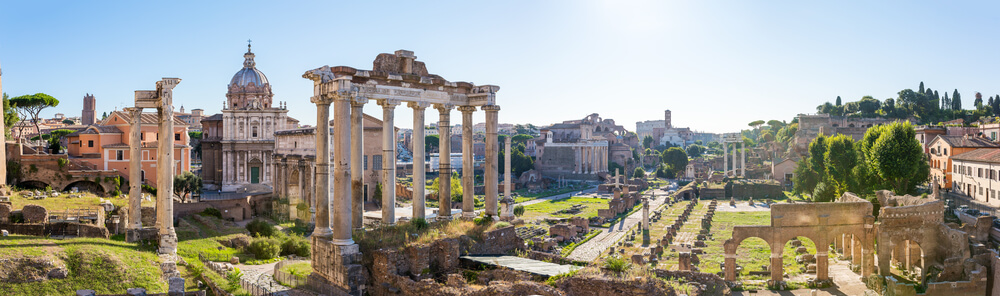
From here, continue to the nearby Roman Forum, once the political, commercial and religious centre of the empire. Walking among its ruins (past temples, basilicas and triumphal arches) requires a little imagination as these historical wonders are almost on top of each other. To truly appreciate what you’re seeing, consider a guided tour or audio guide, which can help bring the ancient city back to life.
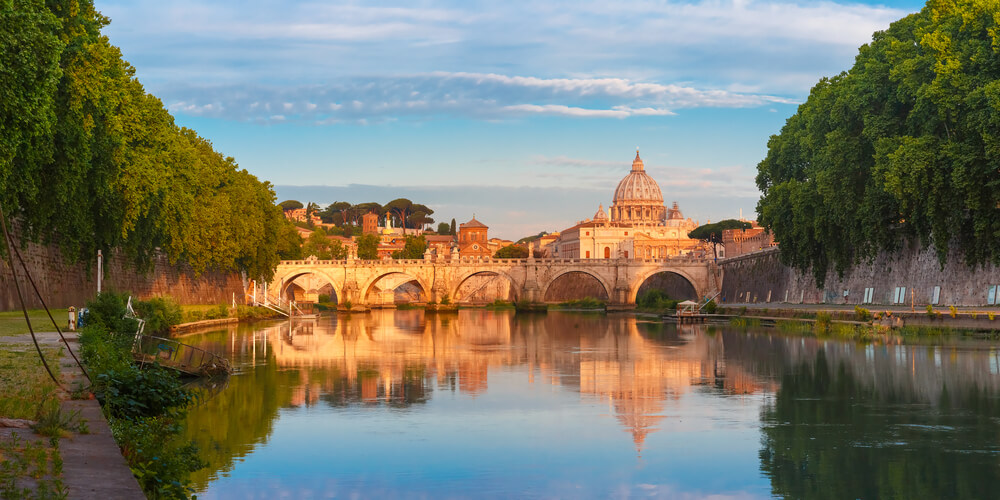
Rising above the Forum, Palatine Hill is one of the most atmospheric spots in Rome. According to legend, this is where Romulus founded the city. Today, it’s home to the remains of imperial palaces and offers some of the best panoramic views in Rome, stretching across the Forum and beyond.
For those wanting to go deeper, Rome’s history doesn’t stop at ground level. The Appian Way, one of the oldest roads in the Roman Empire, offers a fascinating journey, lined with ancient tombs and ruins. Beneath the surface, the catacombs reveal an entirely different side of Rome: a network of underground burial sites dating back to the early Christian era. If you fancy somewhere a little quieter than Rome’s big hitting ancient sights this is a great place to come up for air and quite literally take a journey back in time.
Remember to book skip the line tickets in advance to avoid wasting time in a long queue. Check availability here. To book a combined guided tour of Rome’s historical sights click here.
Art and Architecture
Rome is an open air gallery, where every era has left its mark. From ancient engineering to Renaissance harmony and Baroque drama, the city offers an extraordinary visual experience and can wow even those who claim to have little interest in art and architecture.
A visit to the Pantheon is essential. Its concrete dome, perfectly proportioned and still the largest unreinforced dome in the world, remains one of the greatest architectural achievements in history. The oculus at its centre allows natural light to pour in, shifting throughout the day and creating an ever changing atmosphere inside.
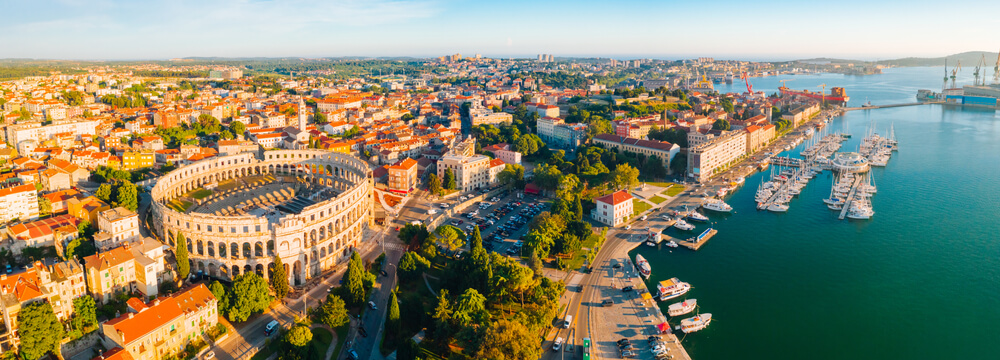
Just a short walk away, Piazza Navona captures the elegance of Baroque Rome. Built on the site of an ancient stadium, its long, curved shape is lined with cafés and fountains, including Bernini’s dramatic Fountain of the Four Rivers. It’s a wonderful place to pause and soak in the city’s artistic energy.
No visit to Rome would be complete without exploring Vatican City. The Vatican Museums house an immense collection of art gathered over centuries, leading to the breathtaking Sistine Chapel, where Michelangelo’s ceiling frescoes leave a lasting impression. Nearby, St. Peter’s Basilica is equally awe inspiring, both for its artistic treasures and its sheer scale. As one of Rome’s most popular sights we always recommend booking skip the line tickets in advance for the Vatican Museums. Get yours here.
Elsewhere in the city, don’t miss the theatrical beauty of the Trevi Fountain, where sculpture and architecture merge in dramatic fashion, or the elegant sweep of the Spanish Steps. Even smaller churches often contain remarkable works of art, making it worth stepping inside whenever you can.
Green Spaces
While Rome is best known for its history and architecture, its green spaces offer a welcome contrast to the energy of the city. These pockets of calm provide a chance to slow down, recharge and see a different side of Rome. If you’re visiting Rome during the summer months you will find these areas the perfect spot to sit down in the shade for a cold drink or gelato.
One of the most popular green spaces in Rome can be found at Villa Borghese, a beautifully maintained park just north of the historic centre. Its wide, tree lined avenues are perfect for a leisurely stroll or bike ride, while open lawns and shaded areas make it an ideal spot for a picnic. It’s a place where both locals and visitors to Rome come to relax.
Within the park, the Borghese Gallery offers a more refined cultural experience. Home to masterpieces by Bernini, Caravaggio and Raphael, it’s one of Rome’s most impressive galleries. Remember though advance booking is essential due to limited entry.
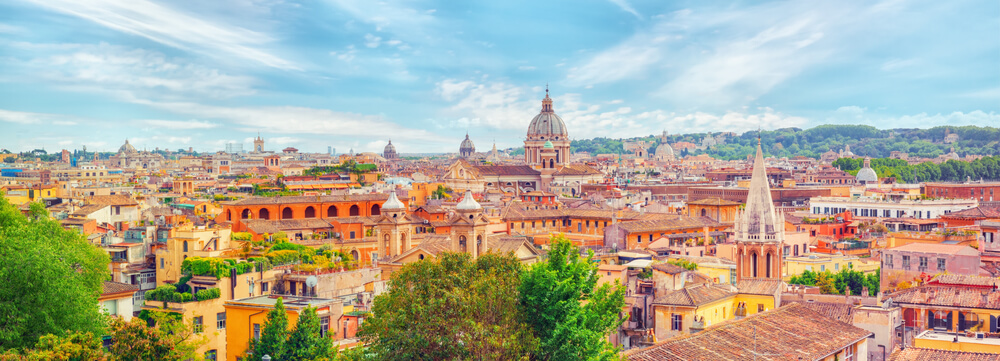
For something much smaller we recommend a visit to Parco Savello. Sitiuated just south west of the Colosseum and perched on the peaceful Aventine Hill, this green space in Roem is most well known for its Giardino degli Aranci (the Orange Garden) and is one of Rome’s most serene and scenic spots. The park occupies the site of a medieval fortress built by the Savelli family in the late 13th century, itself constructed over an earlier 10th century stronghold belonging to the Crescenzi family.
Today, the remains of those ancient fortifications still frame the garden, with sections of the original walls enclosing this elegant green space. Despite its relatively small size, the park offers one of the best viewpoints in Rome. From its terrace, you can enjoy sweeping views across the city – from a curve in the River Tiber all the way to the dome of St. Peter’s Basilica.
The garden takes its name from the orange trees that line its pathways. These were planted in honour of Saint Dominic, who established a convent here in the 13th century. Legend has it that one of the original trees still survives nearby in the cloister of Santa Sabina, visible through a small opening in the church’s portico wall.
Food and Drink
Food in Rome is more than just a meal – it’s an experience, a ritual and a central part of daily life. Exploring the city through its cuisine is one of the most enjoyable things you can do, and there are plenty of ways to turn eating and drinking into memorable activities.
Start with the classics. Dishes such as cacio e pepe, carbonara and amatriciana are simple but packed with flavour, relying on just a handful of high-quality ingredients. Sitting down in a traditional trattoria and working your way through these iconic dishes is an experience in itself. One that’s best enjoyed slowly, with a glass of local wine.
To fully immerse yourself in Roman cuisine, consider joining a food tour in the foodie meccas of Trastevere or Testaccio. These guided experiences take you beyond the obvious, introducing you to family run bakeries, local markets and hidden eateries while offering insight into Rome’s culinary traditions. It’s a fantastic way to discover places you might otherwise miss. Today Rome’s food tours can be enjoyed on bikes, rickshaws and even on a golf cart! You can of course also opt for the traditional walking tour. Discover the best Rome food tours here.
If you’re keen to be more hands on, cooking classes are another popular option. Learning how to make fresh pasta or tiramisu from scratch – often in a relaxed, small-group setting, gives you a deeper appreciation for Italian cuisine and a skill you can take home with you too. Book your cooking class in Rome here.
Street food plays an important role in Rome’s food culture. Sampling supplì (crispy fried rice balls with a molten centre) or grabbing a slice of pizza al taglio is perfect when you’re on the move between sights. For an authentic local Roman experience, visit markets such as Campo de’ Fiori, where you can browse fresh produce, taste regional specialities and soak up the lively atmosphere.
As evening approaches, embrace the ritual of aperitivo. Head to neighbourhoods such as Trastevere or Monti, find a lively bar and order a spritz, a negroni or a glass of local wine. Many places will serve small snacks alongside your drink, making it a relaxed and sociable way to ease into the evening.
Wine lovers may also enjoy a guided wine tasting, where you can sample regional varieties from Lazio and beyond while learning about Italy’s rich winemaking traditions. Alternatively, simply choose a cosy enoteca (wine bar), ask for recommendations and take your time discovering new favourites.
Off the Beaten Track Rome
Rome’s headline attractions are extraordinary. However, some of the city’s most memorable moments happen away from the busiest piazzas. Step beyond the Colosseum and the Vatican, and you’ll uncover quieter corners that reveal a more intimate and authentic side of the Italy’s capital city.
One of our favourite ways to experience this is by wandering through the lesser-known streets of Trastevere early in the morning. Before the crowds arrive, its ivy clad buildings, cobbled lanes and sleepy piazzas feel almost village like. Look out for small bakeries opening for the day and locals stopping for their morning espresso. It’s a glimpse into everyday Roman life that’s easy to miss amongst the hustle and bustle of more high profile Rome.
An often overlooked sight is the Knights of Malta Keyhole on the Aventine Hill. Peering through this unassuming keyhole reveals a perfectly framed view of St. Peter’s Basilica, aligned through a garden avenue. It’s a simple yet magical experience and one that many visitors to Rome miss.
Nearby, the peaceful Giardino degli Aranci offers one of the most beautiful panoramic viewpoints in Rome. With its symmetrical rows of orange trees and sweeping views across the city, it’s an ideal place to pause and take in the skyline away from the crowds.
Art lovers looking for something quieter should head to the Galleria Doria Pamphilj. This is a privately owned palace filled with masterpieces by Caravaggio, Velázquez and Titian. Despite its incredible collection, it remains far less crowded than many of Rome’s larger museums, allowing for a more relaxed experience.
For a step back into ancient Rome without the crowds, visit Baths of Caracalla. These thermal baths are among the most well preserved in the city and offer a fascinating insight into daily life in Roman times. The scale is impressive, yet the atmosphere is often far more relaxed than the other big hitting Roman attractions.
Finally, for a truly local experience, explore the neighbourhood of Testaccio. Often considered the heart of traditional Roman cuisine, it’s here that you’ll find authentic markets, family-run trattorias and a more down to earth side of the city. Visit the Testaccio Market for street food, or simply wander the streets and soak up the atmosphere.
Best Sights to Visit in Rome
Rome is a city where history isn’t confined to museums. A trip to Rome is completely immersive and history surrounds you at every turn. Ancient ruins sit beside Baroque fountains, Renaissance churches rise above lively piazzas and world famous landmarks appear almost unexpectedly as you wander through the streets. While it’s impossible to see everything in one trip, there are certain sights that define the Eternal City and should be part of any visit to Rome.
If you don’t fancy piecing together an itinerary and booking entrance tickets separately, consider booking a day or half day tour of Rome’s major sights and attractions with the The Tour Guy.
The Colosseum
No visit to Rome would be complete without seeing the Colosseum. This vast ancient amphitheatre once hosted gladiatorial contests, public spectacles and dramatic performances for tens of thousands of spectators. Today, it remains one of the most recognisable symbols of the Roman Empire and one of the most visited landmarks in the world.
Seeing it for the first time is a genuine wow moment. Its sheer scale and weathered, but perfectly preserved, stone arches give a sense of its grandeur as well as its importance in history. Exploring inside allows you to better understand how the arena once functioned. Discover the underground hypogeum where animals and gladiators were held and of course the tiered seating that reflected Rome’s strict social hierarchy.
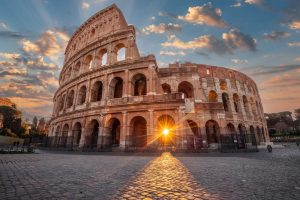
For the best experience, book Colosseum tickets in advance and consider a guided tour to fully appreciate the stories behind its walls. If you have time we recommend visiting the colosseum both during the day for a guided tour and then at night to see it lit up as one of Rome’s most iconic landmarks.
The Roman Forum and Palatine Hill
Just beside the Colosseum lies the Roman Forum, once the political, commercial and social heart of ancient Rome. As you wander through these ancient ruins, you’ll pass the remains of temples, basilicas and triumphal arches that once formed the heart of the Roman Empire. It’s worth taking your time here or joining a guided tour, as the stories behind the ruins bring the site to life in a way that signage alone cannot.
Again we recommend booking skip the line tickets in advance of your trip. Very often it’s cost effective to book a combined ticket with the colosseum and it makes sense to visit these sights in succession as they are almost neighbours. Check availability here.
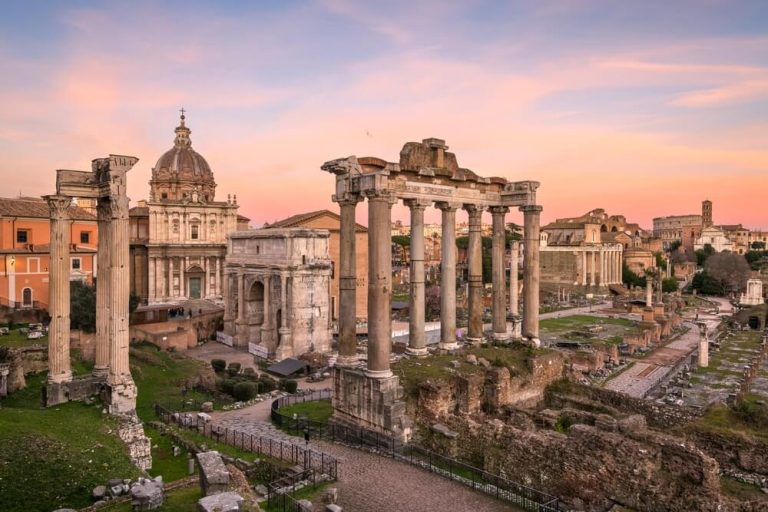
Above it rises Palatine Hill, one of the city’s seven hills and the legendary birthplace of Rome. From here, you’ll enjoy sweeping views across the Forum and the city beyond. It’s a must when in Rome – from the hilltop you can get a powerful reminder of Rome’s ancient grandeur.
Vatican City, St Peter’s Basilica & the Vatican Museums
The independent state of Vatican City is home to some of the most important religious and artistic treasures in the world. At its heart stands St. Peter’s Basilica, an immense and awe-inspiring church that dominates the skyline with its vast dome. Inside, you’ll find masterpieces of Renaissance art, including Michelangelo’s Pieta, along with soaring marble columns and intricate mosaics that create a sense of grandeur on an almost unimaginable scale. Climbing to the top of the dome is well worth the effort, offering breathtaking views across the city.
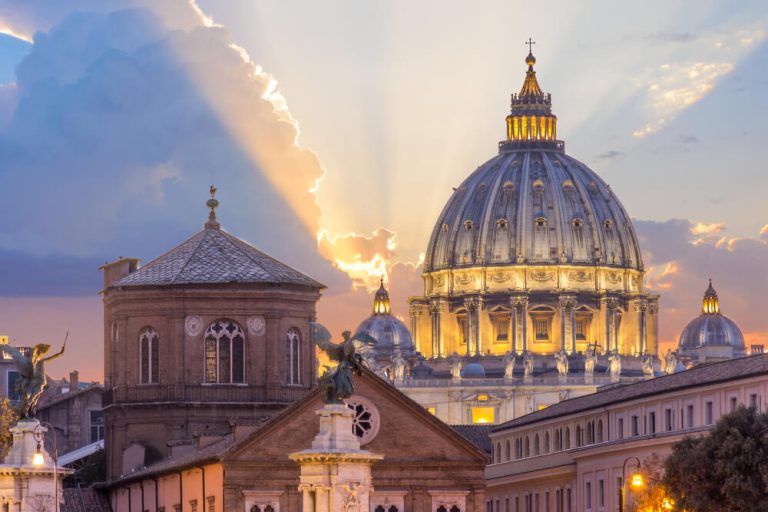
Nearby, the Vatican Museums house an extraordinary collection of art accumulated by the popes over centuries, culminating in the breathtaking Sistine Chapel. This is one of Rome’s most popular attractions, so booking in advance is essential.
To really appreciate these sights in Rome, you need to allow plenty of time and plan in advance by booking skip the line entry tickets. Rome is far too good to waste even a few minutes standing in a queue! Get yours here.
The Pantheon
Few buildings in the world are as impressive or as well preserved as the Pantheon. Originally built as a Roman temple, its iconic concrete dome and central oculus remain a marvel of ancient engineering almost 2,000 years after it was built.
From the outside, the Pantheon appears almost understated. A classical portico with towering Corinthian columns leads into the building, hinting at its ancient origins. But it’s only once you step through the doors that its true scale is revealed.
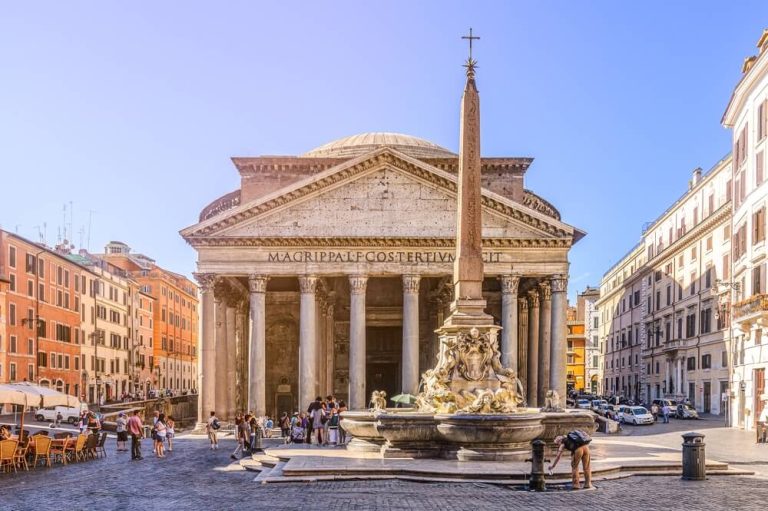
The vast circular interior is crowned by one of the largest unreinforced concrete domes ever constructed – an architectural achievement that still fascinates engineers today. Light streams through the open roof, creating a calm and almost spiritual atmosphere that contrasts beautifully with the busy piazza outside.
The Pantheon is one of those rare sights that lives up to and often exceeds expectations. Whether you’re interested in history, architecture or simply soaking up the atmosphere, it’s a place you’ll likely find yourself returning to more than once during your stay. Again, book skip the line entry tickets to the Pantheon.
Trevi Fountain
The Trevi Fountain is one of Rome’s most theatrical and romantic landmarks. This grand Baroque masterpiece depicts Neptune, the god of the sea, emerging dramatically from the water, surrounded by sculptures that seem to come alive against the backdrop of a palazzo façade.
It’s famous for the tradition of tossing a coin over your shoulder into the fountain, which is believed to guarantee your return to Rome. Whether you believe the legend or not, it’s a moment that many visitors enjoy.
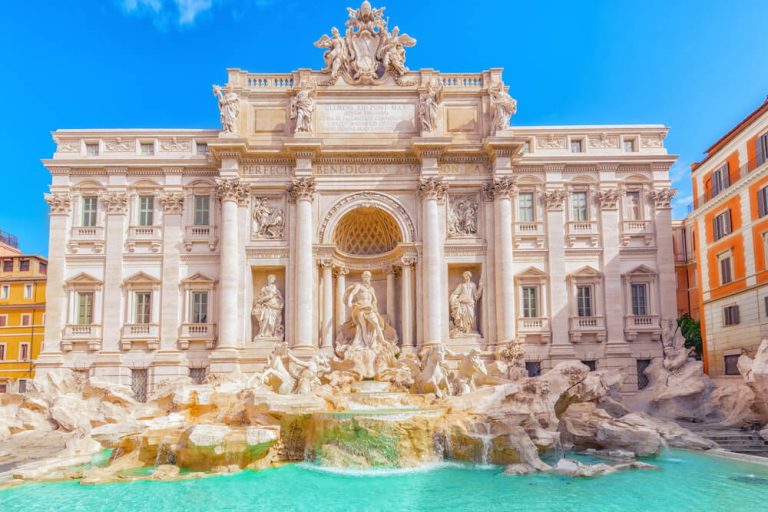
The Trevi Fountain is busy at almost all hours of the day, often surrounded by crowds. For a more peaceful experience, visit early in the morning or late at night when the crowds thin and the fountain is beautifully illuminated. Remember that there is now a 2 euro fee to enter the lower basin of the fountain.
The Spanish Steps
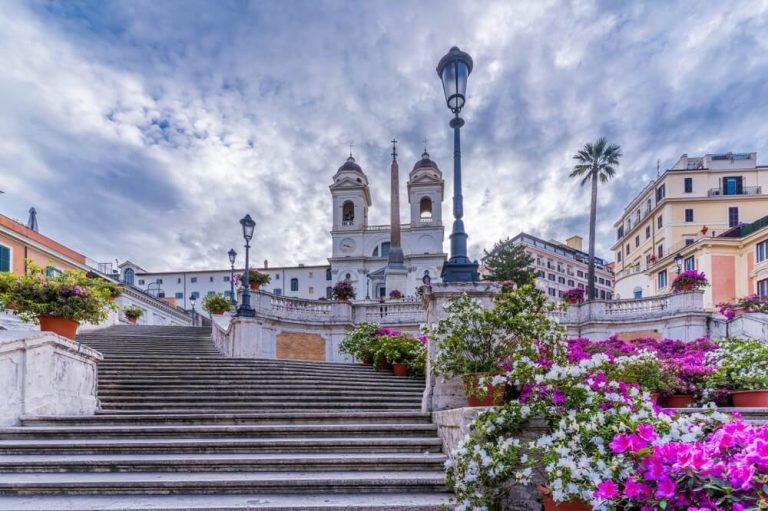
The Spanish Steps are one of Rome’s most famous gathering places. Rising from Piazza di Spagna to the church of Trinità dei Monti, the steps provide a beautiful vantage point over the surrounding streets.
They are particularly popular in the early evening, when both locals and visitors gather to enjoy the atmosphere. While sitting on the steps is now restricted to help preserve them, the area remains a lively and enjoyable place to spend time.
The surrounding streets form one of Rome’s most prestigious shopping districts, with high end boutiques and designer stores lining nearby avenues. Even if shopping isn’t on your agenda, it’s worth exploring the area for its energy.
Piazza Navona
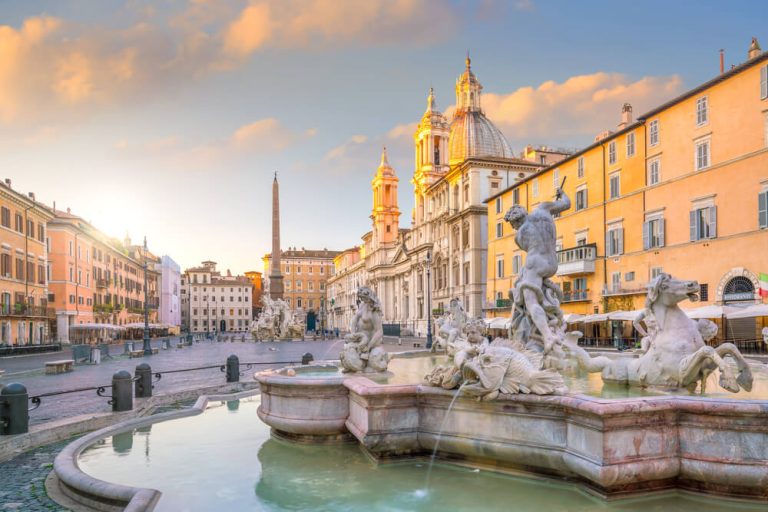
Elegant, lively and full of character, Piazza Navona is one of Rome’s most beautiful squares. Built on the site of an ancient Roman stadium, it has retained its long, oval shape and feels almost theatrical in its design.
At its centre stands the spectacular Fountain of the Four Rivers, a masterpiece designed by Gian Lorenzo Bernini. The square is framed by elegant buildings, cafes and street artists, creating a constant buzz of activity throughout the day.
It’s the perfect place to pause during a day of sightseeing. Sit at a café, enjoy a coffee or aperitivo and simply watch the world go by. In the evening, the atmosphere becomes even more magical as the square is softly lit and filled with a relaxed, sociable energy.
Castel Sant' Angelo
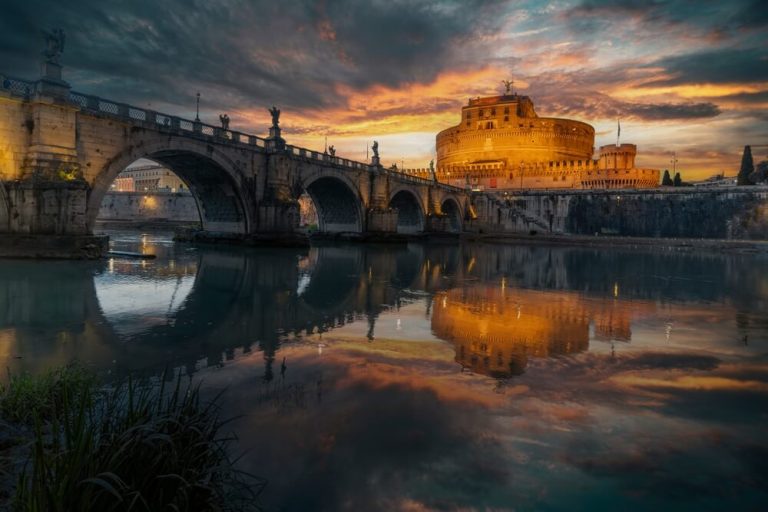
Originally built as a mausoleum for Emperor Hadrian, Castel Sant’Angelo has served many roles throughout its long history. These range from fortress to papal residence and this magnificent castle was once even a prison.
Today, it offers one of the most interesting and layered historical experiences in Rome. As you move through its spiral ramps and fortified rooms, you’ll uncover different chapters of the city’s past, each adding to its unique character.
The highlight for many visitors is the rooftop terrace. From here, you’ll enjoy panoramic views over the River Tiber and across to St Peter’s Basilica. The view at sunset is particularly special, making this a wonderful place to end a day of sightseeing.
Book tickets to the Castel Sant’ Angelo in advance to avoid long queues and consider arriving early in the day to avoid the crowds.
What to Eat and Drink in Rome
Like any visit to Italy, arriving in Rome means one thing above all else – an extraordinary time at the table. Romans take enormous pride in their food and quite rightly so. The cuisine here is honest, deeply rooted in tradition and utterly delicious. We’ve never had a bad meal in Rome, but there are definitely some dishes you simply must try while you’re here.
Eating well in Rome isn’t difficult, but there are a few things worth bearing in mind. Restaurants on the main tourist piazzas tend to be significantly worse value than those just a street or two away. As a general rule, if a restaurant has a menu with photographs and someone standing outside trying to entice you in, keep walking. The best meals in Rome are found in unpretentious trattorias with handwritten menus, where the pasta del giorno changes daily and the house wine comes in a ceramic jug.
The Trastevere, Testaccio and Prati neighbourhoods are all excellent areas for finding authentic, high quality dining. Testaccio in particular has a long association with Rome’s food culture — it was historically home to the city’s slaughterhouse, which gave rise to the tradition of cucina povera dishes using the less fashionable cuts of meat. Today, the neighbourhood’s Mercato di Testaccio is one of the best food markets in the city and a wonderful place to graze on local produce, fresh pasta, supplì and much more.
Finally, don’t rush. Romans don’t. A meal in Rome is a generous, unhurried affair and the city’s restaurants are not designed to turn tables quickly. Settle in, order a carafe of house wine, take your time between courses and ask your waiter what they’d recommend. You’ll almost always eat better for it.
Cacio e Pepe
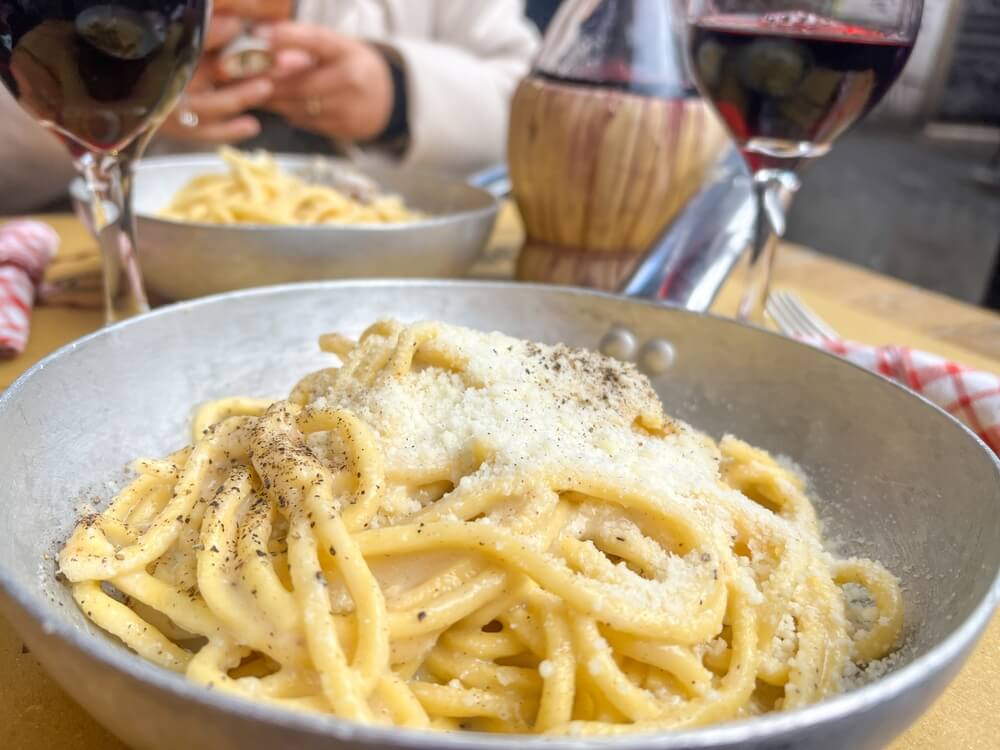
If there is one dish that defines Roman cooking, it’s cacio e pepe. Don’t be fooled by its simplicity – just pasta, Pecorino Romano cheese and black pepper – because getting it right is an art form. In the hands of a skilled Roman cook, the result is intensely creamy, peppery and completely addictive. Seek it out in a traditional trattoria away from the main tourist streets and you’ll quickly understand why Romans are so fiercely protective of it. Tonnarelli or bucatini are the pasta shapes of choice and our only advice is to order a second bowl.
Carbonara
Carbonara is another Roman classic that the rest of the world has borrowed and too often got wrong. In Rome, the real thing contains no cream, no mushrooms and absolutely no shortcuts! Guanciale (cured pork cheek), eggs, Pecorino Romano and a generous amount of black pepper come together in a sauce that is simultaneously rich and light. Many locals will tell you it tastes best at lunch, accompanied by a glass of local white wine.
Suppli
For a truly Roman street food experience, look no further than supplì. These are deep fried rice croquettes filled with a ragù of tomato and minced meat and, crucially, a molten heart of mozzarella. Bite into one and the cheese pulls apart in a way that is deeply satisfying. Romans sometimes call them supplì al telefono because the stretching mozzarella resembles an old telephone wire. You’ll find them at pizza al taglio counters and neighbourhood bars across the city. They make a perfect mid-morning snack or a casual lunch on the go.
Pizza al taglio
This is Rome’s answer to pizza by the slice and it couldn’t be more different from the Neapolitan style. Roman pizza is baked in large rectangular trays, sold by weight and cut with scissors. The base is thin, crispy and wonderfully light. Toppings range from the classic margherita to seasonal vegetables, mortadella and even potato with rosemary. It’s cheap, delicious and the perfect fuel for a day of sightseeing. Don’t be shy about pointing at what you’d like, the staff are used to an typically Italian ‘direct approach’ – the whole experience is wonderfully informal.
Artichokes alla Romana and alla Giudia
Rome has two great ways with artichokes and both are worth tracking down. Carciofi alla Romana are braised whole with garlic, mint and olive oil until completely tender and deeply savoury. These are always best eaten with a hearty portion of bread to mop up the juices. Alternatively try Carciofi alla Giudia which comes from Rome’s historic Jewish community in the Trastevere and Ghetto neighbourhoods. These are flattened and deep fried until the outer leaves are shatteringly crisp while the heart remains soft. They arrive at the table looking like a golden flower and tasting like nothing else. If you’re visiting in spring, when artichokes are in season, this is an absolute must.
Amatriciana
Pasta all’Amatriciana is a Roman staple that deserves to be sought out in its purest form. A sauce of guanciale and tomato, seasoned with chilli and topped with Pecorino Romano, it’s bold, slightly smoky and delicious. Traditionally served with rigatoni or bucatini, it’s a dish with real character. The sauce originates from the town of Amatrice in the surrounding Lazio region, but Romans have made it entirely their own. Order it in a neighbourhood trattoria, ideally at a table outside in the evening, and it will be one of the meals you remember most from your trip.
Gelato
Gelato in Rome is a serious business and, unlike some Italian cities, it can also be something of a minefield. Look for a gelateria that displays its product in covered metal tubs rather than towering fluorescent mounds – this is usually a reliable sign of quality. A good scoop of fior di latte (sweet cream) or pistachio will tell you immediately whether a gelateria is worth returning to. Our advice is to try a couple of different places in the first day or two of your trip and then commit to your favourite. The debate over which gelateria is best in Rome is one that locals take surprisingly seriously – and we think rightly so.
Coffee in Rome
Coffee culture in Rome is an experience in itself and something that visitors quickly come to love. Romans drink their espresso standing at the bar – it’s quick, sociable and costs very little. Don’t ask for a large milky coffee in the afternoon, as it will mark you out immediately as a tourist. Cappuccino is a morning drink, enjoyed with a cornetto (the Italian croissant, lighter and less buttery than its French cousin). By mid-morning, locals switch to a straight espresso and that’s how they stay for the rest of the day. Join them – it’s one of the most pleasurable daily rituals of Italian life and will make you feel like a local while getting your caffeine hit.
Wine and Aperitivo
Rome sits within the Lazio wine region, and while it isn’t as celebrated as Tuscany or Piedmont, there is plenty to enjoy. Frascati, a crisp, dry white wine from the Castelli Romani hills just south of the city, is the classic local choice and pairs beautifully with Roman antipasto. Natural wine bars have also flourished across Rome in recent years, particularly in neighbourhoods like Pigneto and Ostiense, offering an exciting selection of small producer Italian wines alongside excellent small plates.
As the afternoon winds down into early evening, aperitivo time begins. Enjoy a Negroni, Aperol Spritz or glass of prosecco accompanied by a few olives and crisps. Find a bar with a pavement terrace, settle in and watch Rome slow down around you. It’s one of the great pleasures of the city.
The Best Time to Visit Rome
Temperatures in Rome can soar in the Summer months. Average temperatures of 30 degrees feel much hotter in central Rome and temperatures can regularly reach the mid 30s during July and August. Humidity is high and just as temperatures can soar, so can the crowds.
So, for this reason, we’d probably recommend planning your trip in the Spring, Autumn or even Winter months if you can. You’ll find things quieter and definitely much cooler! Temperatures average between 10 and 14 degrees centigrade across the Winter months. They rise to a much more pleasant average of 14 to 18 degrees in the Spring months of April and May but often it feels warmer, especially in the Roman sun.
Whenever you are lucky enough to visit Rome, we stand by there not being a bad time to come. However, if you opt to visit Rome in the height of the Summer, it just means you’ll need to enjoy more gelato to keep cool!
How many days do you need in Rome
At Bookings For You, we’ll happily help create a bespoke itinerary for your Rome city break. After all, an itinerary will vary dependent on whether this is your first visit or whether you’re returning seasoned holidaymakers. It will also depend on whether you’re a solo traveller in Rome, visiting with children, or part of a larger group.
24 Hours in Rome
There is no better way to begin 24 hours in Rome than with a strong espresso taken standing at the bar of a neighbourhood cafe. Order a cornetto to go with it – the Roman version is lighter and more delicate than you might expect and watch the city slowly come to life around you. The morning bustle of Rome is one of its great pleasures, but with only 24 hours to spare, it’s best not to linger too long. Having just 24 hours in Rome is not enough time to properly enjoy all the city has to offer. However, you can see the headline sights with some planning which we’re here to help you with.
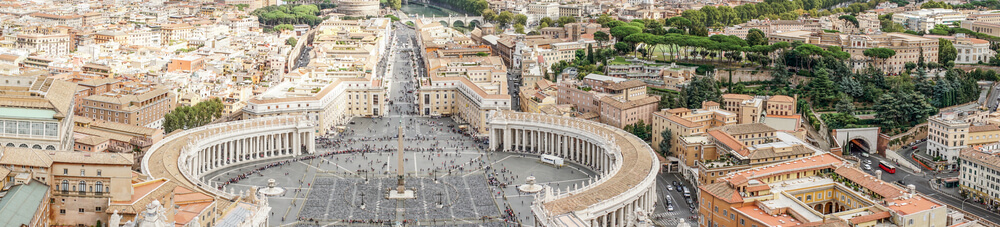
After your coffee, make your way to the Vatican. Seeing St Peter’s Square for the first time is a genuinely breathtaking moment. Bernini’s sweeping colonnade wraps around you like an embrace and the sheer scale of the Basilica ahead is difficult to take in all at once. Step inside and allow yourself a few quiet minutes to absorb it. You will be blown away by the scale, the gilding, the marble and most spectacularly the light. If you’re feeling energetic, climb to the top of the dome for one of the most extraordinary views in all of Italy. The earlier you arrive, the better – queues build quickly and the morning light across the city is something special. Book skip the line tickets in advance and don’t waste a minute of your 24 hours in Rome in a queue.
Just a short walk from the Vatican, the Castel Sant’Angelo makes for a great second stop. Originally built as a mausoleum for Emperor Hadrian, it later became a fortress and papal refuge. Walk across the Ponte Sant’Angelo, lined with Bernini’s elegant angel sculptures and pause to look back at the castle rising above the Tiber. This is one of Rome’s great views and one that never gets old.
By mid-morning, cross the river and head into the heart of ancient Rome. The Pantheon is one of the most remarkable buildings in the world and the fact that it has stood largely intact for nearly two thousand years makes standing beneath its perfect dome all the more extraordinary. The oculus (the circular opening at the very top) floods the interior with natural light and on a clear morning, the effect is almost otherworldly. Book your entry ticket in advance. Visits are now timed and queues without a ticket can be significant.
From the Pantheon, it’s a short and very pleasant walk to Piazza Navona. This is one of Rome’s most beautiful squares. It’s almost theatrical and lined with cafes and baroque fountains. Bernini’s Fountain of the Four Rivers dominates the centre and is worth a good look before you move on. Resist the temptation to sit down for lunch here though, as the restaurants on the piazza itself tend to be overpriced. Instead, wander into the narrow streets behind the square where you’ll find smaller, better value trattorias serving honest Roman cooking.
After lunch, make your way to the Campo de’ Fiori. By day this is a lively market square and in the afternoon it transitions into one of Rome’s most sociable spots. From here, continue on foot towards the Jewish Ghetto, one of Rome’s oldest and most interesting neighbourhoods. This is a wonderful area to simply walk through, taking in the ancient ruins, the pretty piazzas and the bakeries selling torta di ricotta and other Jewish-Roman pastries that you won’t find anywhere else in the city.
As the afternoon light begins to soften, make the short journey to the Colosseum. Even if you’ve seen it in photographs a hundred times, nothing quite prepares you for the moment it comes into view. It is immense. Again, booking tickets in advance is essential, the queues for walk-up visitors can swallow a large part of your afternoon and that would be a genuine shame with just 24 hours in Rome. Afterwards, take a walk around the Roman Forum. The sense of history here is extraordinary and as the day visitors thin out, the atmosphere becomes genuinely moving.
As evening approaches, it’s time for aperitivo. Head to Trastevere, a short walk or taxi ride across the river and find a table outside one of its many characterful bars. Order a Negroni or an Aperol Spritz, settle in and watch the neighbourhood come alive around you. The light in Trastevere at this hour is magical. The ochre and terracotta buildings glow a deep amber and the narrow cobbled streets fill with the bustle of conversation and laughter.
For dinner, stay in Trastevere. This is one of Rome’s finest neighbourhoods for eating well and the trattorias here tend to be both excellent and unpretentious.
End the evening with a gentle stroll back through the city. If your route takes you past the Trevi Fountain, all the better. At night, lit up and (relatively) free of the daytime crowds, it is genuinely spectacular. Toss your coin in, make your wish.
48 Hours in Rome
Spending two days in Rome is enough time to take in the headline sights but still not quite enough time to truly absorb the extraordinary depth of this city. We recommend following the above itinerary for spending 24 hours in Rome, but with double the time you will be able to enjoy each stop at a more leisurely pace. Take time to linger a little longer in the Pantheon, take a slower walk through the Forum and sit down properly for that aperitivo in Trastevere rather than perching at the bar.
Alternatively, if your prefer to pack in even more sights, then follow our whistle-stop itinerary above on day one and then, on your second day, begin with a visit to the Borghese Gallery. This is, in our opinion, one of the finest art galleries in Italy and yet it remains far less crowded than its counterparts in Florence or Venice. Housed in a beautiful villa at the edge of the Villa Borghese gardens, the collection includes extraordinary sculptures by Bernini, including his breathtaking Apollo and Daphne, alongside paintings by Caravaggio, Raphael and Titian. Tickets must be booked well in advance as visitor numbers are strictly limited, but this is precisely what keeps the experience so special. Arriving to find the gallery quiet enough to stand in front of a Caravaggio undisturbed is a genuine privilege.
From the gallery, take a walk through the Villa Borghese gardens themselves. This large, leafy park sits above the city and offers a wonderfully calm contrast to the busy streets below. Stroll down through the gardens to the Pincian Hill terrace for sweeping views across Rome’s rooftops towards St Peter’s dome. This is one of the city’s most rewarding viewpoints and one that relatively few visitors make the effort to find.
In the afternoon, give yourself time to explore some of Rome’s finest piazzas at a less hurried pace. Piazza del Popolo, with its twin churches and Egyptian obelisk, is a spectacular open space that rewards those who take a moment to simply stand still and take it in. From there, wander south along the Via del Corso (Rome’s main shopping street) where you’ll find everything from flagship Italian fashion houses to more accessible high street options.
As the afternoon draws on, make your way to the Spanish Steps and from here, the Trevi Fountain is a short walk away. If you visited it in the evening on your first day, it’s worth returning now to see it in a different light – quite literally.
With 48 hours in Rome you also have the luxury of two Roman dinners. If you followed our recommendation and enjoyed a cacio e pepe or amatriciana in Trastevere on your first evening, your second night offers the perfect opportunity to explore the Testaccio neighbourhood. This is Rome’s most authentic food district. Try coda alla vaccinara (slow-braised oxtail) or rigatoni con la pajata (pasta with veal intestine) if you’re feeling adventurous, or simply settle into one of the neighbourhood’s excellent traditional trattorias and let the menu guide you. Either way, finish with a walk around the neighbourhood and a final gelato before heading back to your Rome apartment.
5 Nights in Rome
Spending five nights in Rome is almost the perfect amount of time to explore the city properly. Rather than following the above guides to spending 24 and 48 hours in Rome, we would recommend dedicating a day to each of the city’s neighbourhoods and landmark areas.
Dedicate your first day to the Vatican and Prati. Give St Peter’s Basilica and the Vatican Museums the time they deserve. The Sistine Chapel alone warrants a slow, unhurried visit rather than the frantic shuffle that a tighter itinerary demands. Afterwards, the elegant Prati neighbourhood just north of the Vatican is one of Rome’s most pleasant and least touristy areas for an evening meal. The restaurants here serve a local crowd and the quality is consistently high.
Spend your second day in ancient Rome. With more time at your disposal, you can explore the Colosseum, the Roman Forum and the Palatine Hill. These three sites together tell the story of the city’s extraordinary past and really shouldn’t be rushed. In the late afternoon, make your way up to the Aventine Hill. The Orange Garden here offers one of the finest views in Rome and the famous keyhole in the door of the Knights of Malta priory – through which St Peter’s dome appears perfectly framed – is one of those small, magical discoveries that Rome gives those travellers who take their time.
On your third day, lose yourself in the centro storico. With five nights in Rome, you have the luxury of wandering the streets around the Pantheon, Piazza Navona and the Campo de’ Fiori without feeling that you need to be somewhere else. This is the day to duck into smaller churches, browse the market stalls, sit down for a long lunch and explore the Jewish Ghetto at a genuinely leisurely pace. Santa Maria sopra Minerva, Rome’s only Gothic church, tucked just behind the Pantheon, is the kind of hidden gem that a shorter trip simply doesn’t allow time for.
Give your fourth day to Trastevere and the Janiculum Hill. Trastevere is best explored slowly and on foot, working your way through its cobbled streets and quiet piazzas in the morning before the day trippers arrive. Climb up to the Janiculum Hill for panoramic views across the entire city. This is a favourite spot with local Romans and feels refreshingly free of the crowds that gather at more obvious viewpoints. In the evening, Trastevere comes into its own. Stay for dinner and an aperitivo and experience the neighbourhood at its best.
Save your fifth day for the areas you haven’t yet fully explored. Take a trip to the Borghese Gallery or enjoy some time at the Spanish Steps and Via Condotti at a leisurely pace. Another great option is to spend a morning at one of Rome’s wonderful outdoor markets. The Porta Portese flea market on a Sunday morning is an experience in itself, sprawling along the Trastevere riverbank with everything from vintage clothing to antique prints and old Roman curiosities.
Having five nights in Rome will also allow you to enjoy at least one organised activity or experience beyond the standard sightseeing. Our go to recommendation is always a Roman cooking class. Learning to make fresh pasta, cacio e pepe or a classic tiramisù with a local chef is both entertaining and rewarding not least because you get to eat everything afterwards! If you’re travelling with teenagers, a twilight tour of the Colosseum is a great thrilling alternative, or consider a guided street food tour of Testaccio – an excellent way to understand Rome’s culinary traditions while in turn eating extremely well. Both activities are best enjoyed with a knowledgeable local guide who can bring the stories behind the food and the neighbourhood to life. Discover what’s on offer here.
With five nights in Rome, we always recommend staying in a Rome apartment rather than a hotel. This will give you far more space to settle into Roman life and a much more authentic experience of the city.
A Week in Rome
Spending a week in Rome is a real privilege. While it can be tempting to rush around a city so loaded with iconic landmarks, we must insist that you resist that urge entirely. Rome isn’t designed to be rushed. As the former capital of the ancient world and the city that has shaped Western civilisation, art and religion more profoundly than perhaps any other, it would be almost disrespectful to dash around ticking off the sights. And with a week in Rome, there really is no need.
Seven days is enough time to explore each of Rome’s remarkable neighbourhoods at a genuinely leisurely pace and much like the five day itinerary above, it also allows time to enjoy at least one or two activities or experiences beyond the standard sightseeing. To name just a few: a cooking class, a twilight tour of the Colosseum, a guided walk through the Jewish Ghetto, a street food tour of Testaccio or a morning spent at a local market. With a week in Rome you can do all of these things without feeling that any one experience is crowding out another.
The extra days also give you the opportunity to venture a little beyond the city itself. The Castelli Romani hills to the south of Rome are a wonderful half day trip. Discover a landscape of volcanic lakes, hilltop villages and vineyards producing the crisp white Frascati wine that has accompanied Roman lunches for centuries. Tivoli, just east of the city, is home to two remarkable UNESCO World Heritage Sites: the Renaissance Villa d’Este with its extraordinary terraced gardens and fountains, and the ancient ruins of Hadrian’s Villa, the vast country retreat built by the Emperor Hadrian in the second century AD. Either makes a great day out of the city and both are easily reached by public transport or private transfer.
Again, we strongly recommend booking a Rome apartment for a week rather than a hotel. Seven days is exactly the right amount of time to settle properly into Roman life. Find your favourite bar for a morning espresso and get to know the rhythms of your neighbourhood. With the luxury of a kitchen, we always advise our guests to visit the Mercato di Testaccio or the Campo de’ Fiori market at least once and to cook with locally sourced ingredients. The stallholders are knowledgeable, generous with their advice and genuinely delighted when visitors show an interest in cooking with what they sell. Pick up some guanciale, a wedge of aged Pecorino Romano and some fresh pasta to attempt a cacio e pepe of your own. While it’s harder than it looks, we think it’s enormously enjoyable to make (and quite possibly the most satisfying meal you’ll eat all week).
A Month in Rome
The prospect of spending a month in Rome is a dreamy prospect. And it really can feel like a dream come true to have an entire month in which to explore one of the greatest cities in the world on an unhurried schedule.
Beyond the headline museums, galleries and ancient sites, we would strongly recommend finding an activity or course that helps you truly immerse yourself in Roman life. A multi-day cooking course focused on traditional Roman and Lazio cuisine is an enormously rewarding way to spend a few days. This way you’ll learn not just recipes but the stories, the seasons and the philosophy behind the food. An Italian language course is another good option. Even a basic grasp of the language transforms the experience of living in Rome – opening up conversations with shopkeepers, market stallholders and neighbours that would otherwise remain out of reach.
With a month in Rome there is also ample time to leave the city for day trips and longer excursions into the surrounding Lazio region and beyond. The volcanic lakes and hilltop towns of the Castelli Romani, the ancient ruins of Ostia Antica, the Renaissance gardens of Tivoli and the wild, largely undiscovered coastline of the Lazio shore are all within easy reach. And with a month at your disposal, you might also consider a few nights in Naples, the Amalfi Coast or Umbria. These regions feel like a world away from Rome but are remarkably easy to reach by train.
When it comes to accommodation for a month in Rome, a self-catering Rome apartment is without question the best option. It will give you the space, the flexibility and the sense of belonging that a hotel simply cannot offer for an extended stay. Waking up each morning as a temporary Roman, with a favourite bar, a trusted greengrocer and a preferred evening passeggiata route, is one of life’s genuine pleasures. Discover all of our Rome apartments.
Rome holidays for...
A holiday in Rome can mean so many different things. It’s a wonderfully diverse city and can offer so much more than just the big sights. So here are some ideas for all types of travellers in Rome.
For Couples
Rome is one of Italy’s most romantic destinations and we would argue one of the most romantic cities in the world. It may be famous for ancient ruins and grand piazzas but beyond the history books and the guided tours, Rome has a warmth and an intimacy that is almost impossible to resist. Wander hand in hand through the cobbled streets of Trastevere as the evening light turns the ochre buildings a deep, burnished gold, or find a quiet corner of the Pincian Hill terrace as the sun begins to set over St Peter’s dome. Toss a coin together into the Trevi Fountain – the tradition holds that it guarantees a return to Rome, which strikes us as a very good reason to believe in it.
For Families
We think Rome is a wonderful destination for families. While it’s known for ancient ruins and grand imperial history, Rome is surprisingly manageable with children. The city is full of open piazzas where little legs can stretch and younger travellers can run freely while parents pause for a well earned espresso. The sheer spectacle of Rome does a great deal of the hard work for you. Even children who claim not to love history tend to find themselves completely captivated by a city where gladiators once fought, emperors ruled and the stories are quite literally written in stone.
If you have older children with energy to burn, a visit to the Colosseum is an absolute must. Few buildings on earth fire the imagination quite like it and a good local guide can bring the drama of the arena to life in a way that even the most reluctant young sightseers find genuinely gripping. The twilight tours of the Colosseum are particularly atmospheric and a real treat for teenagers.
For younger children, the endless coins and splashing water of the Trevi Fountain never fails to delight, and the vast open space of the Piazza Navona, with its street artists, performers and year round festive atmosphere is one of those places where families can simply settle in and let the city entertain them. Rome often feels like the world’s greatest open air theatre and that, as any travelling parent knows, is worth its weight in gold.
Solo Travellers
We think Rome is one of Italy’s best destinations for solo travellers. Full of history and atmosphere, yet surprisingly easy to navigate on foot, it’s a city where you can fill every hour with ancient ruins, baroque churches and world class art, or simply wander without a plan and stumble upon something extraordinary around every corner. Rome feels safe, vibrant and endlessly absorbing, allowing you to move entirely at your own pace.
If you’re feeling sociable, there is plenty to get involved with as a solo traveller in Rome. Cooking classes, street food tours, wine tastings and guided walks through the city’s ancient neighbourhoods are all wonderful ways to meet fellow travellers while simultaneously getting under the skin of the city. Rome’s relaxed bar culture also makes it one of the easier Italian cities to strike up a conversation. Pull up a stool at a neighbourhood enoteca, order a glass of something local and let the evening take care of itself.
For Groups
Travelling to Rome with a group of friends or as an extended family is great fun. In a city which offers such diverse experiences, there is something for everyone to enjoy. Remember to contact us to help you find the best accommodation in Rome. Many of our Rome apartments are in buildings where we can make multiple bookings – giving you the perfect balance of shared living but with a little privacy too.